


The monthly budget of 2005 looks almost quaint compared to the financial demands of 2026—not because of inflation making old expenses more costly, but because entirely new categories of spending have emerged and become non-negotiable. These aren’t luxuries that people could easily eliminate; they’re expenses that modern life effectively requires, that employers and society assume you’re paying, and that opting out of creates genuine disadvantage. The financial pressure families feel isn’t imaginary—the baseline cost of participating in normal middle-class life has expanded dramatically through new mandatory expenses that didn’t exist a generation ago.
1. Streaming Service Subscriptions

In 2005, you paid for cable or you didn’t watch TV—that was the only screen entertainment expense. Today, a household maintaining Netflix, Disney+, Hulu, Max, Amazon Prime, Apple TV+, and Paramount+ easily spends $80 to $120 monthly on streaming services that have replaced cable but cost nearly as much collectively. The promise that streaming would be cheaper than cable has failed as content fragmentation means you need multiple services to watch what you want, and individual services keep raising prices knowing people are locked into the content.
The assumption that you’d just subscribe to one or two services and be satisfied proves unrealistic when every network pulls content to their own platform, requiring separate subscriptions. Family members want different content across platforms, sports require separate subscriptions, and trying to rotate services to save money becomes exhausting. The streaming expenses that seemed optional have become as mandatory as electricity, and households find themselves spending more on fractured streaming services than they ever spent on comprehensive cable packages.
2. Smartphone Monthly Plans
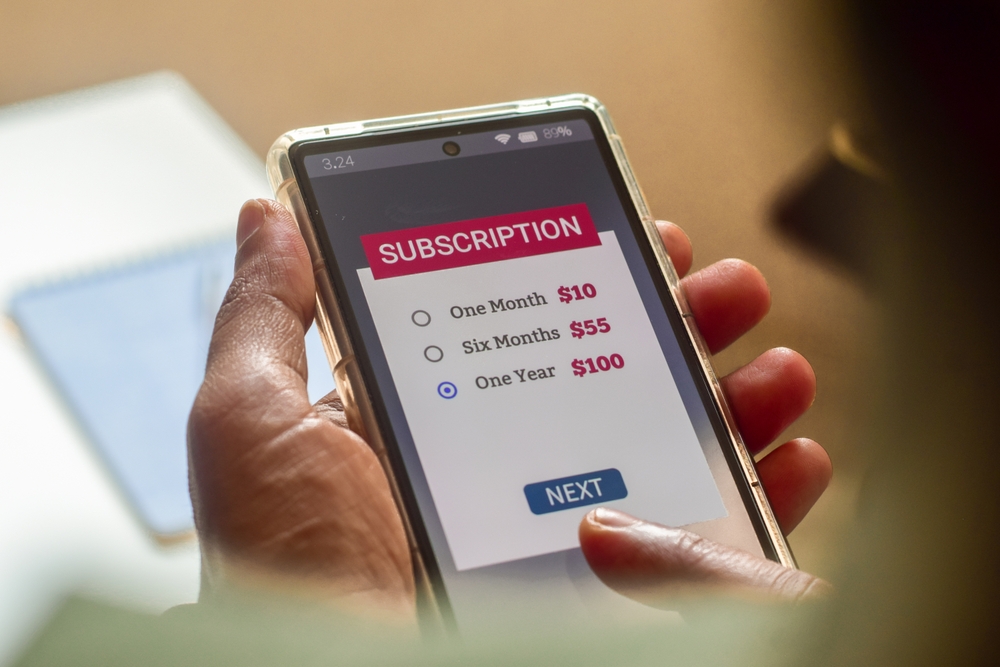
Twenty years ago, cell phones existed but were simple devices with basic plans costing $30 to $50 monthly for the whole family. Today, smartphone plans for a family of four run $150 to $250 monthly, with unlimited data requirements because modern life demands constant connectivity. The smartphones themselves require $30 to $50 monthly device payments on top of service costs, and upgrading every two to three years has become necessary as apps and services stop supporting older devices.
The expense isn’t just the service—it’s the ecosystem of accessories, screen protectors, cases, and AppleCare or insurance adding another $20 to $40 monthly per device. The assumption that phones would remain optional communication tools has failed as they’ve become essential for banking, work communication, school requirements, and daily life coordination. Opting out of smartphone costs means opting out of functional participation in modern society, making this a mandatory expense that didn’t exist in 2005.
3. Cloud Storage Subscriptions

In 2005, you saved files on your computer’s hard drive or burned them to CDs—storage was free beyond the hardware you already owned. Today, photos, documents, and files automatically sync to cloud services that charge monthly fees once you exceed minimal free storage. iCloud, Google Drive, Dropbox, and OneDrive charge $2 to $20 monthly depending on storage needs, and families accumulating years of photos and videos find themselves paying for multiple accounts as free tiers fill instantly.
The expense seems small individually, but becomes mandatory because running out of storage means phones stop backing up photos, work files become inaccessible, and years of memories risk being lost. The architecture of modern devices assumes cloud storage, making it effectively non-optional despite technically being a subscription choice. What was free through local storage has become a recurring monthly expense that grows over time as storage needs increase, with no option to return to the free local storage model of the past.
4. Identity Theft Protection Services

Identity theft wasn’t a widespread concern in 2005, and credit monitoring services were products few people needed or considered. Today, LifeLock, Credit Karma Premium, or similar services costing $10 to $30 monthly feel necessary after constant data breaches exposing personal information. The assumption that companies would protect customer data has failed so completely that individuals now pay monthly fees to monitor for fraud resulting from corporate security failures they didn’t cause and can’t prevent.
The expense is essentially extortion—paying to monitor for problems created by corporate negligence and criminal activity beyond your control. But opting out means potentially discovering fraud months after it occurs, making costly recovery more difficult. The peace of mind and early detection that monitoring provides has become worth the monthly cost, creating a new expense category that exists purely because institutions cannot or will not protect the data they collect from us.
5. Software Subscription Models

In 2005, you bought software once—Microsoft Office for $300, Photoshop for $600—and used it indefinitely. Today, Microsoft 365 costs $10 monthly, Adobe Creative Cloud costs $55 monthly, and countless other programs have moved to subscription models totaling $50 to $150 monthly for software that was previously one-time purchases. The shift from ownership to rental means you’re perpetually paying for software you’ll use for decades, spending far more over time than purchase prices ever cost.
The subscriptions aren’t optional because files created in new versions won’t open in old purchased software, and security updates stop for purchased versions, making them unusable. Software companies deliberately abandoned one-time purchases because subscriptions generate perpetual revenue, and consumers have no choice but to pay. The monthly software expenses that didn’t exist in 2005 now consume significant portions of household budgets, and the total lifetime cost far exceeds what software ownership ever required.
6. Home Security System Monitoring
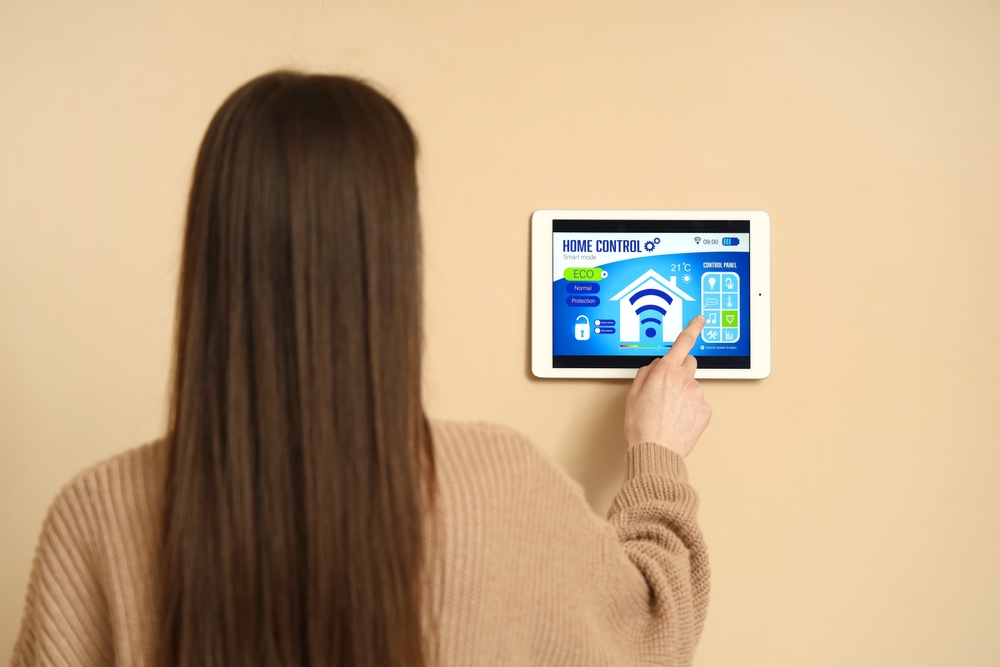
In 2005, home security meant locks and maybe a standalone alarm system—monitoring services existed but weren’t common for regular households. Today, Ring, Nest, SimpliSafe, and ADT monitoring services cost $15 to $60 monthly, and doorbell cameras, motion sensors, and 24/7 monitoring have become standard expectations for home security. The proliferation of package theft and the ease of installation has made these systems feel necessary, creating recurring monthly expenses where one-time hardware purchases used to suffice.
The monitoring fees provide cloud storage for footage, professional monitoring, and connectivity that make the hardware useful, but they convert security from a one-time investment to a perpetual expense. The assumption that buying security equipment would be sufficient fails because the equipment needs connected services to function properly. What was an optional luxury in 2005 has become a standard precaution that most homeowners feel they need, adding another $20 to $60 to monthly expenses that continue indefinitely.
7. Meal Kit and Food Delivery Service Fees

In 2005, you cooked at home, went to restaurants, or ordered delivery from limited options—food delivery apps didn’t exist. Today, DoorDash, Uber Eats, and Instacart have created new expense categories through delivery fees ($5 to $10), service fees ($3 to $8), and tipping ($5 to $10) that can add $15 to $25 to every meal ordered. The convenience that once was free—restaurant delivery—now costs significantly, and grocery delivery services charge $10 to $20 per order plus markup on items.
The expenses accumulate rapidly because the convenience of delivery makes using these services multiple times weekly easy, turning what seems like an occasional luxury into a regular expense. A family using delivery services twice weekly spends $100 to $200 monthly on fees alone before food costs. The assumption that eating out was an occasional expense has been replaced by a hybrid model where people eat at home but pay restaurant-level prices after delivery fees, tips, and markups, creating expenses that didn’t exist when you either cooked completely or went out completely.
8. Subscription Boxes for Everything

In 2005, you bought things when you needed them—subscription boxes didn’t exist as a product category. Today, there are subscriptions for razors ($10 monthly), coffee ($20 monthly), pet supplies ($30 monthly), vitamins ($40 monthly), and countless other categories that turn one-time purchases into recurring charges. The convenience of automatic delivery has created business models where companies profit from perpetual billing for items you’d previously buy as needed.
The subscriptions seem cheaper than retail per-unit costs, but they create committed spending whether you need the items that month or not. Boxes accumulate unused because delivery doesn’t match actual consumption, and forgetting to cancel subscriptions means paying for items you’re not using. The subscription model has expanded into categories where it makes no sense except to benefit companies with predictable recurring revenue, and consumers now pay monthly for toilet paper, toothbrushes, and socks in ways that previous generations would find baffling.
9. Premium Email and Productivity App Subscriptions

In 2005, email was free through providers like Gmail, Yahoo, and Hotmail, and basic productivity tools came free with computers. Today, premium email services, advanced calendar apps, task managers, and note-taking apps charge $5 to $15 monthly each. Notion, Todoist Premium, Fantastical, Superhuman, and similar services have convinced users that basic functionality requires paid subscriptions, creating expenses for digital tools that used to be free.
The free versions exist but are deliberately limited to push users toward paid tiers, and the paid features—often just removing arbitrary restrictions on free versions—become necessary for professional use. The monthly fees for productivity software add up to $30 to $80 when using multiple tools, all for functionality that was free or included with devices two decades ago. The assumption that basic digital tools would remain free has failed as companies discovered subscription revenue from limiting free features.
10. Fitness App and Equipment Subscriptions

In 2005, you bought exercise equipment or paid gym memberships—that was the extent of fitness costs. Today, Peloton, Apple Fitness+, Tonal, and Mirror charge $12 to $44 monthly for content subscriptions that make the expensive hardware you already purchased functional. The $2,000 to $4,000 equipment purchase is just the beginning, followed by indefinite monthly fees to access classes and features that should have been included.
The model is deliberately predatory—expensive hardware that’s useless without subscriptions creates locked-in customers who must pay monthly fees indefinitely or have expensive equipment that doesn’t work. The assumption that buying exercise equipment would be a one-time investment has been replaced by a model where you’re perpetually paying for content to use equipment you’ve already bought. The monthly fitness subscriptions that didn’t exist in 2005 now add $15 to $50 to household expenses, on top of gym memberships people often maintain simultaneously.
11. Car Software Features and Connectivity

In 2005, you bought a car and all features were included—heated seats worked, navigation was included, and nothing required subscription fees. Today, BMW charges $18 monthly for heated seats, Tesla charges $10 monthly for connectivity features, and many manufacturers charge $15 to $25 monthly for remote start, navigation updates, or advanced driver assistance features. The car you own contains features that are disabled unless you pay ongoing fees, turning vehicles into subscription platforms.
The assumption that buying a car meant owning all its features has failed as manufacturers discovered perpetual revenue through subscription models for hardware already installed in vehicles. The monthly fees for features that used to be one-time upgrade costs create new expenses that continue throughout vehicle ownership. What was absurd five years ago—paying monthly fees to use features your car physically contains—has become normalized, adding $10 to $50 monthly to vehicle ownership costs beyond loan payments, insurance, and maintenance.
12. Professional Networking and Job Search Platform Fees

In 2005, networking and job searching were free activities—you met people at events and responded to job postings. Today, LinkedIn Premium costs $30 to $60 monthly for features necessary to compete in job markets, and specialized industry platforms charge similar amounts for access to opportunities and networking. The assumption that professional advancement tools would remain free has failed as platforms realized they could charge for visibility and access that used to be standard features.
The free versions of networking platforms are deliberately hobbled to push users toward paid tiers, and competing without premium features puts job seekers at a disadvantage. The message limits, invisibility in searches, and lack of analytics on free tiers make premium memberships effectively necessary for serious job searching or career advancement. What was free professional networking has become a monthly expense category that professionals feel forced to maintain to remain competitive in their fields.
13. Educational Platform Subscriptions for Children

In 2005, children’s educational resources were libraries, schools, and occasionally purchased software—free or one-time costs. Today, ABCmouse, Khan Academy Kids, Epic, and countless learning platforms charge $10 to $20 monthly per child, and schools increasingly expect children to use these platforms at home. The shift from free public resources to paid private platforms has created new mandatory expenses for parents trying to ensure children aren’t disadvantaged.
The educational subscriptions feel necessary because schools assign work through them, other children use them, and parents fear their children falling behind without access. The per-child costs accumulate quickly in families with multiple kids, easily reaching $50 to $100 monthly for educational platforms that supplement rather than replace school. The assumption that public education was publicly funded has eroded as essential educational tools moved to private platforms requiring subscriptions, creating new expenses that previous generations didn’t face.
14. Pet Tech and Monitoring Subscriptions

In 2005, pet ownership meant buying food, paying vet bills, and maybe boarding costs when traveling—that was it. Today, Furbo cameras ($7 monthly), Fi GPS collars ($10 monthly), automatic feeders with app control ($8 monthly), and pet health monitoring services charge ongoing fees. The anxiety around pet safety and wellbeing has spawned subscription services that didn’t exist, turning pet ownership into a source of recurring digital expenses beyond traditional care costs.
The services seem frivolous until your dog escapes and the GPS collar helps you find them, or the camera lets you check on anxious pets while at work. The peace of mind these subscriptions provide makes them feel necessary rather than optional, creating new pet-related expenses that accumulate to $30 to $60 monthly. The assumption that pet costs were limited to food and vet care has failed as technology created new expense categories that guilt and anxiety make difficult to refuse.
15. Smart Home Device Subscriptions

In 2005, home devices worked without subscriptions—thermostats controlled temperature, doorbells rang, and lights turned on without apps or fees. Today, Nest Aware ($6 monthly), Ring Protect ($10 monthly), and various smart home platform subscriptions charge for features that make expensive devices fully functional. The hardware costs $100 to $300 per device, then requires subscriptions for video history, advanced features, or cloud integration.
The architecture of smart home devices deliberately limits functionality without subscriptions, making the hardware purchase just the entry fee for ongoing monthly payments. The convenience of smart home control becomes expensive when every device manufacturer charges separate subscription fees, easily totaling $40 to $80 monthly across security, climate, lighting, and other systems. What was one-time hardware purchases in 2005 has become perpetual subscription expenses as manufacturers learned they could generate ongoing revenue by holding features hostage.
16. Digital News and Magazine Subscriptions

In 2005, news was free online, and magazines cost $4 at the checkout line if you wanted them—discrete, optional purchases. Today, paywalls block most quality journalism, and households maintaining subscriptions to The New York Times ($17 monthly), Washington Post ($12 monthly), local newspapers ($10 monthly), and specialty publications easily spend $60 to $120 monthly. The assumption that news would remain freely accessible has completely failed as publications moved behind paywalls, creating new mandatory expenses for staying informed.
The fragmentation means you need multiple subscriptions to access different publications, and bundling services only partially solve the problem. The free journalism that supported informed citizenship has been replaced by a model where staying properly informed requires significant monthly expenses. What was free access to information has become a subscription economy where quality news requires paying multiple outlets, creating expenses for staying informed that previous generations never faced.
This article is for informational purposes only and should not be construed as financial advice. Consult a financial professional before making investment or other financial decisions. The author and publisher make no warranties of any kind.