


Certain retirement destinations look perfect on paper—low taxes, warm weather, affordable housing, active retiree communities—yet thousands of Americans relocate there only to move away again within five years, disappointed and financially worse off. The fantasy sold in retirement magazines and promoted by real estate developers crashes against harsh realities that only become apparent after you’ve already uprooted your life and bought property. These destinations share common traits: aggressive marketing to retirees, significant drawbacks that aren’t obvious during vacation visits, and patterns of boomerang migration as disillusioned retirees either return home or move elsewhere.
1. The Villages, Florida – The Bubble That Wears Thin
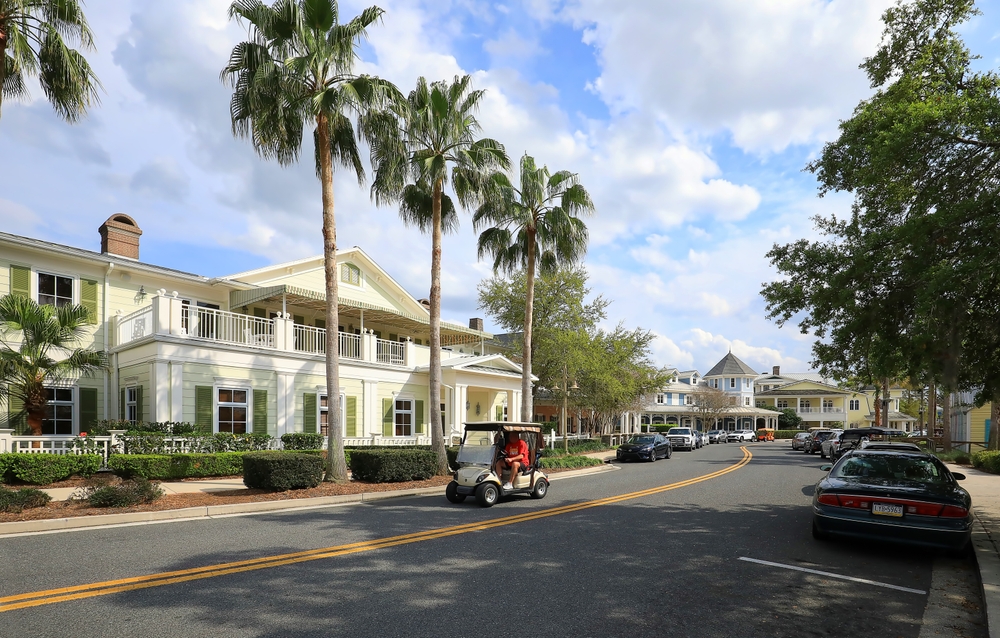
The Villages markets itself as an active adult paradise with endless activities, new friends, and perpetual sunshine, attracting thousands of retirees annually to its sprawling development. The initial excitement of golf cart living, countless clubs, and constant social activities creates a honeymoon period that masks underlying issues. Within a few years, many residents feel trapped in an artificial bubble disconnected from real communities, exhausted by the relentless social calendar, and disturbed by the mono-generational environment devoid of children, young families, or economic diversity.
The sameness becomes suffocating—every neighborhood looks identical, conversations revolve around golf and medical appointments, and the manufactured nature of the community feels increasingly hollow. Healthcare becomes a major issue as the area’s medical infrastructure struggles to serve the massive elderly population, creating long waits for specialists and procedures. Many retirees discover they miss their former communities, proximity to adult children and grandchildren, and the diversity of real towns with mixed generations and economic vitality.
2. Panama City Beach, Florida – Spring Break Central With Hurricanes
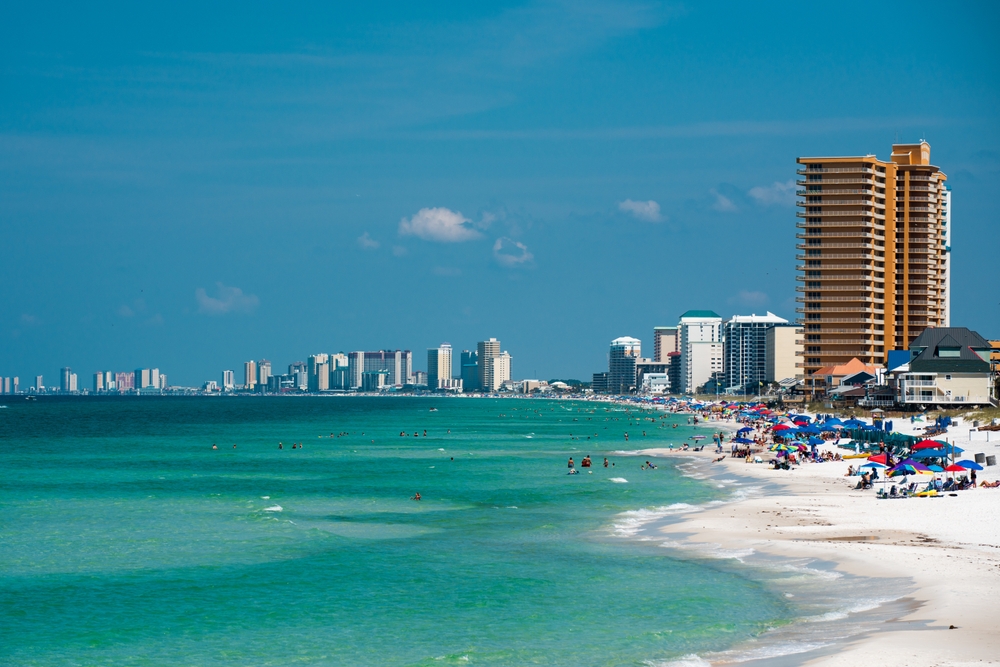
Panama City Beach attracts retirees with beautiful white sand beaches and lower costs than other Florida Gulf Coast destinations, but the reality includes months of spring break chaos, constant hurricane threats, and limited cultural amenities. The seasonal transformation from quiet beach town to party destination makes large portions of the year unpleasant for retirees who find themselves navigating crowds of drunk college students and traffic gridlock. Hurricane Michael’s 2018 devastation reminded retirees that this area sits in a hurricane bullseye.
The lack of quality healthcare becomes apparent when serious medical issues arise—the nearest major medical centers are hours away, and local facilities lack specialists and advanced care options. Cultural amenities are limited to chain restaurants and tourist attractions rather than the museums, theater, and dining that many retirees assumed would be available. The oppressive summer heat and humidity make outdoor activities impossible for months, contradicting the active lifestyle vision that brought people there.
3. Las Vegas, Nevada – Desert Heat and Superficial Connections
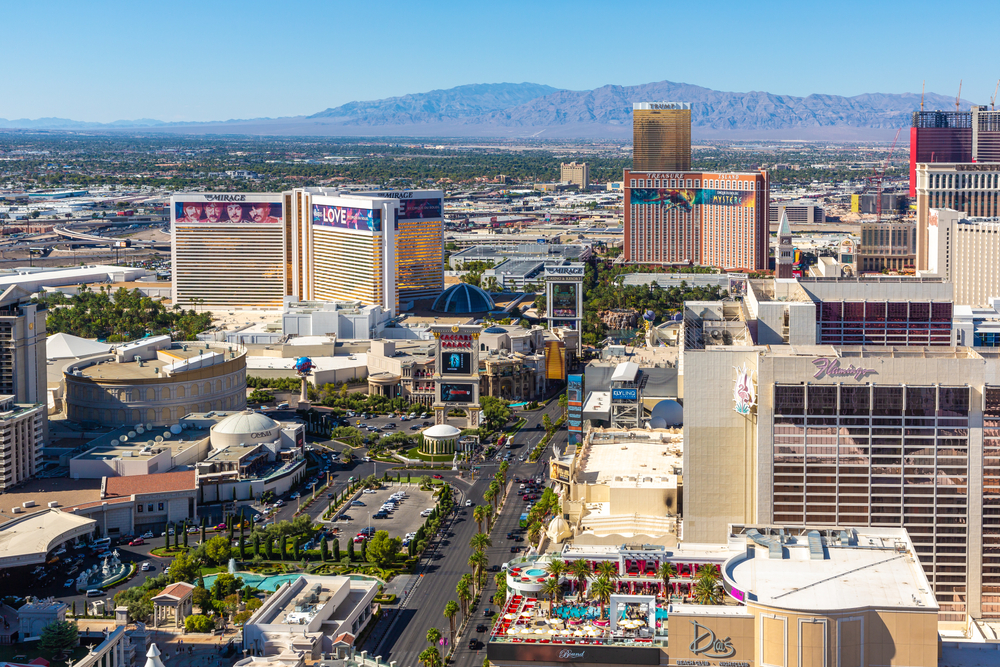
Las Vegas attracts retirees with no state income tax, relatively affordable housing, and proximity to outdoor recreation, but the reality of 115-degree summers and a transient population creates isolation. The entertainment and dining that seem exciting during visits become expensive and overwhelming as daily life, and the city’s 24-hour, tourist-focused nature makes finding an authentic community difficult. Many retirees discover they’re surrounded by service workers, tourists, and other transplants with no roots, making deep friendships nearly impossible.
The extreme heat confines residents indoors 4-5 months annually, and the desert environment feels increasingly hostile as retirees age and heat tolerance declines. Water scarcity concerns and Colorado River restrictions create uncertainty about long-term viability, while air quality from desert dust and distant wildfires affects respiratory health. The initial novelty of living in an entertainment capital fades quickly, leaving retirees in an expensive desert city far from family with little sense of belonging.
4. Myrtle Beach, South Carolina – Tourist Trap With Limited Healthcare
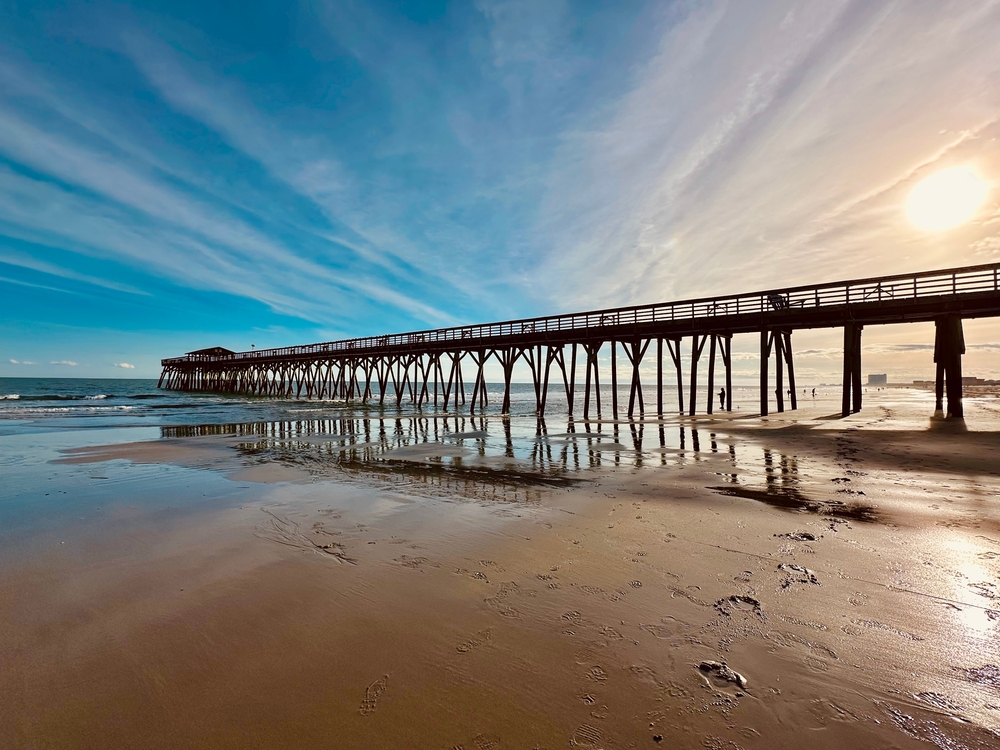
Myrtle Beach lures retirees with affordable housing, beaches, and mild winters, but the overwhelming tourist industry dominates everything and creates a town that exists to serve visitors rather than residents. Traffic is nightmarish during tourist season, restaurants and services are crowded with vacationers, and the entire economy revolves around hospitality rather than diverse industries. Many retirees feel like outsiders in a place that caters to temporary visitors.
Healthcare infrastructure is inadequate for the large retiree population, with limited specialists and major medical centers hours away in Charleston or Columbia. Hurricane risk is significant and insurance costs have skyrocketed, sometimes doubling or tripling within a few years. The culture is more honky-tonk than sophisticated, with endless mini-golf courses, seafood buffets, and tourist attractions rather than the cultural amenities many retirees expected.
5. Prescott, Arizona – The Altitude and Isolation Problem
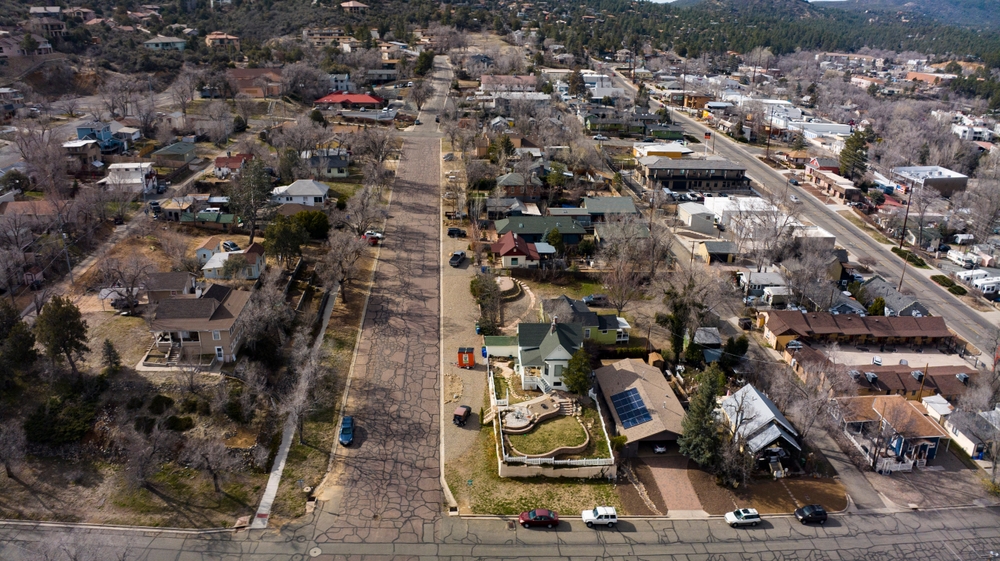
Prescott attracts retirees seeking Arizona living without Phoenix heat, and its mile-high elevation creates cooler summers that seem perfect. Within a few years, many discover the 5,000+ foot altitude causes ongoing fatigue, shortness of breath, and complications for heart conditions or respiratory issues that worsen as they age. The isolation becomes apparent—Phoenix is two hours away, making specialty healthcare and airport access inconvenient, and the small town lacks amenities and services retirees assumed would be available.
Winter isn’t the escape people expected—snow and ice are common, creating driving hazards for elderly residents, and the temperature swings from cold nights to warm days stress older bodies. The healthcare system is small-town quality, meaning serious conditions require travel to Phoenix or Flagstaff. The initial charm of small-town Arizona life gives way to feelings of remoteness, limited social options, and recognition that altitude effects don’t improve with age.
6. Hilton Head Island, South Carolina – Hurricane Alley With High Costs
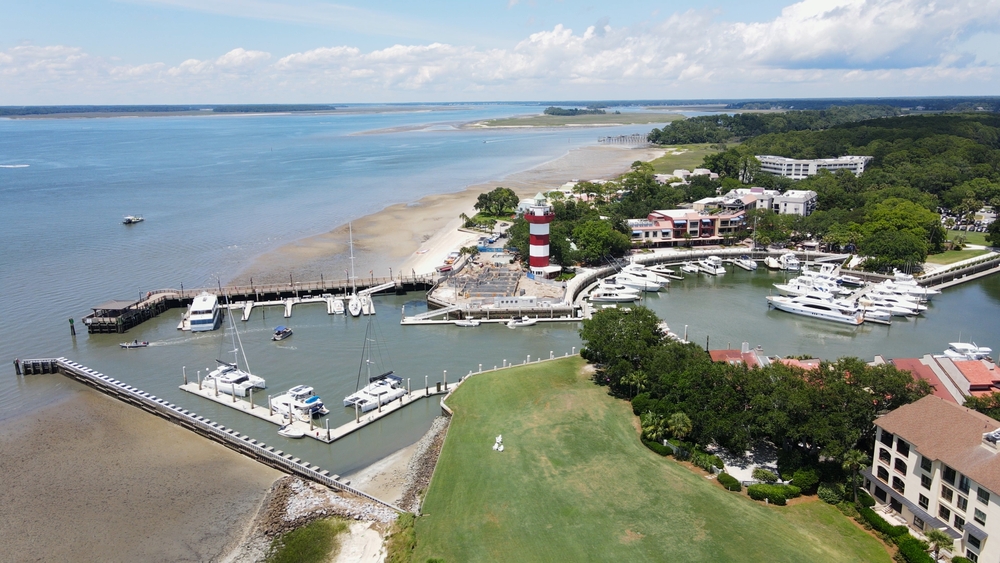
Hilton Head’s beautiful beaches, golf courses, and resort atmosphere attract affluent retirees, but the island’s susceptibility to hurricanes, mandatory evacuations, and skyrocketing insurance costs drive many away. The 2024 hurricane season reminded residents that island life means potential property destruction and months of cleanup, and insurance now costs $5,000-$10,000+ annually for homes in flood zones. Mandatory evacuation creates anxiety and logistical nightmares for elderly residents.
The cost of living proves far higher than anticipated—property taxes, HOA fees, and the tourist-driven economy make everything expensive despite South Carolina’s reputation for affordability. The island feels isolated and small after the novelty wears off, with limited cultural activities and an economy entirely focused on tourism and golf. Healthcare requires driving to mainland facilities, and the bridge off the island becomes a source of stress during emergencies or when traffic creates hour-long backups.
7. St. George, Utah – Religious Culture Clash and Extreme Growth
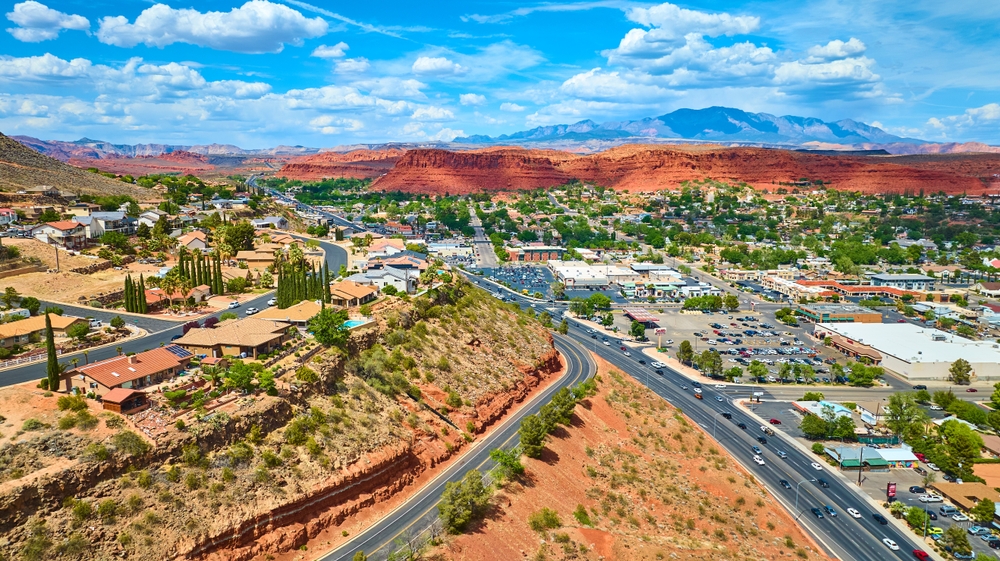
St. George attracts retirees with stunning red rock scenery, outdoor recreation, proximity to national parks, and low taxes, but the dominant LDS culture creates uncomfortable dynamics for non-Mormon residents. Many retirees feel like permanent outsiders in a community where religion shapes everything from business relationships to social opportunities. The explosive growth has created infrastructure problems—traffic, overcrowding at parks and recreation areas, and construction everywhere.
Summer temperatures regularly exceed 110 degrees, contradicting the image of mild Southern Utah weather, and the heat has intensified with climate change. Healthcare facilities are improving, but still limited for the growing population, and the conservative political culture feels stifling to retirees from more liberal areas. Water scarcity concerns mount as growth continues in an arid region, and the character that initially attracted people is being destroyed by rapid development.
8. Sequim, Washington – The Gray Depression Factory
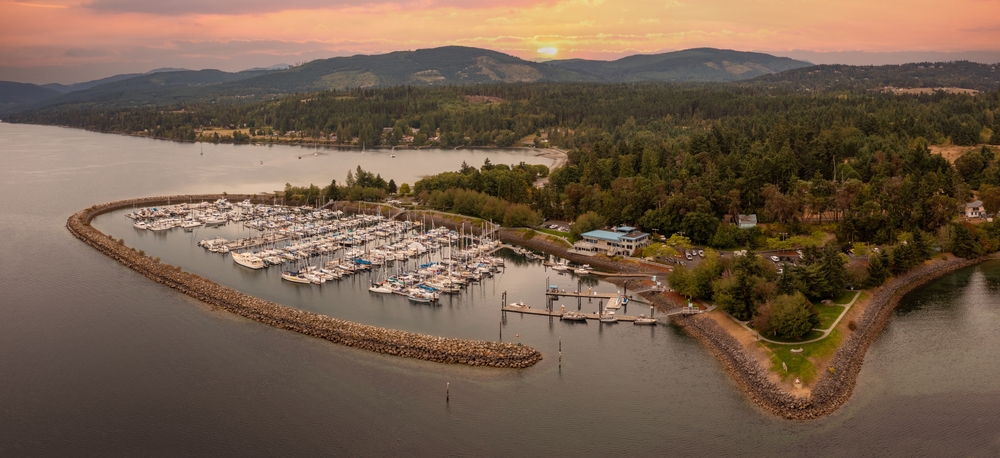
Sequim markets itself as the “Sunny Sequim” with a rain shadow creating less precipitation than surrounding areas, attracting Pacific Northwest lovers seeking drier conditions. While Sequim gets less rain than Seattle, it’s still overcast and gray much of the year, and the lack of cultural amenities and economic vitality creates depression for many retirees. The small-town limitations become oppressive—few restaurants, minimal entertainment, and social scenes dominated by a narrow demographic.
The isolation from major cities means healthcare requires hour-plus drives to Seattle or Tacoma, and the ferry-dependent Olympic Peninsula location makes travel complicated. Housing isn’t as affordable as imagined, with California refugees and remote workers driving prices up. The dreary weather affects mental health more severely than retirees anticipated, and many discover they need more stimulation and urban amenities than tiny Sequim provides.
9. Branson, Missouri – Midwestern Tourist Trap
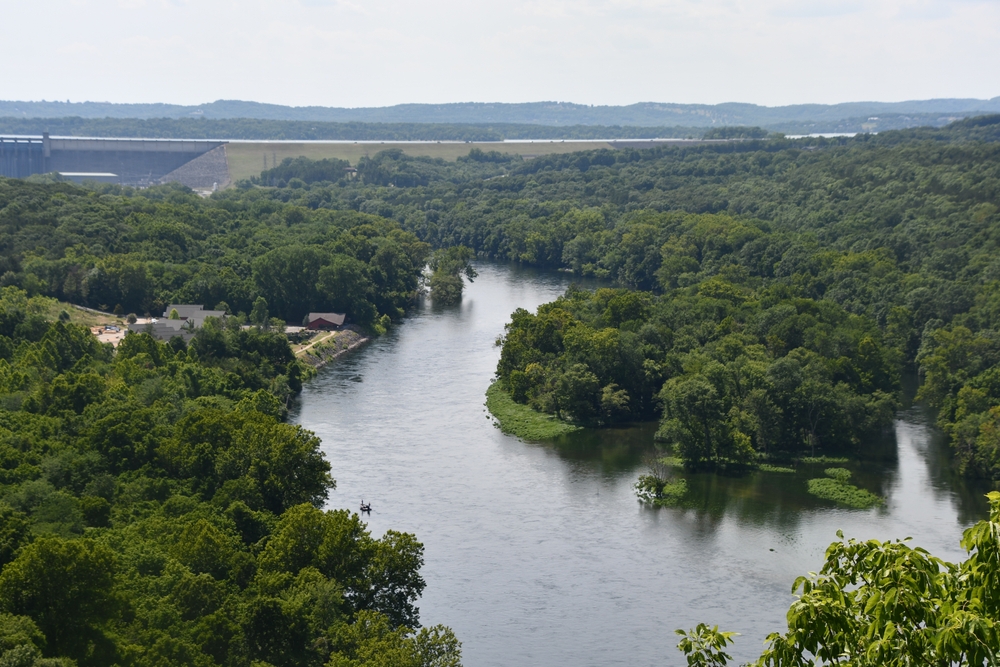
Branson attracts Midwestern retirees with country music theaters, conservative values, and Ozark Mountain beauty at affordable prices. The reality is a dated tourist town built around shows and attractions that lose their appeal after a few visits, leaving little substance for daily life. The quality of services and amenities is mediocre, the culture is limited and provincial, and the town exists for tourists rather than residents.
Healthcare is small-town quality requiring travel to Springfield or Kansas City for specialists, and the area’s economic base is entirely tourism-dependent, making it vulnerable to downturns. Summers are hot and humid, winters can be icy and isolating, and the cultural offerings beyond country music and religious programming are virtually nonexistent. Many retirees realize they moved to a place that’s fun to visit but unsatisfying to live in, with limited intellectual stimulation and cultural diversity.
10. Lake Havasu City, Arizona – Desert Island Prison
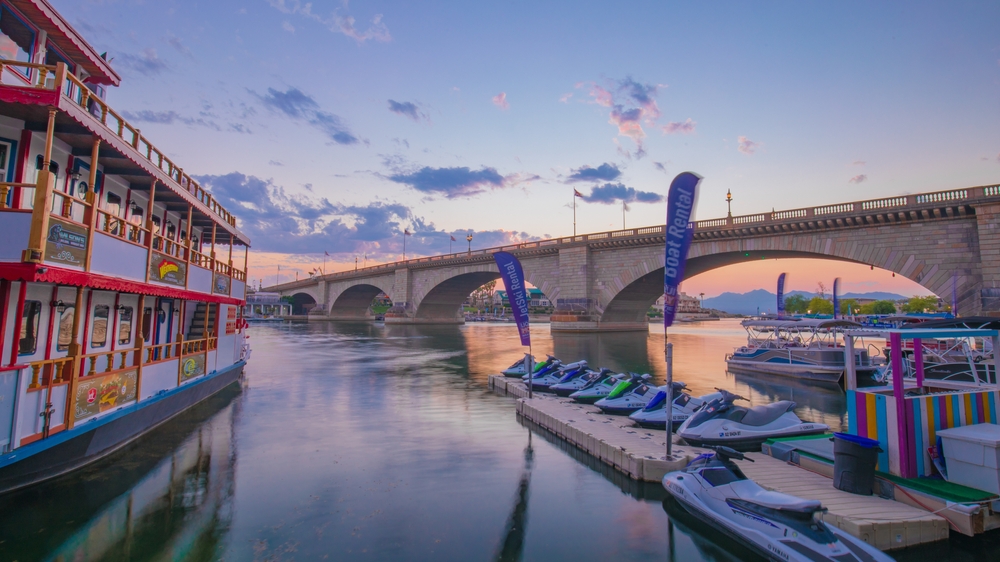
Lake Havasu attracts retirees with boating, water sports, and affordable housing in the Arizona desert. The reality is brutal heat—regularly 115-120 degrees for months—that confines residents indoors and creates dangerous conditions for elderly people. The town is isolated, sitting two hours from any major city, and feels like an island disconnected from broader society and culture.
The lake-focused lifestyle that seemed appealing proves limited once you’ve exhausted the boating and water activities, and the extreme heat makes outdoor recreation impossible half the year. Healthcare is limited and requires travel for anything serious, and the population is transient with little sense of community beyond lake activities. Many retirees feel trapped in a desert outpost that’s fun for vacations but soul-crushing as permanent residence, especially for those who can’t or don’t enjoy water sports.
11. Asheville, North Carolina – Priced Out Paradise
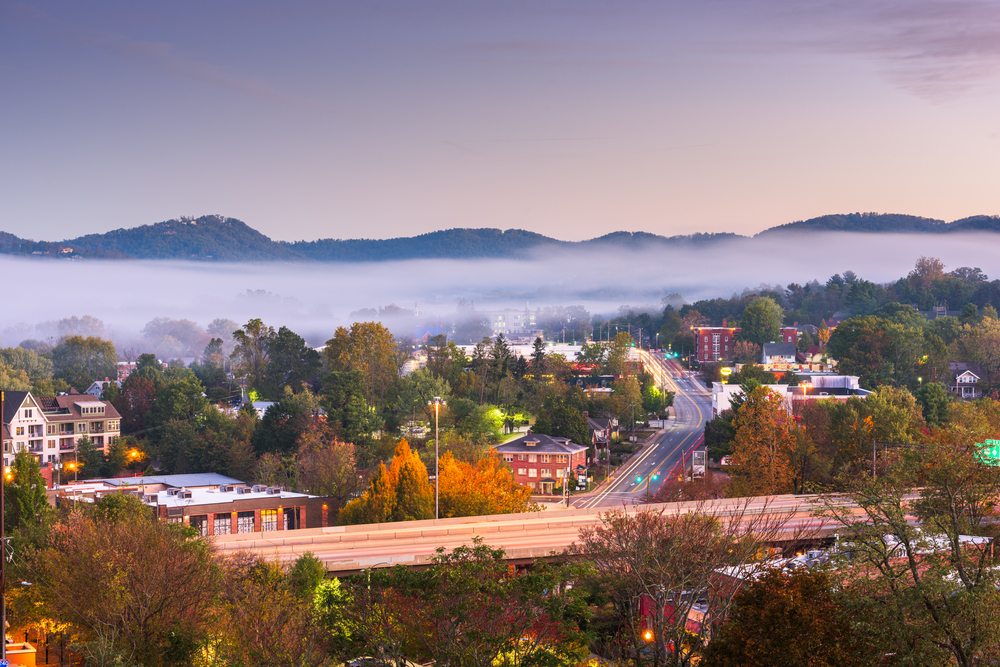
Asheville attracts retirees with mountain beauty, mild four-season climate, arts and culture, and progressive values rare in the South. Within five years, many leave because explosive growth has made it unaffordable, traffic is terrible, and the mountain town charm has been commercialized beyond recognition. Housing costs have skyrocketed to rival major cities, property taxes increase annually, and the influx of remote workers and tourists has overwhelmed infrastructure.
The healthcare system is stressed by too many retirees and limited facilities, creating long waits for appointments and procedures. The 2024 hurricane season showed that even mountain locations face climate disaster risks, with catastrophic flooding and isolation. Traffic congestion has made the area unpleasant to navigate, and the very qualities that attracted retirees—small-town charm, natural beauty, manageable size—have been destroyed by success. Many retirees discover they’ve moved to an expensive, crowded area that’s lost the character that drew them there.
12. Sedona, Arizona – Tourists, Costs, and Vortex Fatigue
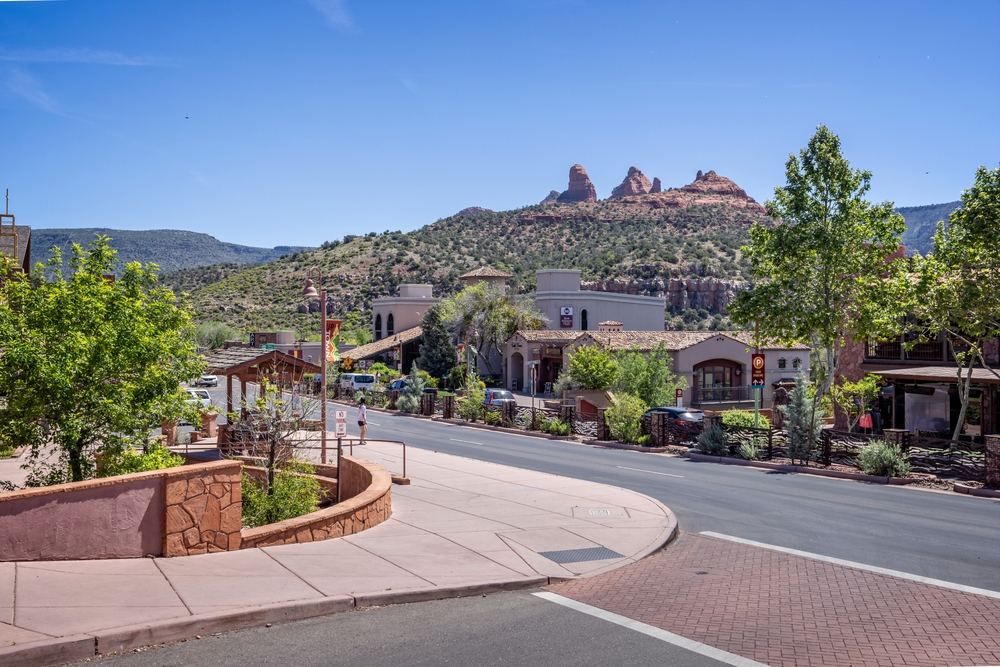
Sedona’s stunning red rocks and spiritual vibe attract retirees seeking natural beauty and New Age culture. The overwhelming tourist presence makes residents feel like they’re living in a theme park, and costs are astronomical despite Arizona’s reputation for affordability. A modest home costs $600,000-$1,000,000+, and every amenity is priced for wealthy tourists rather than residents on fixed incomes.
The New Age culture that seemed charming becomes irritating—constant talk of vortexes, crystals, and energy feels superficial and commercialized. Healthcare requires driving 30-45 minutes to Flagstaff or Cottonwood, and the small-town medical facilities lack specialists. Summer heat, though not as extreme as Phoenix’s, is still oppressive, and the town’s limited size means you’ve exhausted activities and restaurants quickly. Many retirees realize they’ve moved to a beautiful but expensive tourist destination that doesn’t function well as a hometown.
13. Coeur d’Alene, Idaho – Political Refuge That Isolates
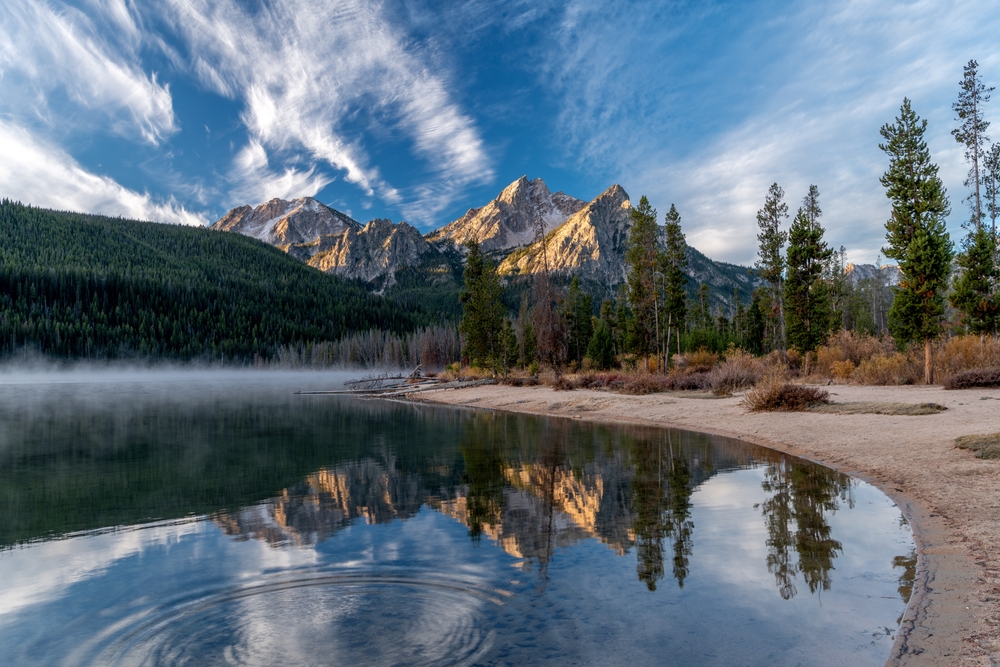
Coeur d’Alene attracts retirees seeking conservative politics, natural beauty, and escape from California or West Coast liberalism. The area’s far-right political climate becomes uncomfortable even for conservatives who discover the extreme nature of local politics, and the winters are harsh with significant snow and cold that creates isolation. The influx of California refugees has driven housing costs to levels that negate Idaho’s affordability advantage.
Healthcare is limited in northern Idaho, requiring travel to Spokane for specialists and advanced care, and the cultural amenities are minimal compared to larger cities retirees left behind. The political homogeneity that initially attracted people becomes stifling, and many discover they miss the diversity and cultural richness of the places they fled. The lake-focused recreation is wonderful but limited in scope, and long winters keep people indoors more than anticipated.
14. Boca Raton, Florida – The Affluent Trap
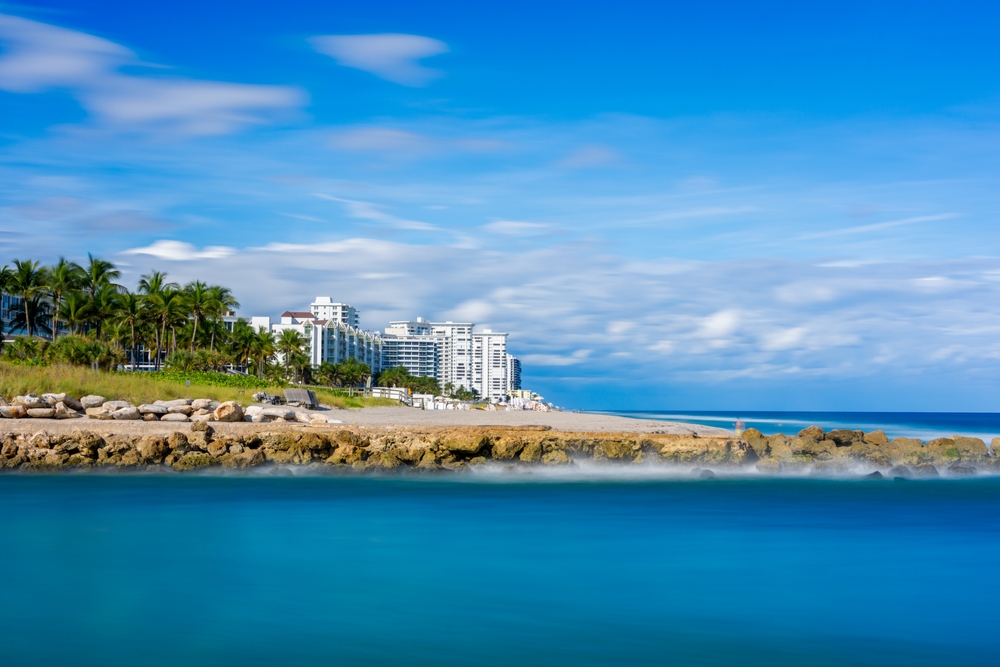
Boca Raton attracts affluent retirees with its upscale reputation, beaches, and country clubs, but the reality is crushing costs, hurricane risk, and a materialistic culture that proves emotionally exhausting. Everything is expensive—housing, dining, memberships, services—and the social scene revolves around wealth display and status competition. Many retirees find themselves in financial stress trying to keep up with neighbors, or they feel alienated by the superficial culture.
Hurricane evacuations are mandatory for coastal areas, and insurance costs have become prohibitive for many, sometimes exceeding $15,000-$20,000 annually. The heat and humidity are oppressive for much of the year, and the suburban sprawl creates traffic congestion and lack of walkability. Many retirees discover that living in an expensive, status-conscious area creates more stress than their previous lives, and the proximity to family and old friends they gave up isn’t compensated by the Florida lifestyle they imagined.
15. Tucson, Arizona – Heat, Healthcare Gaps, and Desert Fatigue
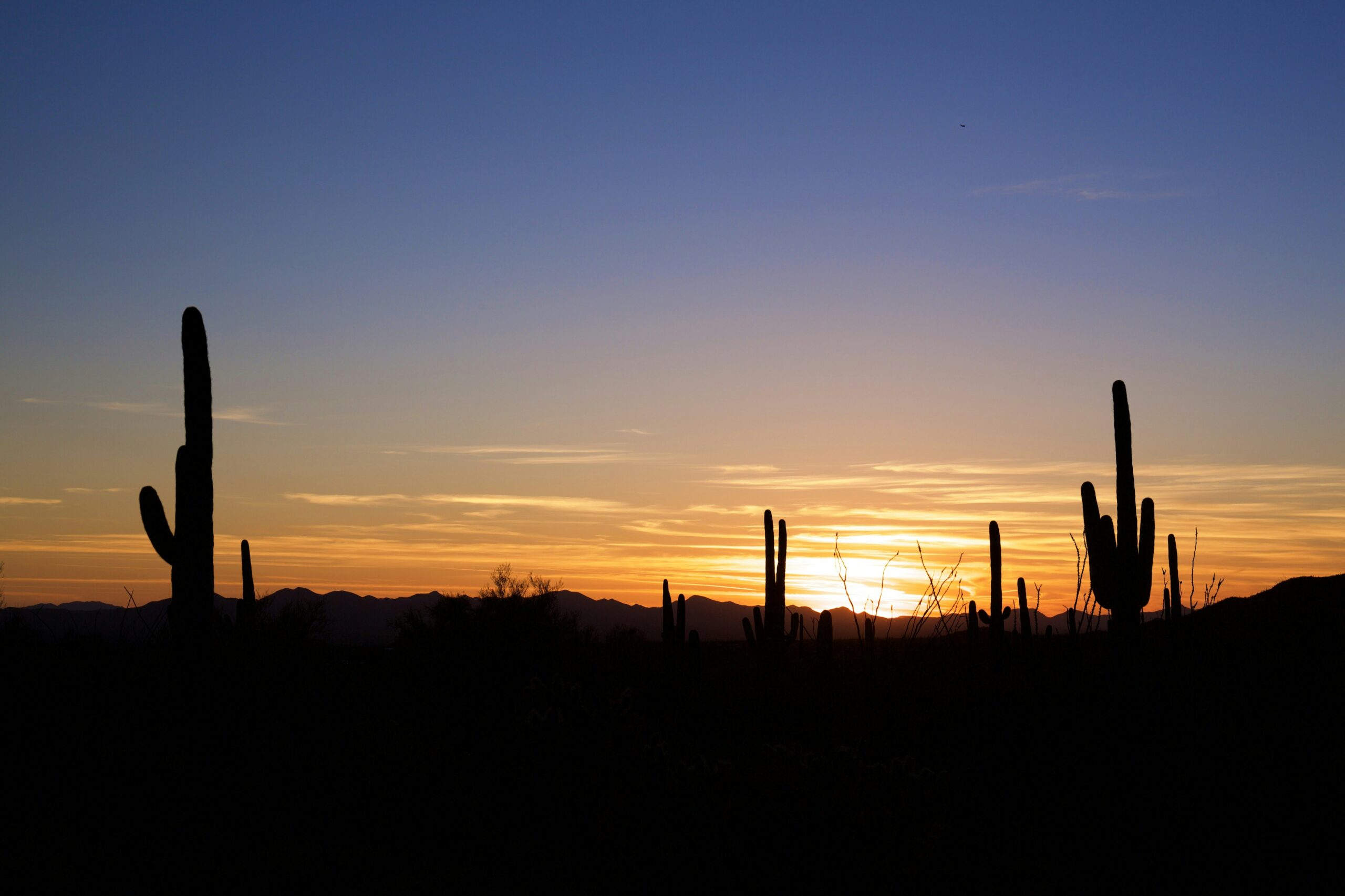
Tucson attracts retirees with lower housing costs than Phoenix, desert beauty, and a laid-back vibe, but many leave after realizing how punishing the climate and isolation become with age. Summer temperatures regularly exceed 105 degrees for months, severely limiting outdoor activity and increasing health risks for seniors. What feels tolerable in your early 60s often becomes oppressive in your 70s.
Healthcare access is uneven, with limited specialists compared to Phoenix, forcing long drives for advanced care. The cultural scene is smaller than expected, and many retirees find themselves bored once the novelty of desert living wears off. Over time, Tucson feels less like a relaxed retirement haven and more like a hot, isolated city with limited upward mobility or stimulation.
16. Naples, Florida – Luxury Prices Without Luxury Services
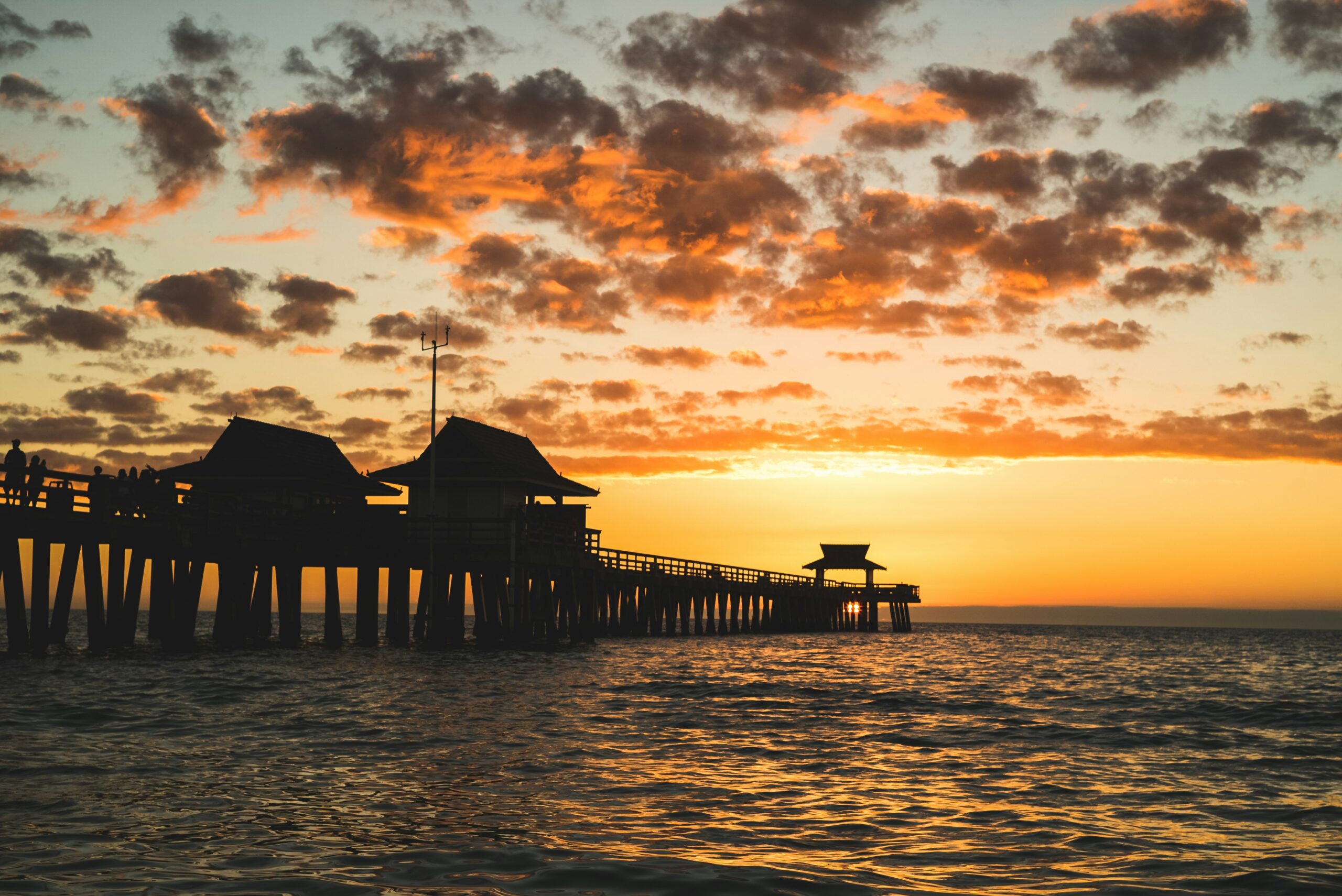
Naples markets itself as a refined, upscale retirement destination with beaches, golf, and fine dining, but many retirees underestimate the ongoing financial burden. Housing prices rival major metropolitan areas, HOA fees are substantial, and everyday services are priced for wealthy seasonal residents rather than full-time retirees. Fixed-income retirees quickly feel financial pressure.
Healthcare demand far exceeds supply during peak season, creating long waits for appointments and procedures. Hurricane insurance costs have exploded, and mandatory evacuations create anxiety for older residents. Many retirees leave after realizing they are paying luxury prices for a lifestyle that feels crowded, stressful, and increasingly risky.
17. Albuquerque, New Mexico – Crime Concerns and Healthcare Limitations
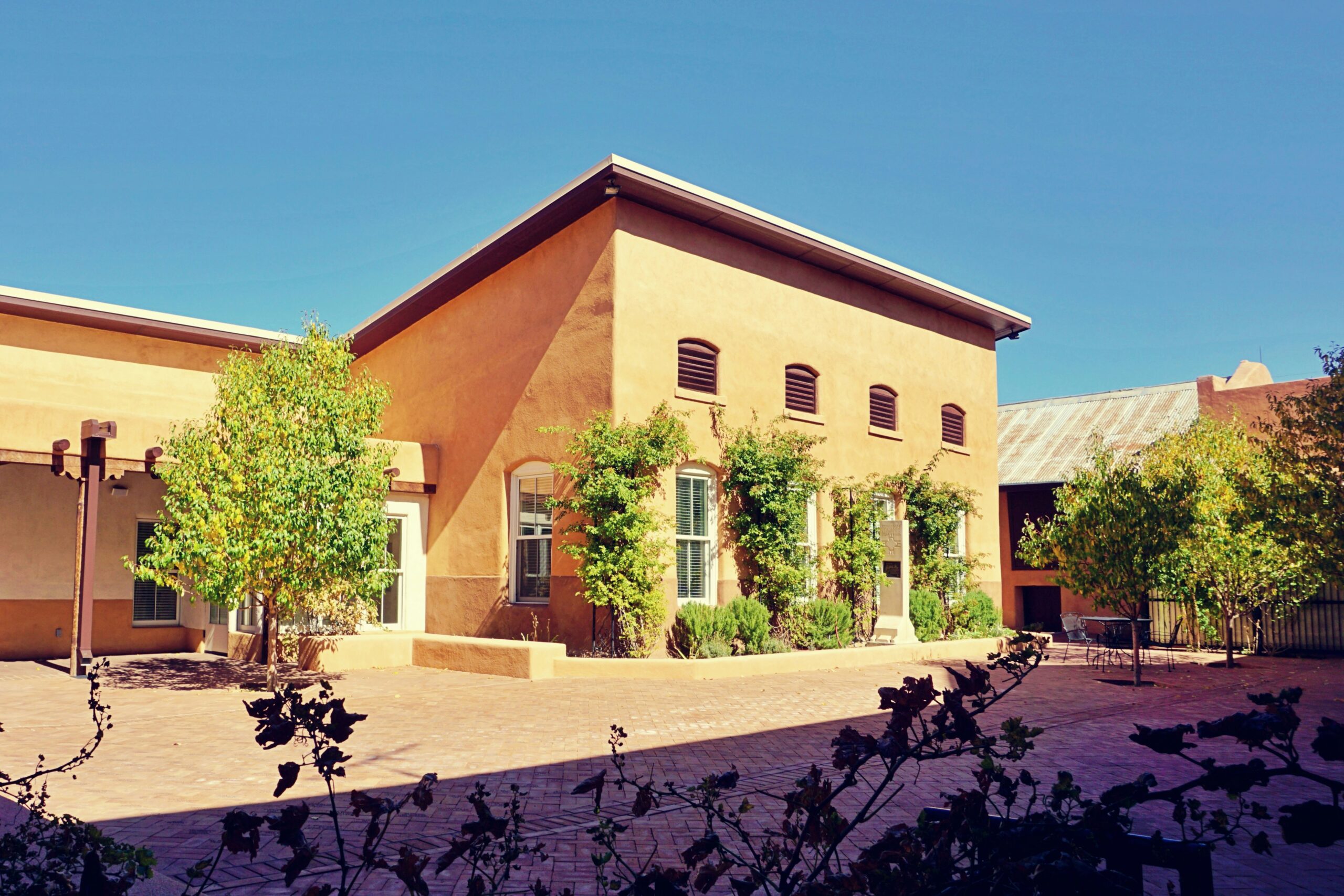
Albuquerque attracts retirees with affordable housing, mild winters, and scenic beauty, but persistent crime issues erode quality of life. Property crime rates are among the highest in the region, and many retirees feel unsafe, particularly after dark. The sense of insecurity becomes more pronounced as physical vulnerability increases with age.
Healthcare options are limited compared to larger metro areas, and specialist care often requires long wait times or travel. The city’s infrastructure and public services struggle to keep pace with population needs. Retirees who hoped for a relaxed Southwestern lifestyle often leave after realizing daily stress outweighs affordability benefits.
18. Port St. Lucie, Florida – Sprawl Without Substance
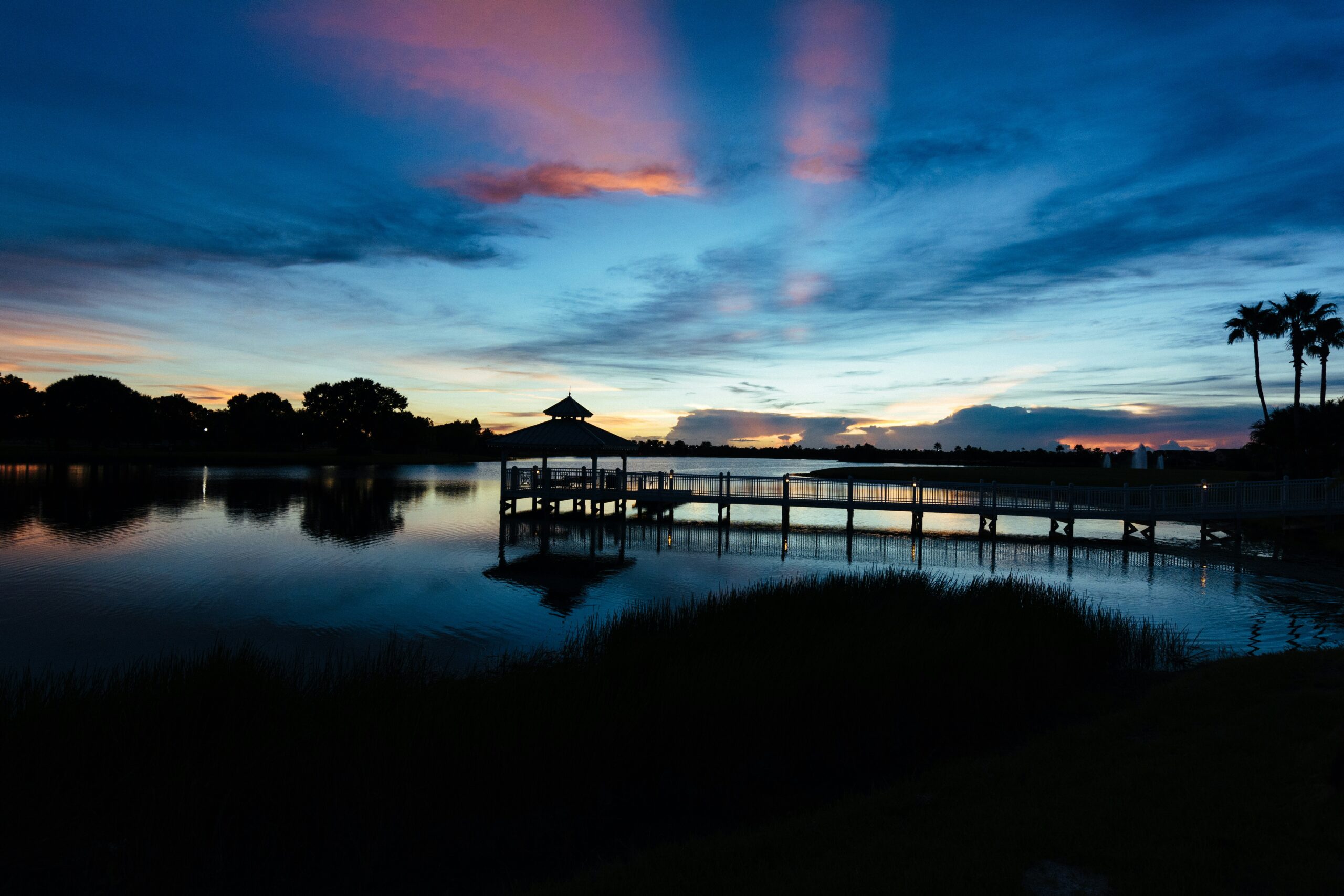
Port St. Lucie draws retirees with newer housing developments and lower prices than South Florida hotspots, but many find the area lacks character and amenities. The city is heavily car-dependent, with sprawling suburbs, limited walkability, and few cultural attractions. Daily life revolves around strip malls and chain restaurants.
Healthcare access is strained by rapid population growth, leading to appointment backlogs and overcrowded facilities. Hurricane risk and rising insurance costs add financial pressure. Retirees who move seeking a balanced Florida lifestyle often leave in search of places with stronger community identity and services.
19. Bend, Oregon – Outdoor Paradise That Became Unlivable
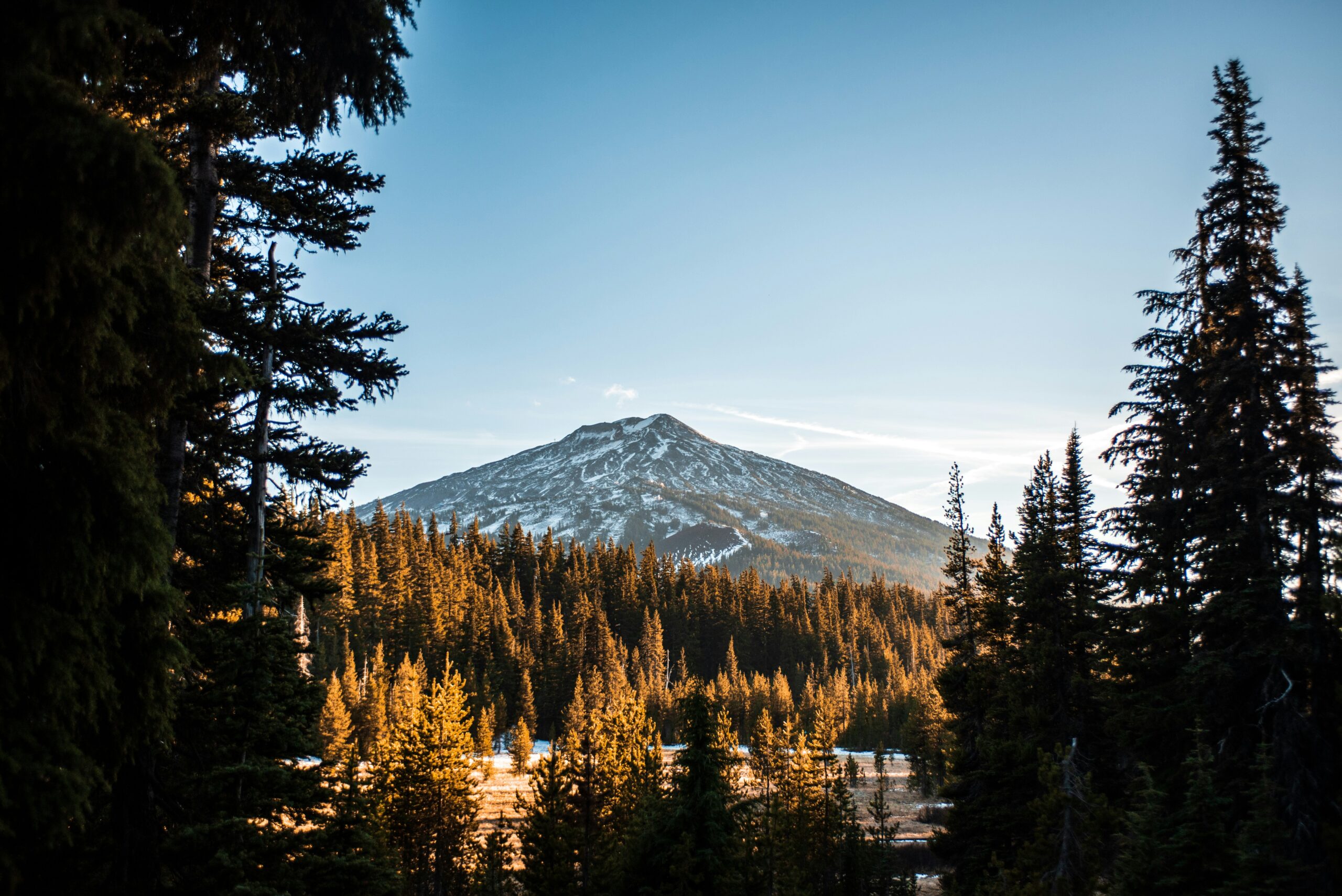
Bend appeals to retirees with mountain views, outdoor recreation, and a vibrant reputation, but explosive growth has transformed it into an expensive, congested town. Housing costs have soared beyond what many retirees can sustain, and traffic congestion undermines the small-town feel. The influx of remote workers has reshaped the economy away from retirees.
Healthcare services are limited for the growing population, forcing travel to Portland for advanced care. Winter weather can be harsher than expected, limiting mobility and outdoor enjoyment for months. Many retirees leave after realizing Bend works better as a vacation destination than a long-term home.
20. McAllen, Texas – Cheap Living With Serious Tradeoffs
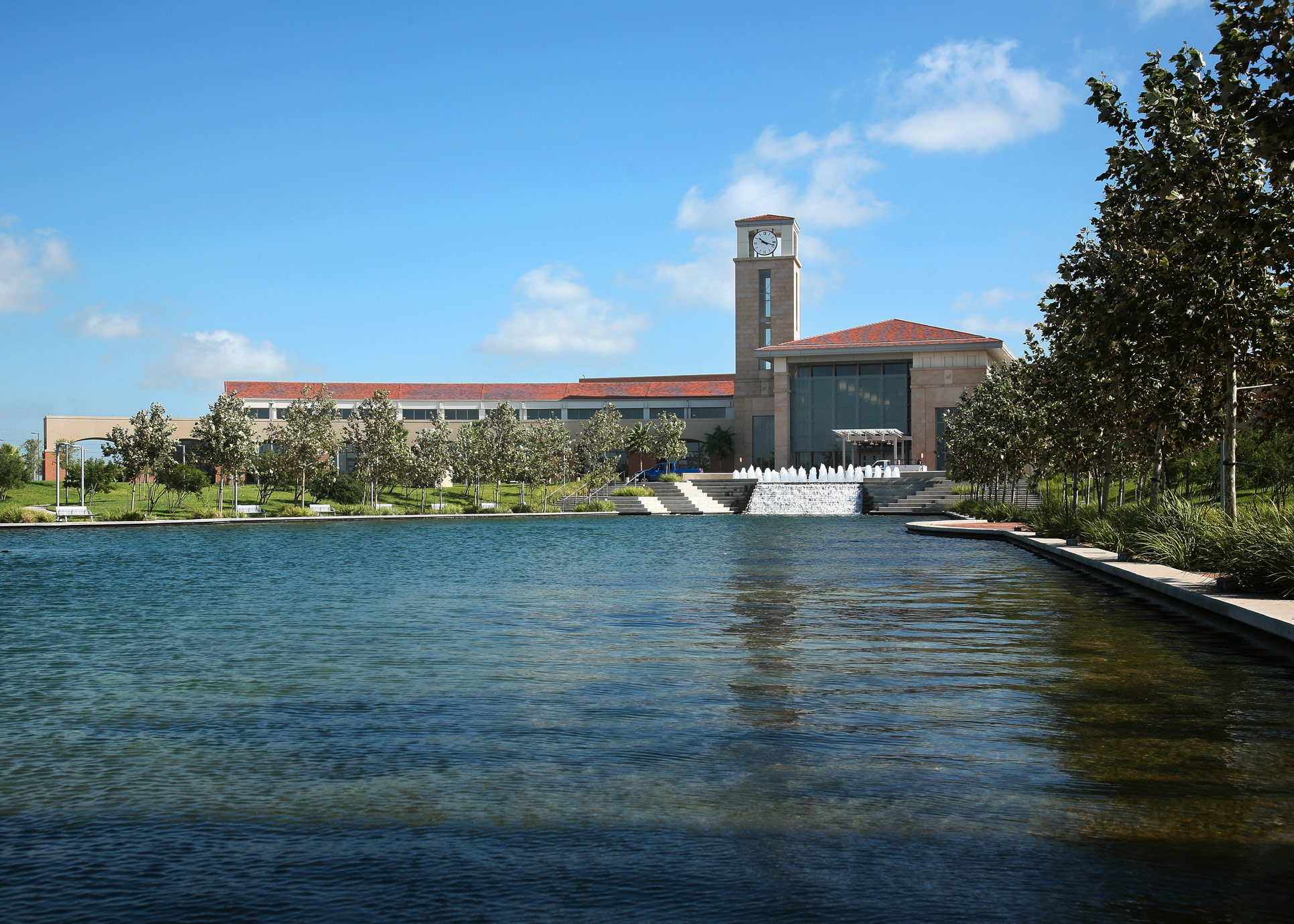
McAllen attracts retirees with extremely low housing costs and no state income tax, but the tradeoffs become apparent quickly. Summer heat and humidity are extreme, often surpassing Florida conditions, making outdoor activity dangerous for seniors. The region’s healthcare system lacks depth, with limited specialist care.
Cultural isolation and distance from major cities contribute to feelings of remoteness. Flooding risk and infrastructure challenges add stress. Retirees who move for affordability often leave after realizing low costs cannot compensate for limited services, extreme climate, and isolation from family.
This article is for informational purposes only and should not be construed as financial advice. Consult a financial professional before making investment or other financial decisions. The author and publisher make no warranties of any kind.