
Walk into certain homes, and you can immediately tell the owners spent a fortune on features they thought would add value and appeal. But the real estate market has a cruel sense of irony—some of the most expensive, trendy upgrades that sellers are proudest of actually repel serious buyers rather than attract them. These aren’t minor cosmetic preferences, either. They’re substantial investments that can tank a home’s marketability and force price reductions that far exceed what the features originally cost. What seemed like smart home improvement decisions turn into costly mistakes that become apparent only when it’s time to sell.
1. In-Ground Swimming Pools
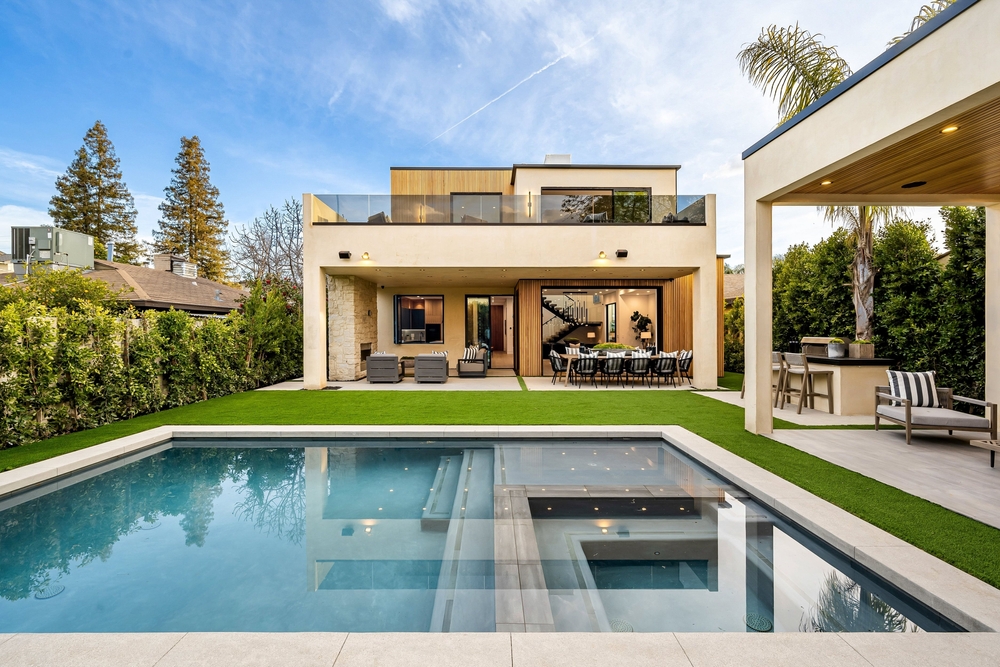
Sellers think pools are major selling points, but most buyers see them as expensive maintenance headaches and safety liabilities. The annual upkeep costs $2,000 to $4,000 for chemicals, cleaning, repairs, and winterization, plus the constant vigilance required around children and pets. Insurance costs increase, and the pool takes up yard space that many buyers would prefer for other uses. Serious buyers with pool experience know exactly what they’re signing up for and typically aren’t willing to pay premium prices for the privilege of that ongoing burden.
The liability and maintenance concerns are particularly acute for families with young children who see pools as dangerous rather than fun. Empty nesters and retirees don’t want the work, while young families can’t handle the risk and expense. The narrow slice of buyers who actually want pools can find plenty of options, giving them negotiating power. Sellers discover that their $50,000 pool investment adds maybe $10,000 to $20,000 in actual value, and often prices need to drop below comparable pool-free homes just to generate interest.
2. Highly Personalized Smart Home Systems
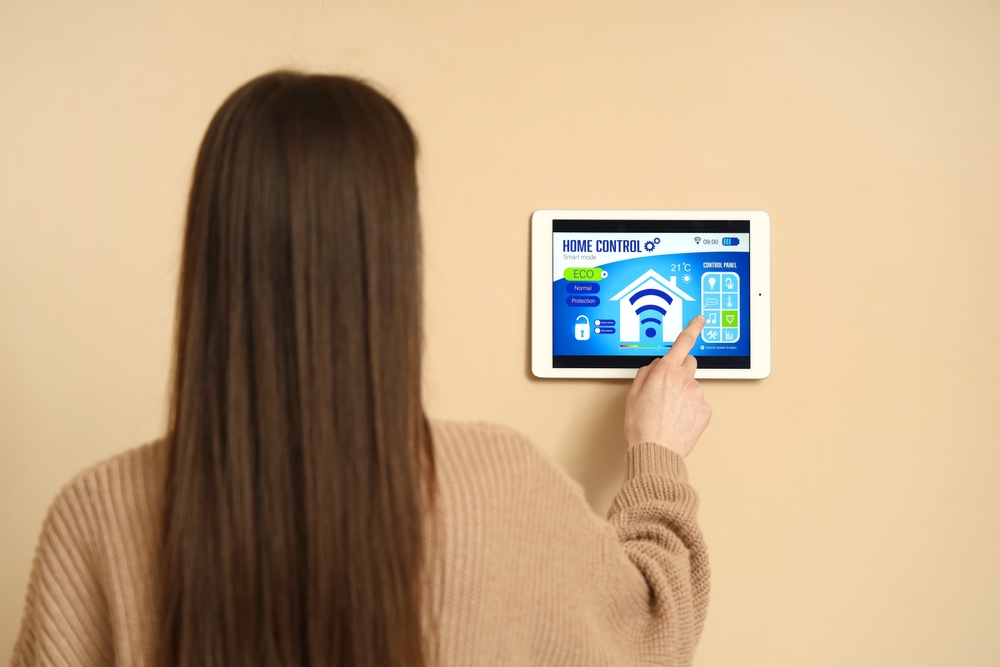
Elaborate smart home installations with custom lighting, integrated audio, specialized controls, and proprietary systems sound futuristic until buyers realize they’re inheriting someone else’s complicated technology. The systems often require specific apps, subscriptions, and technical knowledge that buyers don’t want to deal with. When components fail or need updates, finding support becomes a nightmare, especially for discontinued or niche products. Most buyers would rather start fresh with their own preferred smart home setup than inherit a complex system they didn’t choose.
The incompatibility issues between different smart home platforms and the rapid obsolescence of technology make these installations risky purchases. Buyers worry about being locked into systems that might not work with their devices or that will require expensive upgrades. The sellers who invested tens of thousands in whole-house automation discover that buyers either don’t value it or actively view it as a negative requiring removal. The smart home that seemed cutting-edge becomes an albatross that sophisticated buyers recognize as future technical debt and headaches.
3. Home Bars and Wine Cellars
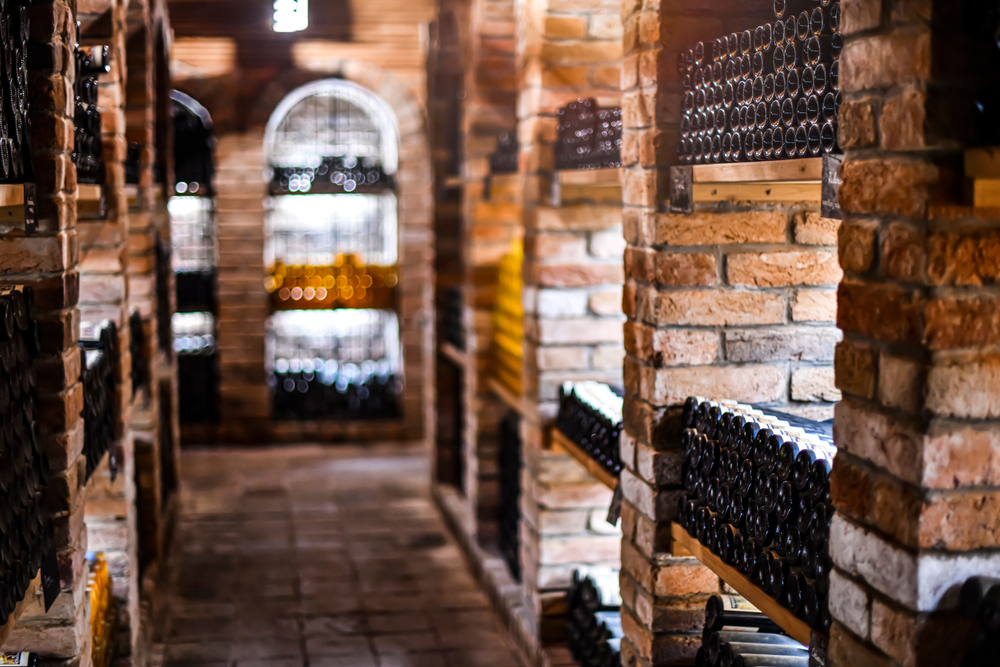
The elaborate home bar or climate-controlled wine cellar that cost $30,000 to $100,000 appeals to a tiny fraction of buyers. Most people don’t drink enough to justify dedicated alcohol storage, and the space could serve more useful purposes. Wine cellars require ongoing climate control costing hundreds monthly, and home bars feel dated and excessive to buyers who don’t entertain that way. The installation screams “someone else’s hobby” rather than adding universal appeal, immediately narrowing the buyer pool.
Serious buyers see these features as wasted square footage that they’ll need to repurpose or remove entirely. The cost to convert wine cellars and bars to a functional living space adds to the perceived burden of the home. Younger buyers in particular view elaborate alcohol-focused spaces as relics of a different era rather than desirable amenities. Sellers who thought these features would command premium prices discover they’re actually limiting marketability to the small percentage of buyers who share their specific interests.
4. Carpeted Bathrooms
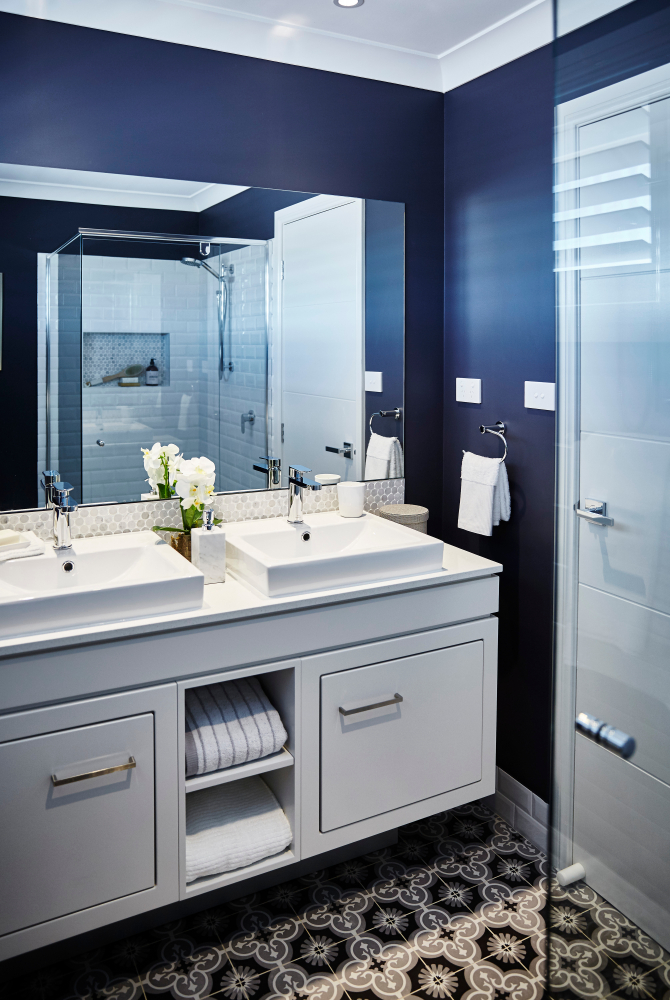
Carpeted bathrooms seemed luxurious in certain eras, but now immediately signal outdated design and hygiene concerns to modern buyers. The moisture retention, mold potential, and general grossness of fabric in wet environments make buyers recoil visibly during showings. Even if the carpet is clean and well-maintained, buyers can’t shake the knowledge of what bathrooms are used for and how carpet absorbs all of it. The feature that was supposed to feel plush and comfortable instead reads as unsanitary and requiring immediate replacement.
The replacement cost isn’t enormous, but it’s work buyers don’t want to take on before moving in and it signals that other updates are probably needed too. Carpeted bathrooms make buyers wonder what other questionable design choices exist throughout the house. The dated aesthetic extends beyond just the flooring to suggest the entire home hasn’t been updated in decades. Sellers with carpeted bathrooms watch buyers mentally deduct renovation costs from their offer price, if they make offers at all.
5. Open Concept Everything
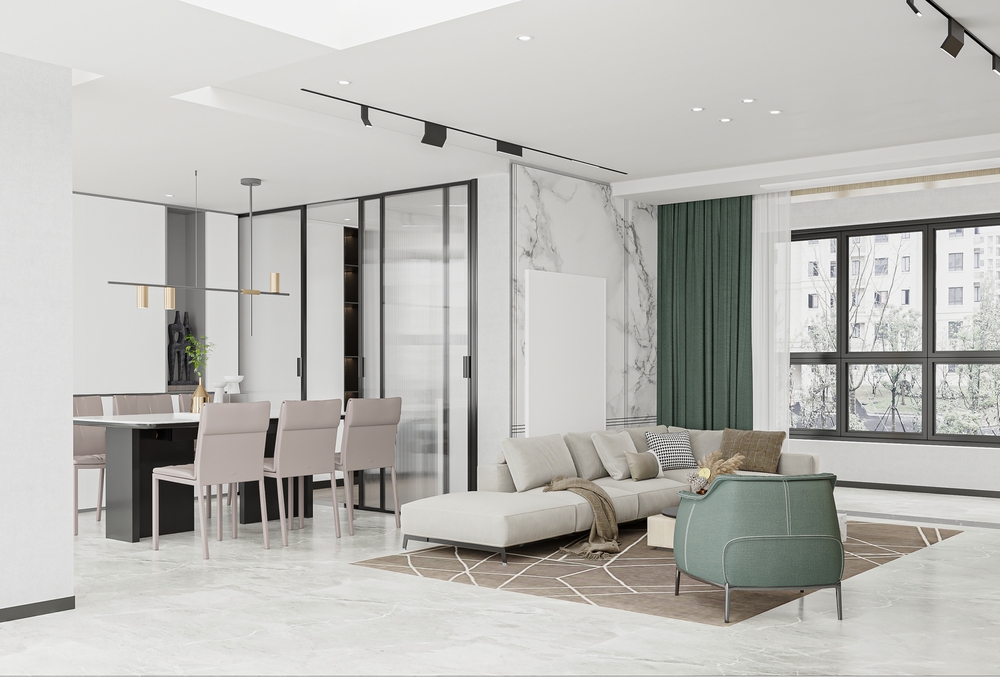
The open concept trend has swung so far that homes with zero separation between kitchen, dining, and living areas actually turn off buyers who want some definition and privacy. Families with young children realize that open concept means noise travels everywhere and there’s nowhere for kids to play without disrupting the whole house. Remote workers need dedicated office space, not kitchen tables that serve multiple purposes. The cooking smells, kitchen mess, and lack of sound barriers that come with extreme open concept layouts have serious buyers reconsidering.
The removal of too many walls creates spaces that are hard to furnish and function poorly for actual daily living. Buyers struggle to visualize how they’d use enormous, undefined spaces, and the lack of cozy, intimate areas makes houses feel commercial rather than homey. The trend toward extreme openness eliminated valuable features like formal dining rooms, dens, and defined spaces that buyers now want back. Sellers who knocked down every possible wall discover that buyers would prefer more traditional layouts with options for both openness and privacy.
6. Themed Rooms for Kids

The elaborately themed children’s bedrooms—princess castles, sports team shrines, jungle murals—that parents invested thousands in actually hurt home marketability. Buyers see these rooms and immediately calculate repainting costs and the work required to return them to neutral spaces. The personalization makes it impossible for buyers to envision their own children in those spaces, creating psychological barriers to making offers. Even buyers with kids don’t want someone else’s themed rooms, preferring to create their own designs.
The more expensive and elaborate the theming, the more it signals that sellers made choices for their specific family rather than maintaining broad appeal. Built-in bunk beds designed as pirate ships, castle-shaped reading nooks, and custom murals all need to be removed or covered at the buyer’s expense. Serious buyers mentally add several thousand dollars in renovation costs to restore themed rooms to standard bedrooms. The feature parents thought would charm family buyers instead becomes an obstacle that reduces perceived value and marketability.
7. Sunken Living Rooms
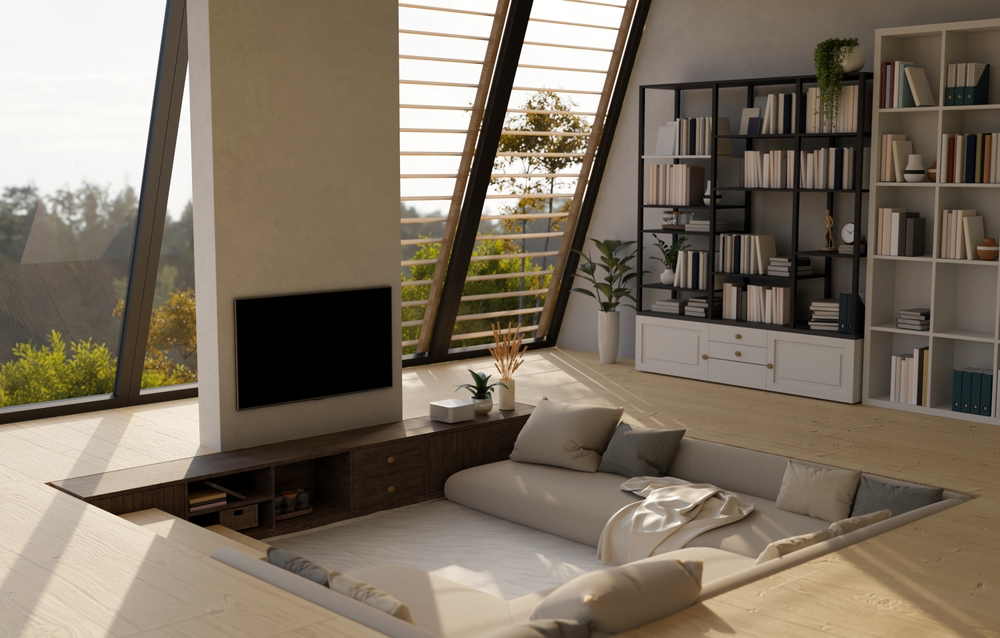
Sunken living rooms were architectural statements in the 70s and 80s, but now represent accessibility nightmares and safety hazards to modern buyers. The step-down design creates tripping hazards, particularly for older buyers thinking about aging in place and families with young children. The spaces feel dated and hard to furnish in ways that flow with the rest of the house. Anyone with mobility issues or thinking about future accessibility immediately crosses these homes off their lists.
The cost to fill in and level sunken rooms is substantial, requiring buyers to add major renovation expenses before the home functions the way they want. Even for buyers without immediate accessibility concerns, the dated architectural feature suggests the entire house is stuck in a previous era. Insurance companies sometimes raise rates for sunken rooms due to liability concerns, adding ongoing costs. The design element that was supposed to create visual interest instead creates barriers—both literal and figurative—that serious buyers don’t want to deal with.
8. Popcorn Ceilings
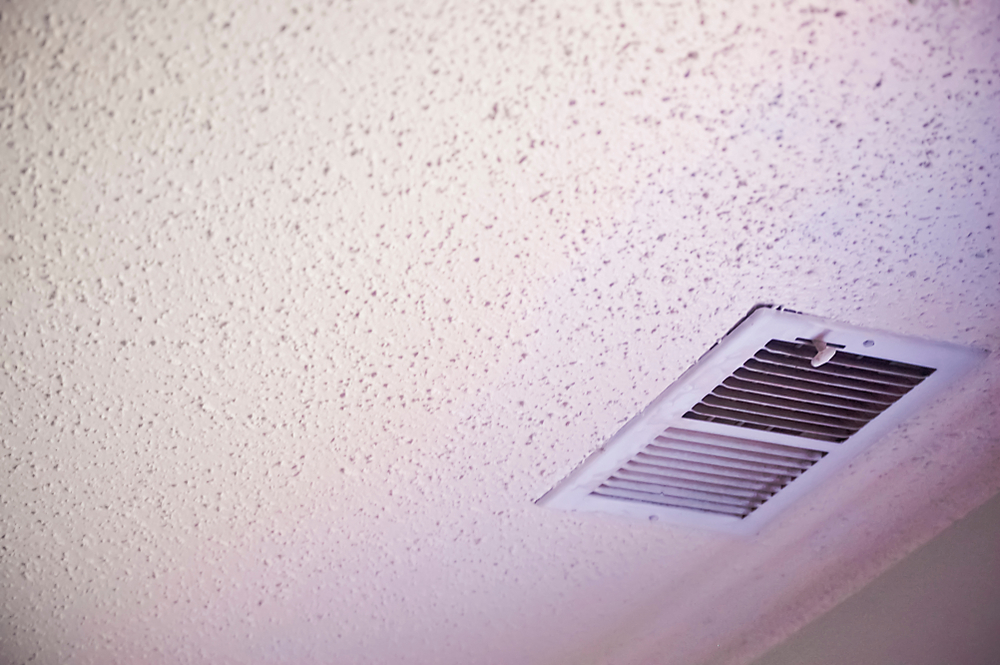
Popcorn texture on ceilings immediately dates a home and signals deferred maintenance to educated buyers. The texture often contains asbestos in older homes, requiring expensive professional removal that buyers don’t want to handle. Even asbestos-free popcorn looks terrible to modern eyes and makes homes feel dramatically older than they are. Buyers factor removal costs of several thousand dollars into their offers, or they simply skip homes with popcorn ceilings entirely in favor of updated alternatives.
The psychological impact of popcorn ceilings extends beyond just aesthetics—they signal sellers who haven’t invested in updates and may have neglected other maintenance. Buyers wonder what else hasn’t been updated if sellers couldn’t be bothered to address such an obviously dated feature. The removal process is messy and disruptive, making it something buyers strongly prefer sellers handle before listing. Homes with popcorn ceilings sit on the market longer and sell for less than comparable homes with smooth ceilings, making this one of the easiest value-adds sellers can do.
9. Jacuzzi Tubs and Oversized Soaking Tubs
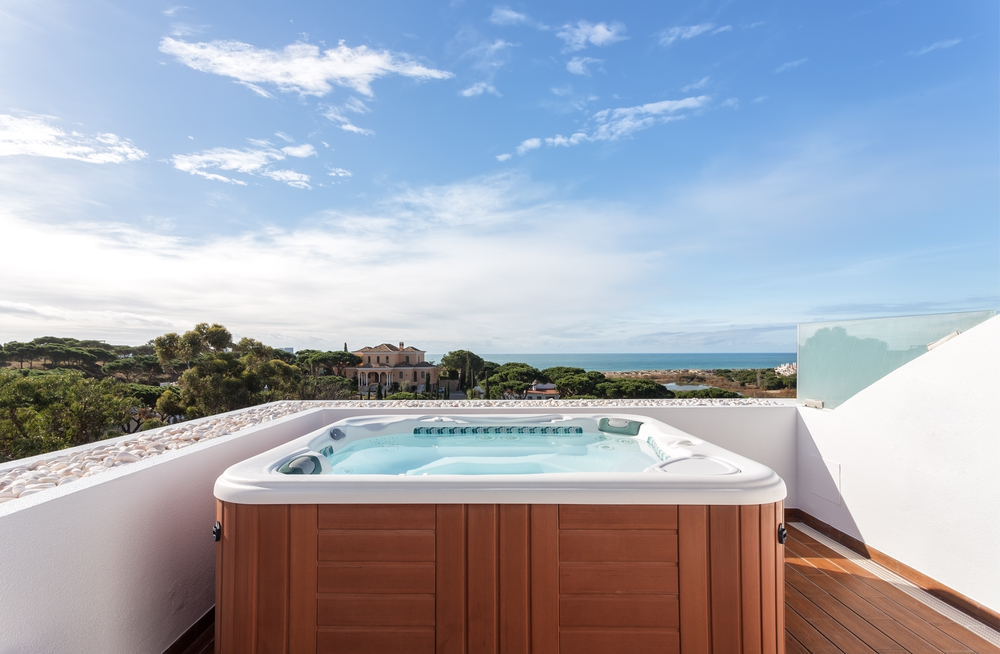
The massive jetted tubs and oversized soaking tubs that dominated bathroom renovations are now turnoffs for buyers who recognize them as unused space wasters. Most people never actually take baths, and these tubs consume bathroom square footage that could provide better storage or larger showers. Jetted tubs in particular gross out buyers who know the water jets harbor bacteria and mold that’s nearly impossible to clean properly. The maintenance requirements and hygiene concerns make these former luxury features seem more like liabilities.
Buyers increasingly prefer large walk-in showers over any bathtub at all, and the massive tubs read as wasted resources rather than luxurious amenities. The water and energy costs to fill huge soaking tubs also concern environmentally conscious buyers. Families with young children who actually need tubs want standard sizes, not enormous structures that waste water. Sellers who invested heavily in luxury tubs discover that buyers either don’t value them or view them negatively, requiring price concessions to offset the perceived drawback.
10. Wall-to-Wall Mirrors
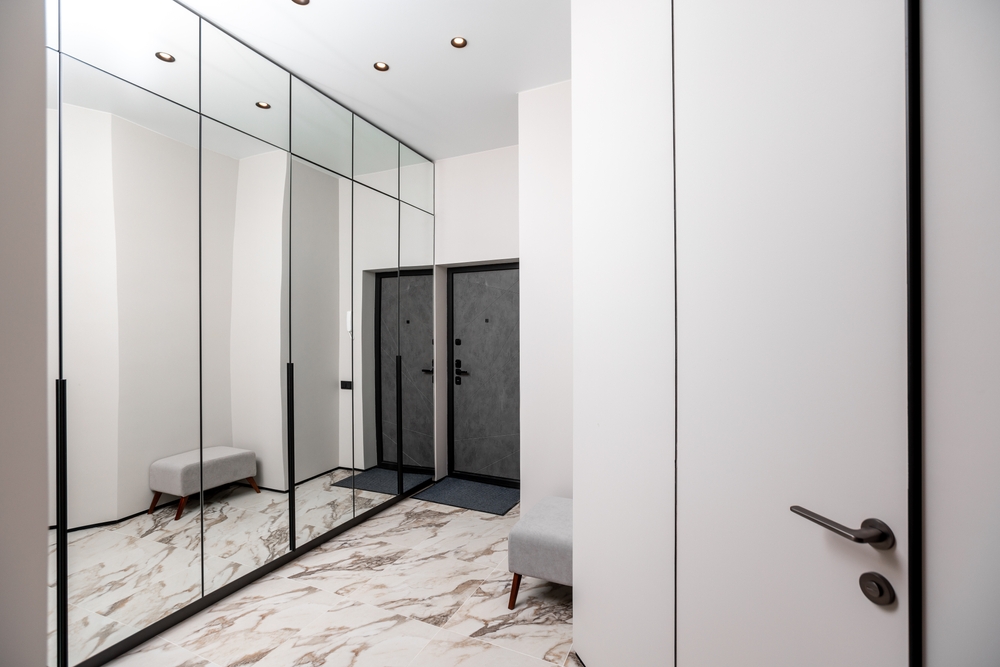
Mirrored walls that were supposed to make spaces feel larger now just feel dated and tacky to modern buyers. The 80s aesthetic of entire walls covered in mirror tiles or panels screams outdated design requiring immediate renovation. Buyers worry about the cost and difficulty of removing mirrors without damaging walls underneath. The spaces feel like dance studios or gyms rather than homes, and the cleaning requirements of massive mirror expanses are daunting.
The mirrors also create practical problems with furniture placement and room functionality that buyers recognize immediately. Drilling into mirrored walls to hang art or install fixtures becomes complicated, limiting decorating options. The dated aesthetic extends beyond just the mirrors to suggest the entire home is stuck in a previous decade. Removal costs and the wall repairs likely needed underneath make wall-to-wall mirrors something buyers actively avoid, crossing homes with this feature off their lists before even scheduling showings.
11. Laminate Countertops
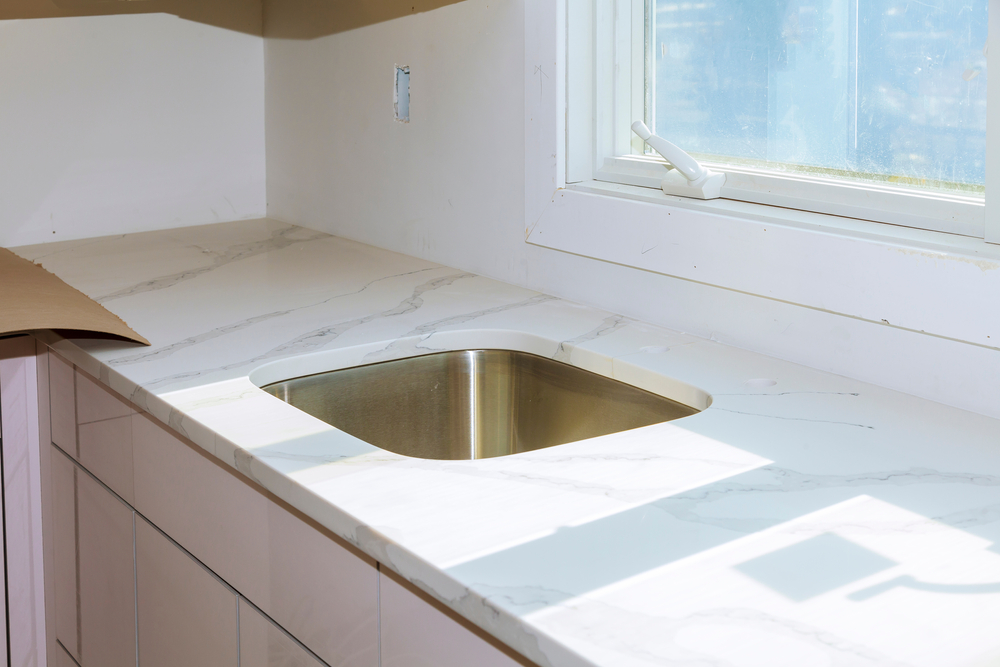
Laminate countertops in kitchens immediately signal budget constraints and outdated design to buyers shopping in most price ranges. The material chips, scratches, and shows wear in ways that make kitchens look tired even when they’re relatively new. Buyers know that kitchen updates are expensive and time-consuming, and laminate counters tell them they’re inheriting someone else’s deferred renovation. The replacement cost of several thousand dollars gets mentally deducted from offer prices, if buyers make offers at all.
The availability of affordable stone and quartz options has made laminate inexcusable in homes above entry-level prices. Buyers expect at least quartz countertops in updated homes, and anything less signals corners were cut or updates are needed. Even in lower price ranges, laminate reads as temporary and cheap rather than as acceptable building material. Sellers with laminate counters watch buyers spend minimal time in their kitchens, having already decided the space needs immediate renovation, which reduces the home’s appeal and value.
12. Converted Garages
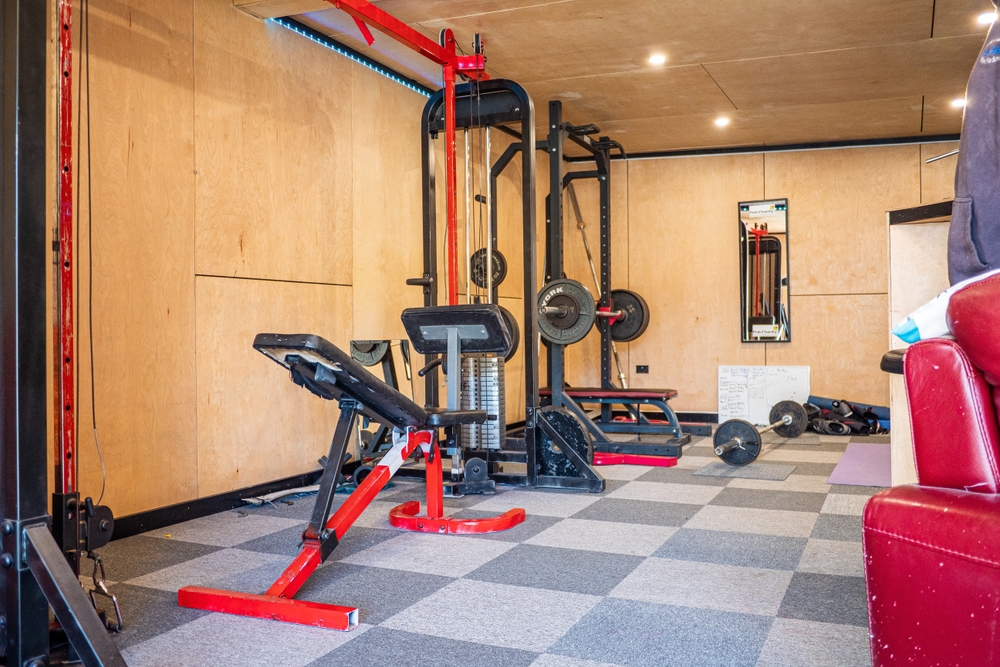
Homeowners who converted garages into living space thought they were adding valuable square footage, but buyers see them as losing essential parking and storage. The converted space often lacks proper insulation, heating, and finishing that makes it feel like an actual living space rather than a dressed-up garage. Building codes and permitting issues around garage conversions create concerns for sophisticated buyers who recognize unpermitted work. The lack of garage parking in areas where it’s expected or needed is a deal-breaker for many buyers who won’t even consider homes without it.
The converted garage signals that sellers prioritized square footage over functionality without considering how it affects home value and marketability. Buyers calculate the cost of either converting the space back to a garage or bringing it up to actual living space standards, both expensive propositions. The compromise nature of converted garage space—too cold in winter, too hot in summer, poor finishes, awkward layouts—becomes obvious to anyone who looks closely. Homes with converted garages typically sell for less than comparable homes with actual garages, plus the same square footage in properly built living space.
This article is for informational purposes only and should not be construed as financial advice. Consult a financial professional before making investment or other financial decisions. The author and publisher make no warranties of any kind.