


Small purchases feel harmless in the moment—a few dollars here, maybe ten dollars there. But these seemingly insignificant expenses have a way of multiplying silently in the background, draining thousands from your budget without ever feeling like “real” spending. The psychology of small purchases makes them particularly dangerous because each individual transaction seems too minor to worry about, while the cumulative impact can derail your financial goals.
1. Daily Coffee Shop Visits

A $5 latte feels like a tiny indulgence, a small reward for getting through the morning or a reasonable pick-me-up during an afternoon slump. The ritual of stopping at your favorite coffee shop becomes so routine that you barely register the transaction. But that daily $5 coffee adds up to $150 per month, $1,825 per year—and that’s assuming you only get coffee, not the pastry or sandwich that often accompanies it.
When you factor in weekend trips, occasional upgraded drinks, and the days you go twice, many people easily spend $2,500-3,000 annually on coffee shop purchases. That’s a significant vacation, an emergency fund starter, or several months of retirement contributions. The comfort and routine of the purchase masks the reality that you’re spending luxury vacation money on something you could make at home for about 50 cents per cup.
2. Streaming Subscriptions You Forgot About
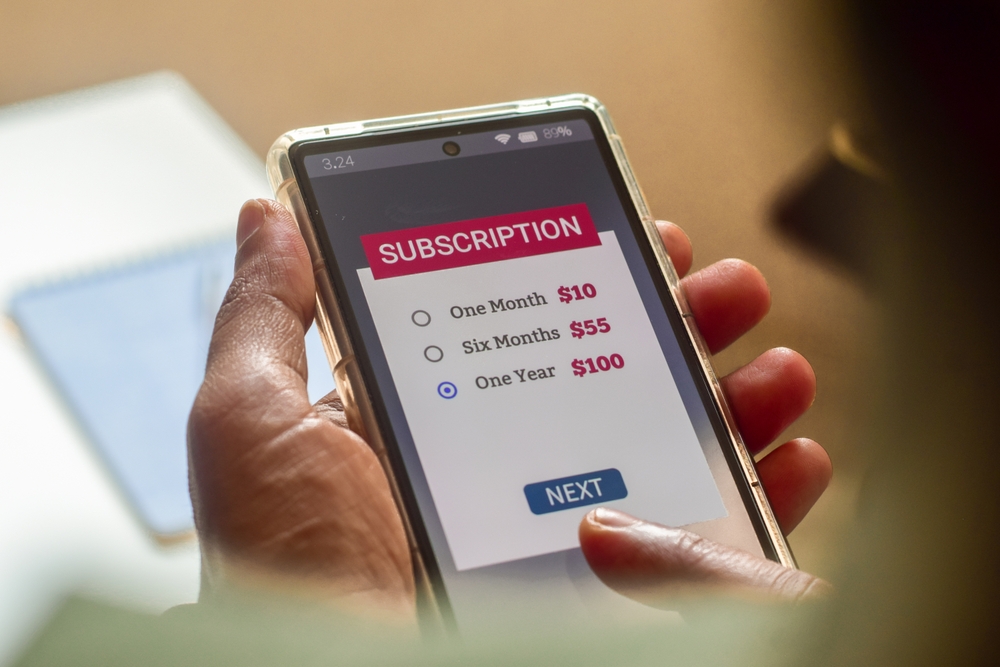
Individual streaming services look reasonable—$8 here, $15 there, maybe $12 for that specialty channel you wanted to try. You sign up thinking you’ll cancel if you don’t use it, but the monthly charge is small enough to slip past your notice when reviewing bank statements. Most people don’t realize they’re subscribed to services they haven’t used in months or even years.
The average American now subscribes to 4-5 streaming services, plus music subscriptions, gaming memberships, cloud storage, and app subscriptions. These easily total $100-150 per month or $1,200-1,800 per year for digital content. Many households are paying for services they genuinely forgot existed, essentially throwing away money on entertainment they never consume—often for subscriptions they initially signed up for just to watch one show.
3. Convenience Store Stops on the Way Home

Stopping for a drink, a snack, or some random item at a convenience store feels like such a minor purchase that most people don’t even track it. The $8-12 you spend seems insignificant, and you’re getting something you need or want in the moment. These stops become habitual—three times per week after work, grabbing items that cost 2-3 times what they would at a grocery store.
Three convenience store stops per week at $10 each equals $1,560 per year spent on overpriced items purchased impulsively. The convenience premium you’re paying adds up to serious money that could be redirected to financial goals. Most of these purchases aren’t even things you planned to buy—they’re impulse decisions triggered by being in the store, which means you’re paying premium prices for things you didn’t even want an hour earlier.
4. Food Delivery App Fees
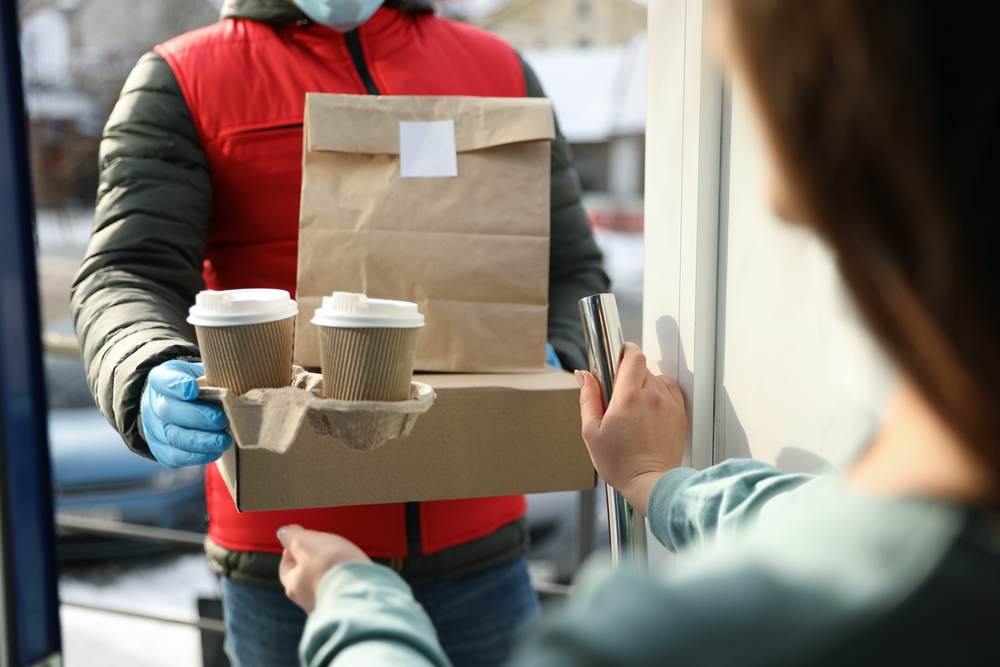
The food itself might cost $15-20, which doesn’t seem unreasonable for a meal, but delivery apps stack on service fees, delivery fees, small order fees, and suggested tips that can add 40-60% to your order. A $15 meal becomes $25-30 after all the fees, but the breakdown isn’t always transparent until checkout. Using delivery apps 2-3 times per week feels like occasional convenience, not a major expense category.
People who order delivery regularly can easily spend $300-500 per month on fees alone, separate from the actual food cost. That’s $3,600-6,000 annually in delivery charges for meals you could have picked up yourself or cooked at home. The convenience feels worth it in the moment, but most people are shocked when they calculate how much they’re spending on fees to avoid a 15-minute drive or 30 minutes of cooking.
5. Lottery Tickets and Scratch-Offs
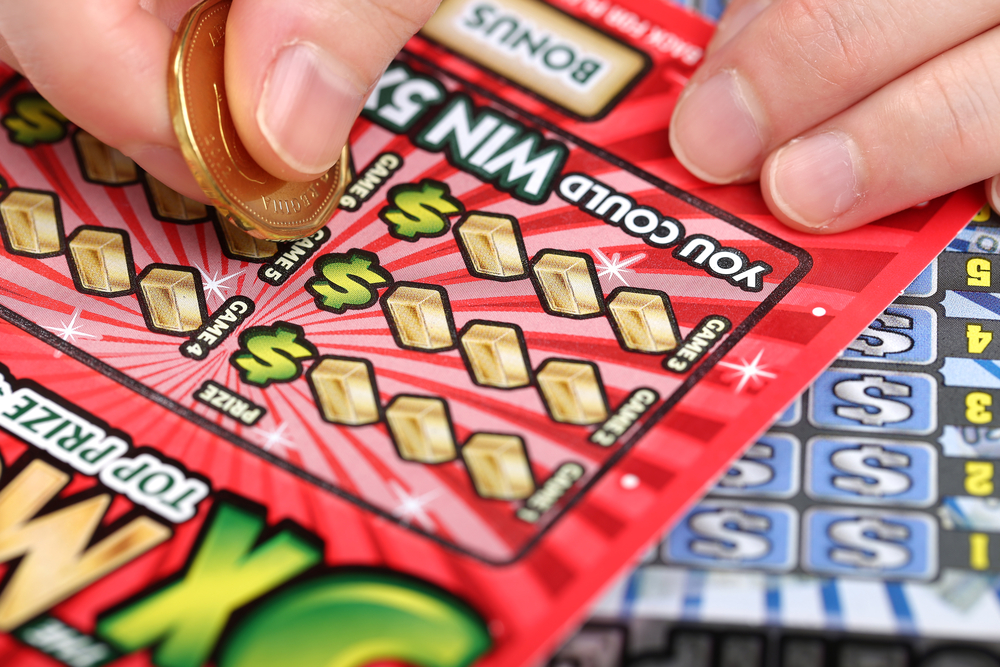
A $5 or $10 lottery ticket feels like harmless entertainment, a tiny investment in a dream with minimal financial impact. Many people have a routine of buying a few tickets per week, thinking of it as their “fun money” that doesn’t really count. The individual purchases are small enough that they don’t trigger any sense of overspending or financial concern.
Someone buying $10 worth of lottery tickets twice a week spends $1,040 per year with an expected return of around $500-600, meaning they’re effectively throwing away $400-500 annually. People who play more frequently or buy more per session can easily spend $2,000-3,000 per year on lottery products with virtually nothing to show for it. That money invested in a retirement account would compound into tens of thousands of dollars over decades, but the small transaction size makes it feel consequence-free.
6. Mobile Game Microtransactions

Spending $2-5 on in-game currency, power-ups, or cosmetic items feels trivial because you’re engaged in the game and the amount is tiny compared to buying a full console game. These microtransactions are specifically designed to feel inconsequential—small enough that you don’t think twice about the purchase. Mobile games encourage frequent small purchases rather than one large transaction, making it difficult to track total spending.
Gaming industry data shows that regular spenders on mobile games average $100-300 per year, with heavy users spending significantly more. Some people discover they’ve spent $1,000-2,000 annually on games they play on their phone, money that disappears in $3-10 increments that never feel significant. Unlike buying a $60 console game that you play for months, these microtransactions provide temporary boosts in free-to-play games that are designed to create ongoing purchase pressure.
7. Vending Machine Snacks and Drinks
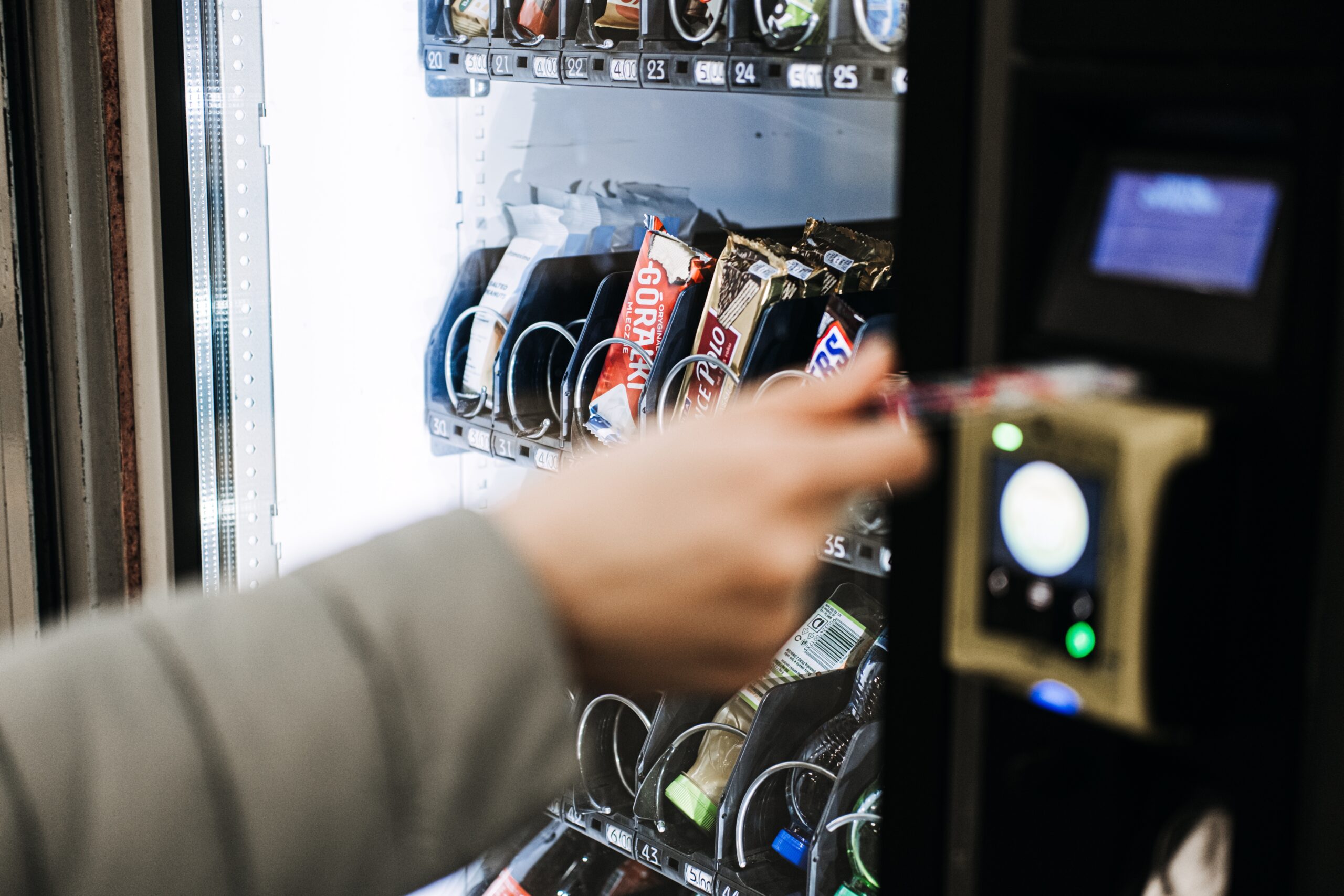
The $2-3 you spend on a vending machine soda or snack at work seems too trivial to even think about as spending. It’s convenient, you’re already at work, and the amount is small enough that tracking it feels ridiculous. One vending machine purchase per workday doesn’t register as a financial decision worth examining.
That daily $2.50 vending machine habit costs $650 per year—and that’s if you only buy once per day. Many people hit the vending machine multiple times during long work days, easily doubling that amount. You’re paying premium prices for items that cost a fraction of that at grocery stores, and the convenience of not planning ahead is costing you hundreds of dollars annually on snacks you could bring from home.
8. Impulse Items at Checkout Lines

The $5-15 items strategically placed at checkout lines are designed to slip into your cart as afterthoughts. A magazine, candy bar, phone charger, or seasonal item feels like a tiny addition to a shopping trip where you’re already spending money. These purchases don’t trigger any financial alarm bells because they’re a small percentage of your total transaction and feel spontaneous rather than planned.
Retail research shows that average shoppers add $5-20 in impulse purchases per shopping trip. Someone who grocery shops weekly and adds $10 in checkout impulse items spends $520 per year on things they didn’t come to buy. These items are marked up significantly and are almost always things you don’t actually need—you’re being psychologically manipulated into spending on items you wouldn’t have purchased if they weren’t placed strategically at checkout.
9. ATM Fees at Out-of-Network Machines
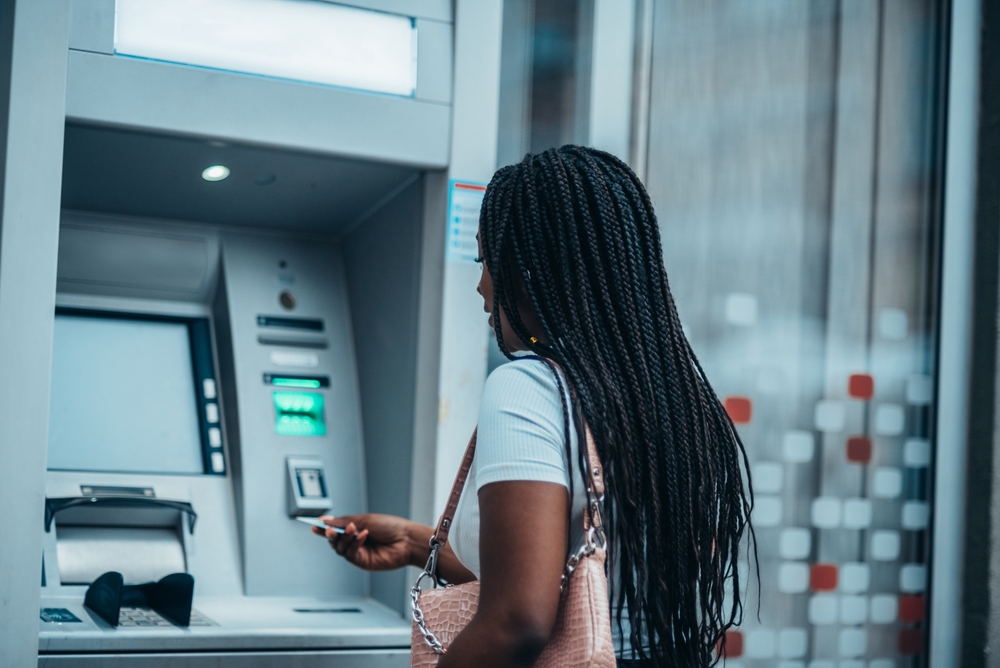
A $3-5 ATM fee feels like a minor inconvenience when you need cash immediately. You justify it as a one-time thing or a small price to pay for convenience. The fee is tiny compared to the amount you’re withdrawing, making it feel like a negligible percentage of the transaction.
People who use out-of-network ATMs twice a week pay approximately $400-500 per year in fees for accessing their own money. That’s money simply evaporating with zero value received—pure waste that could be eliminated by planning ahead or using your bank’s ATMs. Banks and ATM operators profit enormously from these small fees that customers perceive as too minor to avoid, but the annual total represents serious money for essentially nothing.
10. Premium Gas When Regular Works Fine
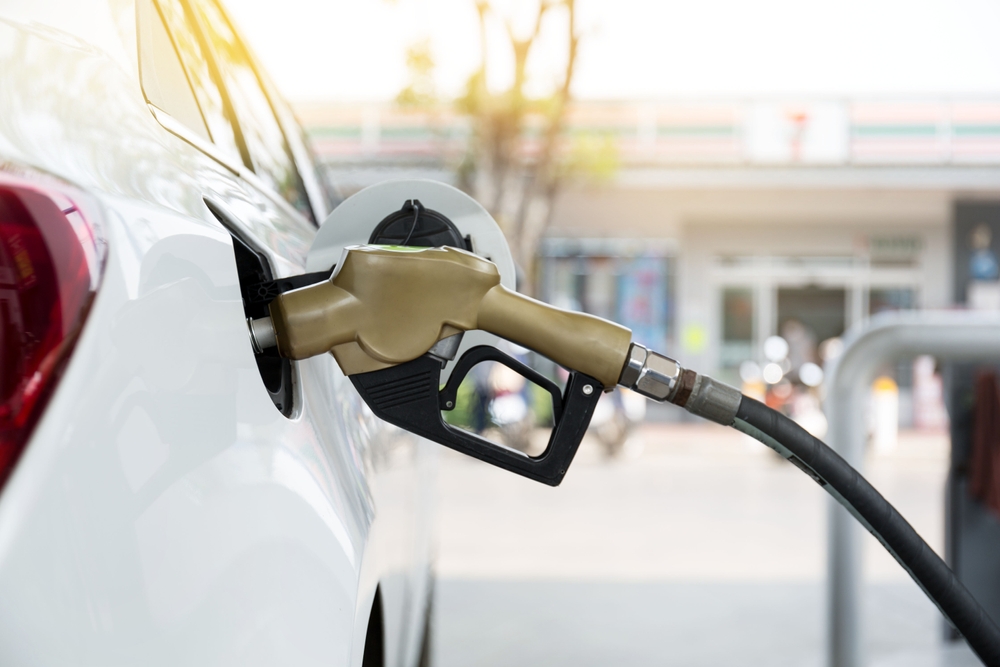
Choosing premium gas when your car doesn’t require it costs an extra 50-70 cents per gallon, which feels minimal when you’re standing at the pump. Many drivers believe premium is “better” for their car or worth the small upgrade cost. The per-fill-up difference might be $7-10, which doesn’t seem significant at the moment.
Someone filling up weekly with unnecessary premium gas wastes approximately $400-600 per year on fuel their car doesn’t need and receives no benefit from. Car manufacturers specify when premium is required versus recommended, and most vehicles run perfectly on regular unleaded. You’re literally burning money with zero performance gain, but the incremental cost per tank makes it feel like a harmless choice.
11. Name-Brand Medications Over Generics

Choosing name-brand over-the-counter medications over generic equivalents costs 30-80% more for chemically identical products. The extra $4-8 per purchase feels negligible when you’re sick or in pain, and brand loyalty makes people believe they’re getting superior products. Most people don’t calculate how these small premium payments add up across all their OTC medication purchases.
A household that regularly buys name-brand pain relievers, cold medicine, allergy medication, and other OTC drugs can easily waste $300-500 per year on brand premiums for products with identical active ingredients to generics. The FDA requires generic medications to meet the same standards as name brands, meaning you’re paying hundreds of dollars annually for marketing and packaging rather than any actual medical benefit.
12. Bottled Water When Tap Water Is Safe

Buying bottled water regularly feels like a small convenience purchase, maybe $2-4 per day for hydration on the go. The cost seems minimal compared to other beverages, and the convenience of grab-and-go hydration makes it feel worth the small price. Many people buy bottled water daily without considering it a significant expense category.
Someone spending $3 per day on bottled water spends roughly $1,095 per year—for something that comes essentially free from their tap at home. A reusable water bottle costs $15-30 and eliminates this entire expense category. In areas with safe tap water, this is purely convenience spending that adds up to over $1,000 annually with no benefit over filling a reusable bottle before leaving home.
13. Upgrading Shipping to “Faster” Options

Paying an extra $5-10 for expedited shipping feels justifiable when you want something sooner, and the cost seems small relative to your purchase price. These upgrade fees slip by because they’re often just clicking a different shipping option without thinking about the cumulative cost. You rationalize that you really need the item quickly, making the fee feel like money well spent.
People who frequently upgrade shipping spend $200-400 per year on fees to receive items a few days earlier than standard shipping. Most of these purchases aren’t genuine emergencies—they’re impatience masquerading as necessity. The expedited shipping industry profits billions from customers who perceive $7 as too small to matter, while those individual fees accumulate into substantial annual spending on convenience that rarely provides real value.
This article is for informational purposes only and should not be construed as financial advice. Consult a financial professional before making investment or other financial decisions. The author and publisher make no warranties of any kind.