


Buying in 2026 feels competitive, fast-moving, and pressure-filled in ways that push people to overlook problems they would have walked away from just a few years ago. Between tight inventory in some regions, falling prices in others, and fear of “missing out,” buyers are rationalizing risks that can cost them tens or even hundreds of thousands down the line. Here are the red flags too many people are brushing aside right now.
1. Price Cuts That Keep Stacking Up

One small price reduction might be strategic, but three or four in a row usually signal something deeper. Sellers rarely cut aggressively unless showings are weak, inspection feedback is negative, or financing keeps falling through. A pattern of reductions suggests the market has already rejected the home at higher values.
Buyers often assume they are getting a bargain without asking why others walked away. Repeated cuts can point to appraisal gaps, structural concerns, or neighborhood issues. If the property keeps sliding downward, there is usually a reason.
2. “Back on Market” After Pending Status

When a home returns to active status after going pending, it deserves scrutiny. Deals most commonly fall apart because of inspection problems, financing denials, or undisclosed issues. The listing may say “buyer changed mind,” but that is often incomplete.
Too many buyers treat it as a second chance opportunity. Instead, it should trigger deeper questions about what was uncovered the first time. Requesting prior inspection reports can reveal what others discovered.
3. Seller Offering Large Concessions

Generous closing cost credits or rate buy-downs sound helpful in a high-rate environment. However, unusually large concessions can signal a property that will not appraise at the asking price. Lenders base financing on appraised value, not contract price.
If concessions exceed normal market standards, something may be off. Buyers should verify comparable sales rather than relying on incentives. Discounts are not always savings if the underlying value is inflated.
4. Flipped Homes With Cosmetic-Only Updates
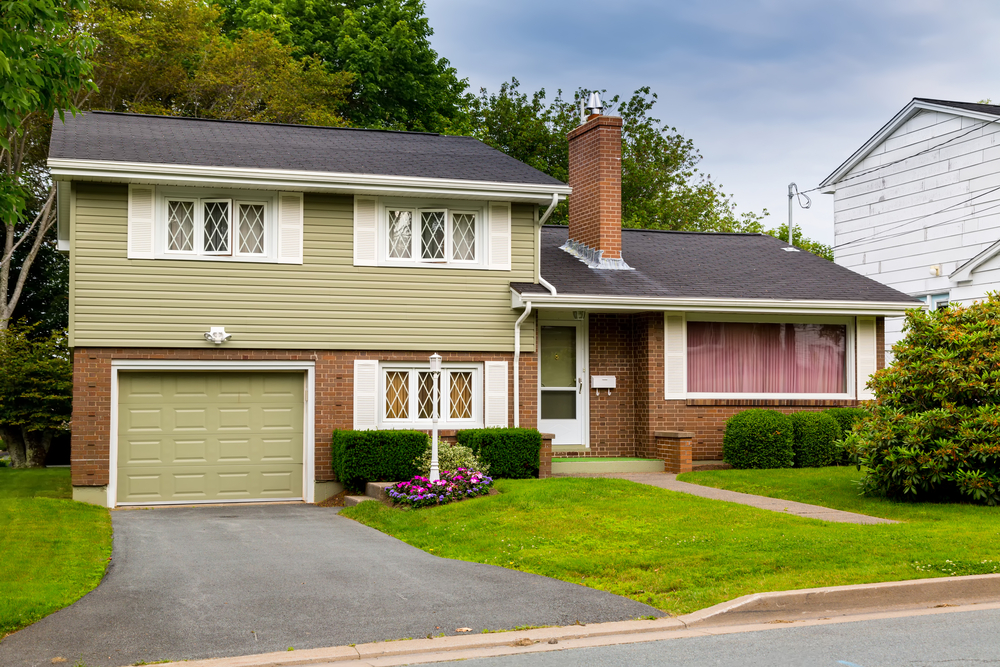
Fresh paint, trendy fixtures, and new flooring can hide deeper issues. In 2026, many investors are flipping quickly to capture thin margins, which means structural repairs may be ignored. Cosmetic upgrades do not equal mechanical or foundational improvements.
Buyers are falling for staging and surface polish. Older plumbing, outdated wiring, or roof damage often remain untouched. A thorough inspection beyond aesthetics is critical.
5. Insurance Quotes That Double Expectations
In many states, especially coastal and wildfire-prone areas, insurance premiums have surged. Buyers often request quotes late in the process and are shocked by annual costs. Some insurers are pulling out of entire regions, forcing reliance on expensive last-resort coverage.
Ignoring this upfront can wreck affordability calculations. A mortgage payment that seemed manageable becomes strained when insurance is added. Always secure insurance estimates before finalizing offers.
6. HOA Financials That Don’t Add Up

Low monthly HOA dues can seem attractive. However, underfunded reserves often mean special assessments are coming. If the association lacks adequate savings for roof replacements, elevators, or structural repairs, owners pay the difference.
Buyers frequently skip reviewing HOA budgets and reserve studies. A $20,000 assessment a year after purchase is not uncommon in poorly managed communities. Transparency in financials is non-negotiable.
7. Appraisals Barely Meeting Contract Price
When appraisal values come in exactly at the contract price, especially in volatile markets, that can be a warning sign. Appraisers often stretch to justify contract numbers when sales data is thin. A minimal cushion leaves no equity buffer.
If the market softens even slightly, the home may fall below what was paid. Buyers counting on immediate appreciation may find themselves underwater. Thin margins are risky in uncertain markets.
8. Neighborhoods With Rapid Investor Ownership

In some areas, investor purchases have surged. High concentrations of rentals can affect long-term property values, maintenance standards, and community stability. It also makes resale harder if buyers prefer owner-occupied neighborhoods.
Many buyers focus only on the house itself. The surrounding ownership pattern matters just as much. A street full of short-term rentals may not provide the stable environment expected.
9. Climate Risk Disclosures That Are Minimized

Flood zones, wildfire maps, and extreme heat risks are becoming more relevant in 2026. Sellers and agents may downplay these risks as “rare events.” However, insurers and lenders price those risks aggressively.
Ignoring climate exposure can mean rising insurance costs or resale challenges. Environmental data is easier than ever to access. Buyers should examine risk maps independently rather than relying on marketing language.
10. New Construction With Builder Incentives
Builders are offering rate buy-downs and upgrades to move inventory. That can be attractive, but it often means demand has slowed. Some builders are also cutting costs on materials to protect margins.
Buyers assume new equals problem-free. Yet warranty claims and rushed timelines can lead to hidden defects. Independent inspections are essential, even on brand-new homes.
11. Adjustable-Rate Mortgages Marketed as “Temporary Solutions”
With higher interest rates, some buyers are turning to adjustable-rate mortgages to lower initial payments. The pitch emphasizes refinancing later when rates drop. That assumption depends on unpredictable future conditions.
If rates remain elevated, payments can spike sharply. Buyers stretching budgets based on teaser rates face long-term risk. Temporary relief can become permanent strain.
12. Employment Instability in the Local Economy

A region may look vibrant, but if its job base relies heavily on one industry, that creates vulnerability. Tech layoffs, manufacturing slowdowns, or tourism declines can quickly shift housing demand. Buyers often focus only on present momentum.
Economic concentration affects property stability. If major employers pull back, housing values follow. Diversified local economies provide more resilience.
13. Seller Disclosure Gaps

Vague answers or excessive “unknown” responses on disclosure forms should raise concern. Sellers are legally required to disclose known material defects, but some attempt to minimize details. Ambiguity creates legal gray areas later.
Buyers sometimes accept incomplete forms to keep deals moving. However, missing information can mask expensive repairs. Clarification in writing protects long-term investment.
14. Properties Sitting Well Beyond Market Average

When comparable homes sell within weeks but one lingers for months, it signals a problem. It may be pricing, location, layout, or condition. The market is often efficient at identifying flaws.
Buyers rationalize that they are finding a hidden gem. More often, they are inheriting someone else’s hesitation. Time on market is data worth respecting.
15. Budget Stretching to the Absolute Limit

The most dangerous red flag is internal rather than external. Buyers are stretching debt-to-income ratios to secure homes before prices “rise again.” That leaves no margin for emergencies or rising costs.
Homeownership is long-term. If monthly expenses consume every dollar of flexibility, even minor financial setbacks become crises. Ignoring this red flag can turn a dream purchase into sustained financial pressure.
This article is for informational purposes only and should not be construed as financial advice. Consult a financial professional before making investment or other financial decisions. The author and publisher make no warranties of any kind.