


Some places are loud about attracting retirees. Others are filling up quietly. Financially secure seniors — the ones with paid-off homes, solid portfolios, and flexibility — are moving with intention, not hype. They are choosing regions that balance tax efficiency, healthcare access, climate stability, and cultural depth without feeling like retirement theme parks.
1. Northwest Arkansas
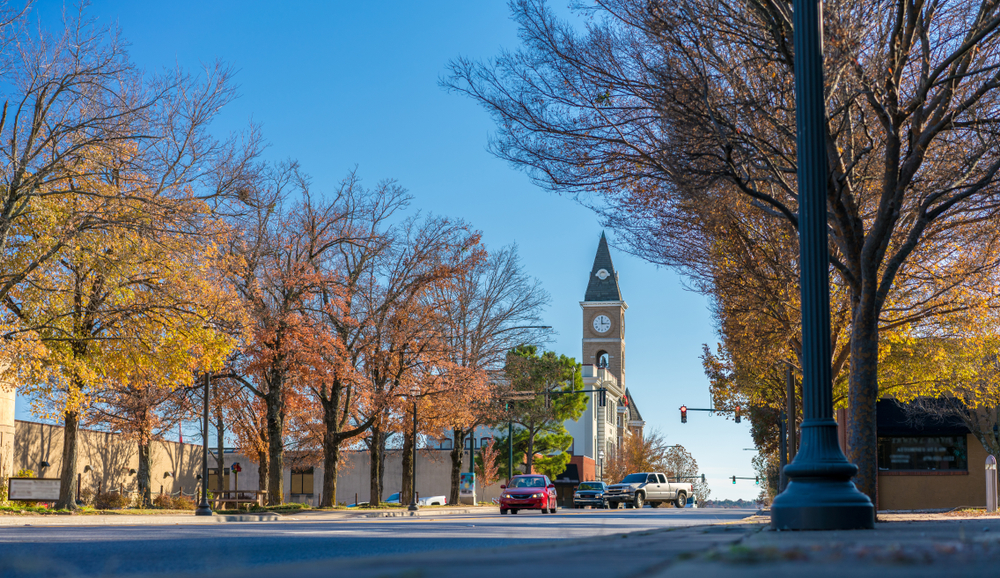
Northwest Arkansas has quietly transformed into a cultural and economic hub anchored by major employers and philanthropic investment. Towns like Bentonville and Fayetteville offer walkable downtowns, strong healthcare systems, and access to outdoor recreation without the price tag of larger metros. Seniors with assets appreciate the combination of low property taxes and expanding amenities.
The region also benefits from strong medical infrastructure and growing airport access. It feels established but not oversaturated. Financially secure retirees see long-term stability rather than speculative growth.
2. Greenville, South Carolina
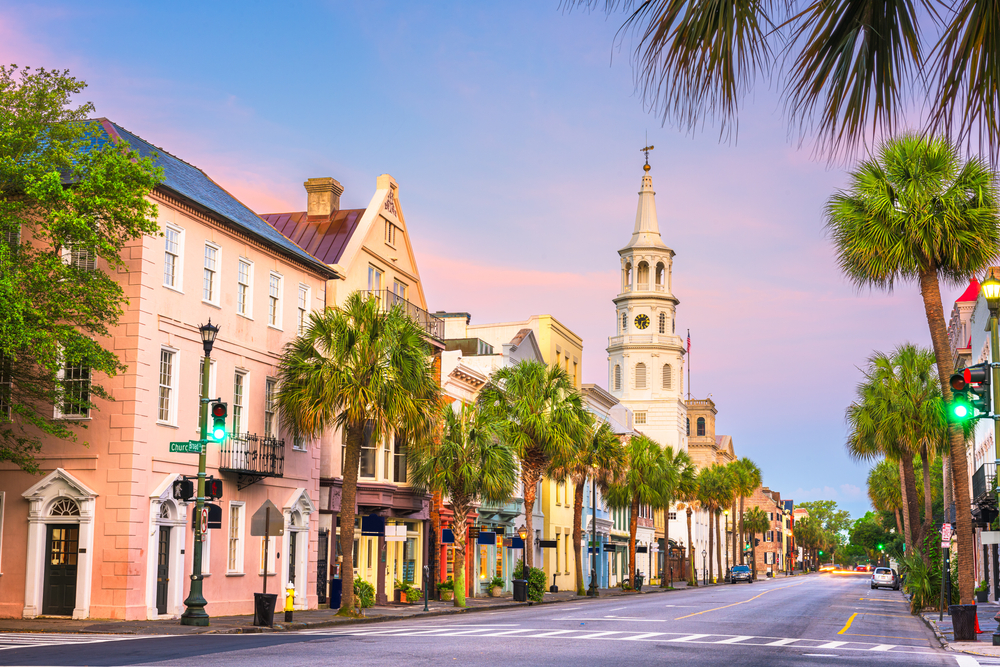
Greenville blends small-city charm with real economic momentum. Its revitalized downtown, healthcare systems, and proximity to the Blue Ridge Mountains make it appealing without being overwhelming. Property prices remain moderate compared to coastal hotspots.
The region attracts retirees who want mild seasons and cultural access without resort pricing. It offers substance over flash. Many see it as livable rather than trendy.
3. The Texas Hill Country
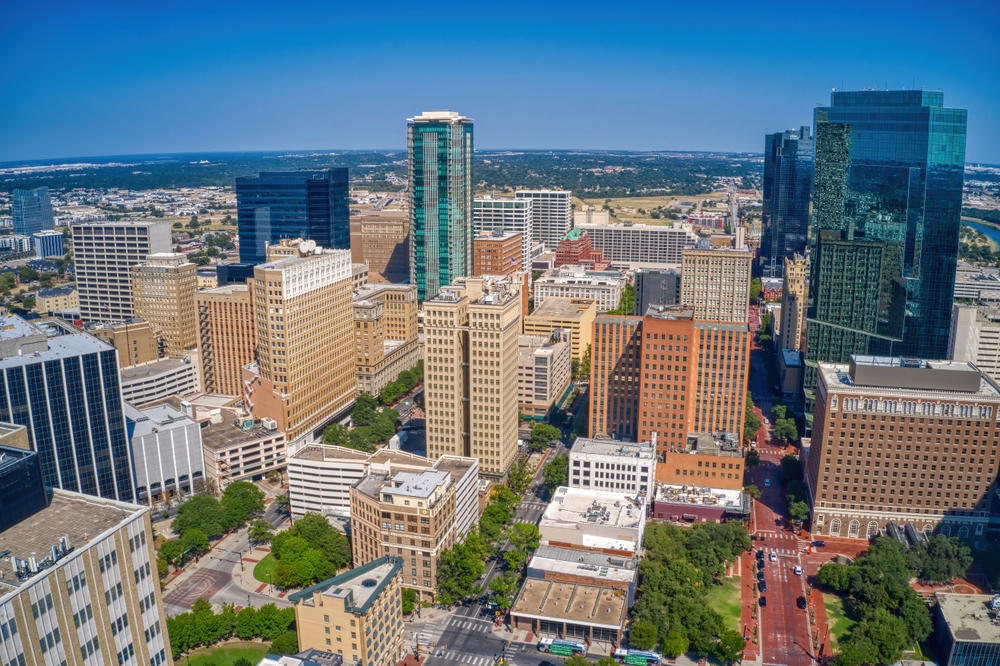
Areas around Fredericksburg and Boerne are drawing seniors who want scenic beauty without major urban density. Texas’ lack of state income tax appeals to those managing retirement withdrawals. The Hill Country offers slower pacing with proximity to Austin and San Antonio for healthcare.
The landscape provides space and privacy. It feels rural without being remote. Financially secure retirees often prioritize that balance.
4. Northern Michigan (Traverse City Region)

Traverse City offers lake access, cooler summers, and a strong healthcare network. For retirees who prefer four seasons without deep urban stress, it provides natural beauty and moderate housing relative to other waterfront markets. The area attracts those prioritizing lifestyle over sunbelt migration.
Winters remain real, but manageable for those prepared. Cultural festivals and wineries add vibrancy. It feels authentic rather than manufactured.
5. Chattanooga, Tennessee

Chattanooga has positioned itself as a quiet success story with strong infrastructure and no state income tax on wages. Outdoor recreation, walkable neighborhoods, and a revitalized riverfront attract retirees who value activity and access. Healthcare systems are steadily improving.
The city remains more affordable than Nashville or Atlanta. It offers manageable size with real amenities. Financially secure seniors appreciate the blend of tax structure and livability.
6. Reno, Nevada

Reno offers tax advantages without the nonstop energy of Las Vegas. Proximity to Lake Tahoe and outdoor recreation draws retirees who want scenery and access without coastal pricing. Nevada’s lack of state income tax remains a draw.
The city has diversified beyond gaming into tech and logistics. That economic base adds stability. It feels pragmatic rather than flashy.
7. Asheville’s Surrounding Counties, North Carolina
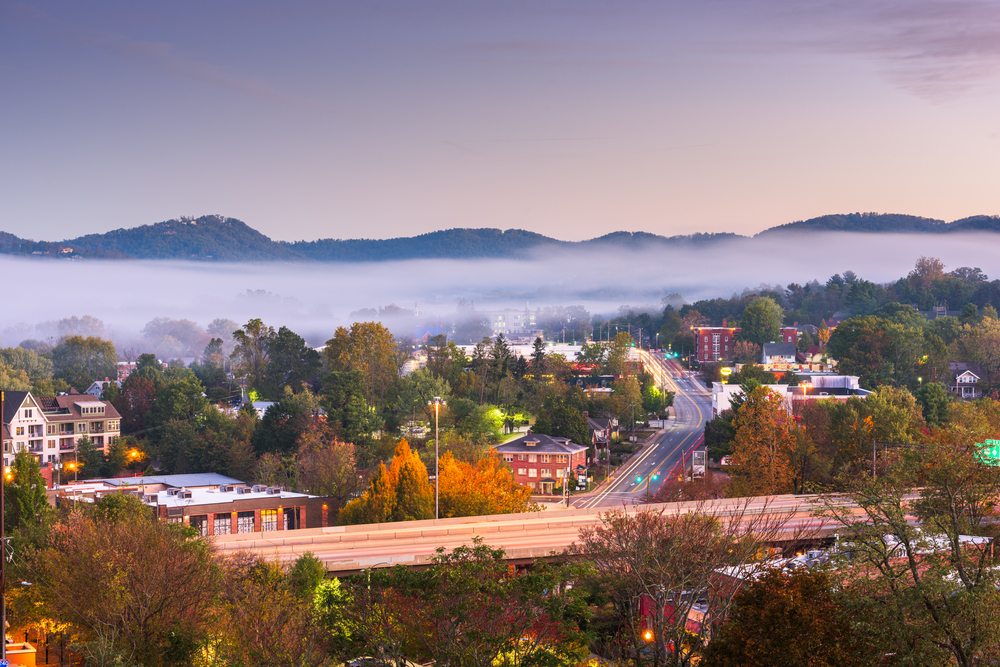
While Asheville itself has become expensive, surrounding counties provide more space and slightly lower entry points. Retirees are moving just outside the urban core while still accessing healthcare and cultural amenities. The mountain setting remains a powerful pull.
Financially secure seniors often seek views without downtown congestion. The area offers community with breathing room. It rewards those willing to look just beyond the obvious zip codes.
8. Southern Delaware

Delaware’s tax structure quietly favors retirees. Southern coastal towns provide beach access without Florida’s hurricane frequency. Proximity to major East Coast cities allows easy visits from family.
Healthcare systems are solid for a smaller state. The region feels established rather than speculative. Many seniors appreciate its understated stability.
9. The Boise Foothills (Selective Neighborhoods)
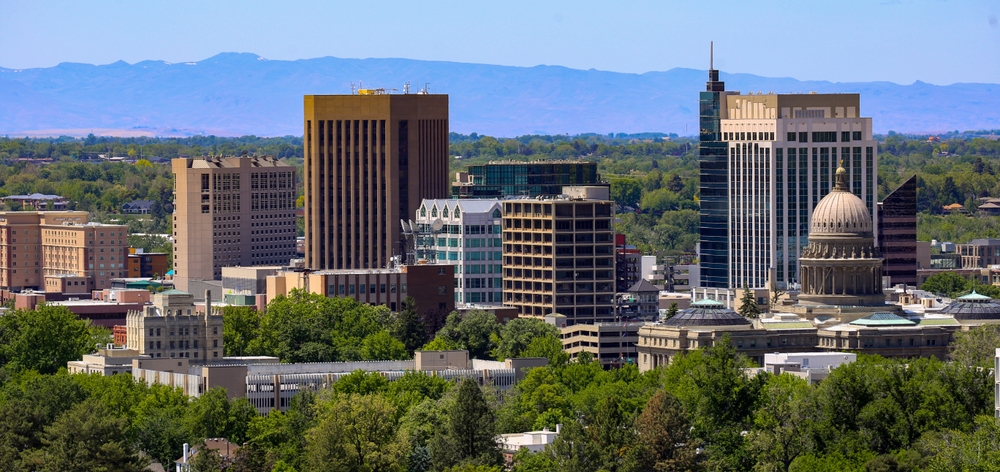
While Idaho has seen explosive growth, certain foothill neighborhoods remain attractive to financially secure retirees who purchased early or can pay cash. The appeal lies in access to outdoor recreation, manageable size, and relative tax advantages. Seniors are choosing carefully within the region.
The growth comes with trade-offs, but infrastructure remains strong. Those with financial flexibility navigate it successfully. It remains a strategic move rather than an impulse relocation.
10. Huntsville, Alabama

Huntsville combines a strong aerospace and tech economy with relatively low housing costs compared to similar employment hubs. Healthcare infrastructure continues to expand alongside population growth. Seniors see long-term viability rather than short-term speculation.
The region avoids resort-town pricing. It offers substance in economic diversity. Financially secure retirees often look for exactly that.
11. The Finger Lakes Region, New York

The Finger Lakes attract retirees who value scenery, wineries, and a slower pace without extreme isolation. While New York taxes are higher than Sunbelt states, financially secure seniors often offset that with lifestyle and proximity to family. The region offers natural beauty without overwhelming density.
Healthcare in larger nearby cities remains accessible. Summers are mild and appealing. It rewards those who prioritize quality over tax minimization alone.
12. Coastal Maine (Select Towns)
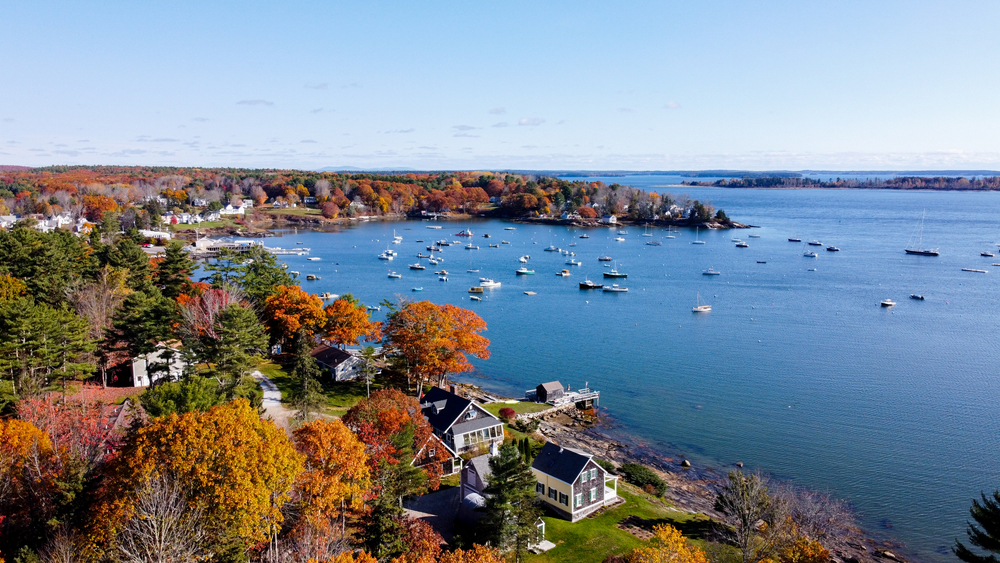
Certain coastal Maine towns draw financially secure retirees seeking quiet, maritime living with strong community identity. While winters are serious, summers offer unmatched coastal climate without Southern humidity. The area appeals to those comfortable with seasonality.
Healthcare access varies but is manageable in select regions. The appeal lies in authenticity and long-term stability. It attracts people who want substance, not spectacle.
This article is for informational purposes only and should not be construed as financial advice. Consult a financial professional before making investment or other financial decisions. The author and publisher make no warranties of any kind.