


Some shopping habits lasted for decades and then vanished so quickly it feels like someone flipped a switch. What used to be routine, even automatic, now feels outdated or strangely inconvenient. Technology, convenience, and shifting priorities rewrote the rules of consumer behavior almost overnight. Here are the habits that quietly disappeared while most of us were not paying attention.
1. Writing Paper Checks at the Grocery Store
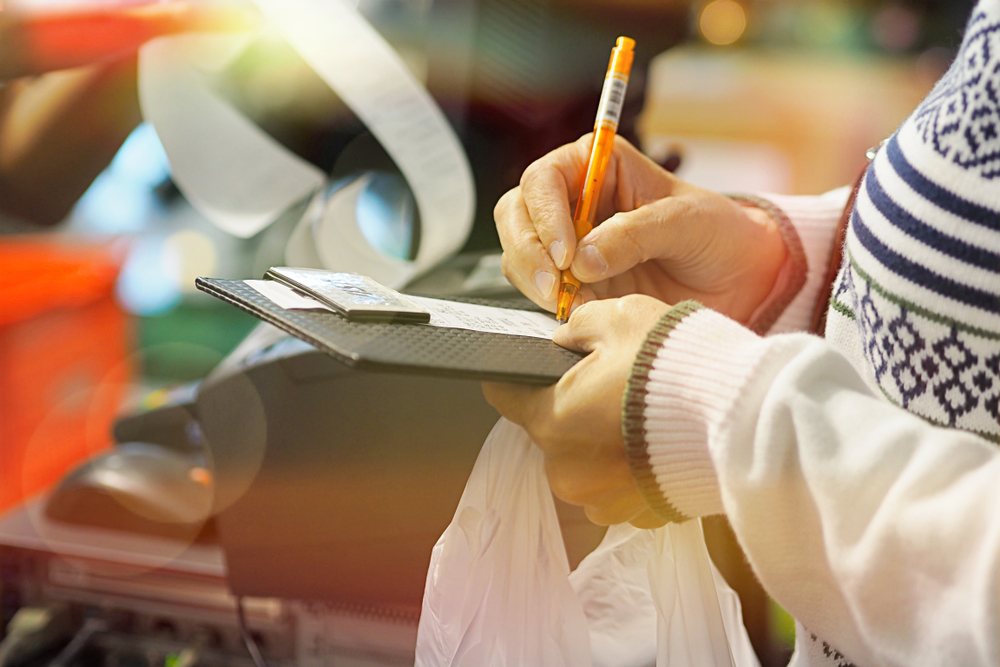
There was a time when checkout lines stalled while someone carefully filled out a paper check. You had to write the date, the amount, sign your name, and sometimes show ID. It felt completely normal.
Now it feels almost ceremonial. Contactless payments and debit cards replaced the ritual in a matter of years. What once required a checkbook now takes a phone tap.
2. Laying Away Big Purchases Months in Advance

Layaway counters used to hum before the holidays. Families would put toys, appliances, or clothing aside and make small payments over time. It was budgeting in its simplest form.
Credit cards and buy-now-pay-later apps made layaway feel slow and unnecessary. Instant gratification replaced patient planning. Stores quietly eliminated entire departments dedicated to it.
3. Waiting for Sunday Newspaper Circulars

Sunday mornings meant flipping through thick stacks of coupons and store ads. Families planned entire shopping trips around printed deals. Those glossy inserts shaped weekly budgets.
Digital coupons and app notifications erased the ritual. Deals now arrive through push alerts instead of newsprint. The coffee-table coupon stack disappeared almost without notice.
4. Renting Movies at Physical Stores
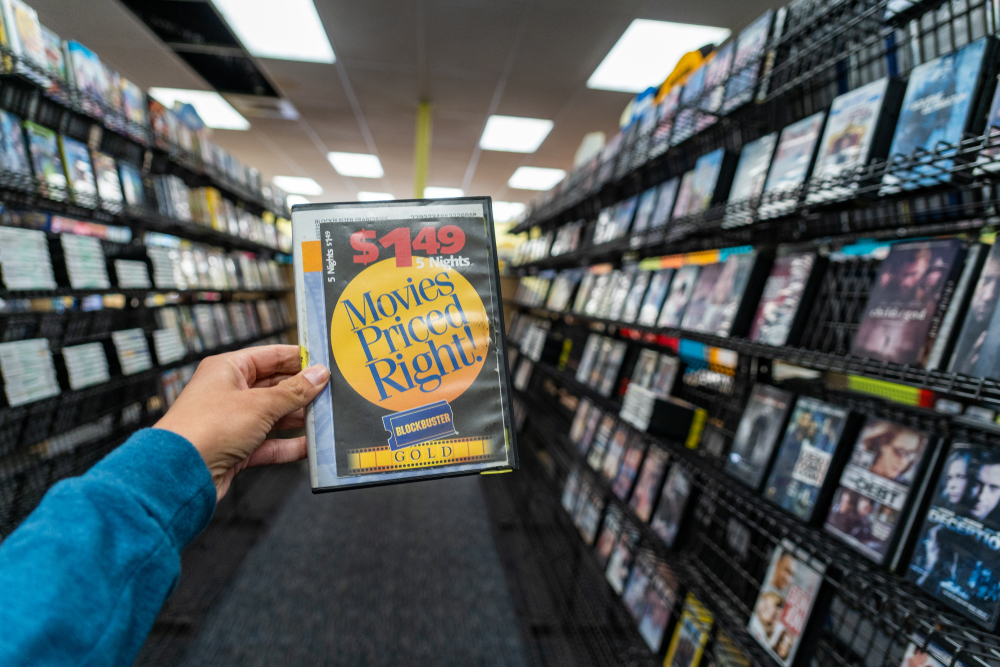
Friday night once meant a trip to the video rental store. People browsed aisles, argued over choices, and hoped the latest release was still in stock. Late fees were a real threat.
Streaming eliminated the errand entirely. The idea of driving somewhere to pick up a movie now feels oddly inconvenient. Entire chains vanished in less than a decade.
5. Comparison Shopping by Driving Store to Store

Before smartphones, price comparison meant physically visiting multiple stores. Shoppers burned gas just to check tags and evaluate deals. It required time and patience.
Now a quick search reveals dozens of options instantly. Algorithms replaced windshield tours. The multi-store Saturday hunt is largely gone.
6. Calling Stores to Ask About Inventory

People used to call ahead to see if an item was in stock. Employees checked shelves manually and reported back over the phone. It was a normal part of buying something specific.
Online inventory tracking replaced the need for that human interaction. Real-time stock visibility changed expectations. Customers now assume instant accuracy before leaving home.
7. Carrying Store Credit Cards for Discounts

Department store credit cards once felt essential. Signing up at checkout for ten percent off was common practice. Wallets filled with branded plastic.
Today, shoppers are more cautious about interest rates and credit impact. Rewards programs shifted to apps and universal cards. The store-card culture shrank rapidly.
8. Mailing Order Forms From Catalogs

Catalog shopping required circling items, filling out forms, and mailing checks. Weeks passed before packages arrived. It demanded patience and trust.
E-commerce compressed that timeline to days or hours. Clicking replaced clipping and stamping. Thick seasonal catalogs that once dominated coffee tables are now rare.
9. Using Cash as the Default Payment Method
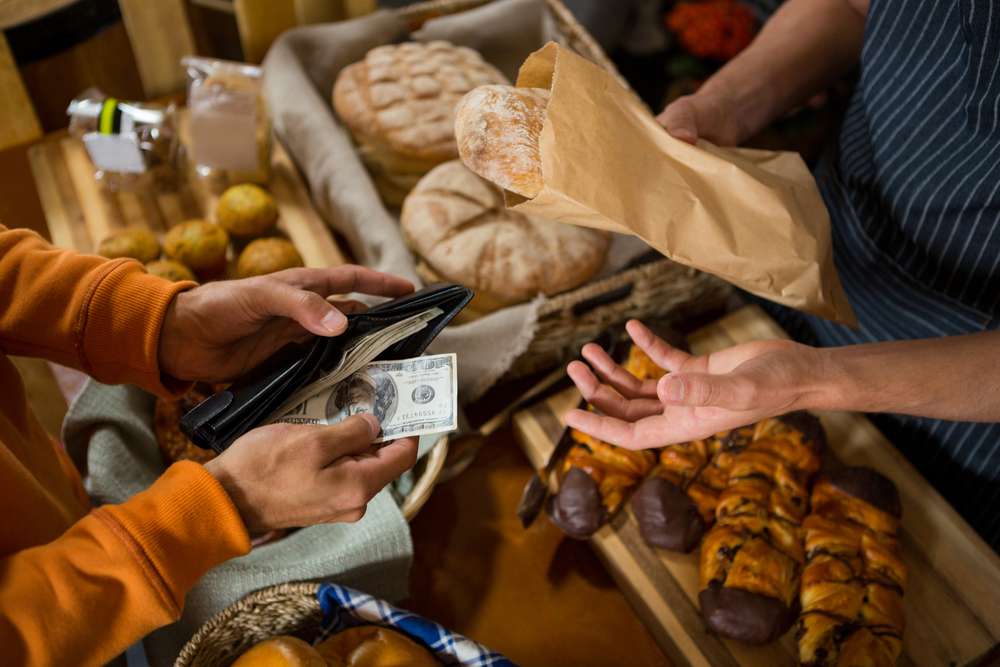
Cash used to dominate everyday transactions. People budgeted with envelopes and physical bills. Digital payments were rare.
Contactless technology and mobile wallets changed behavior quickly. Many stores now operate almost cash-free. The tactile habit of counting bills is fading.
10. Shopping Without Reading Reviews

There was a time when product choices relied on brand reputation and salesperson advice. You bought based on instinct or advertising. Reviews were not part of the equation.
Online ratings transformed buying psychology. Shoppers now hesitate without dozens of opinions guiding them. Blind purchasing became a rarity.
11. Waiting in Line for Ticket Releases
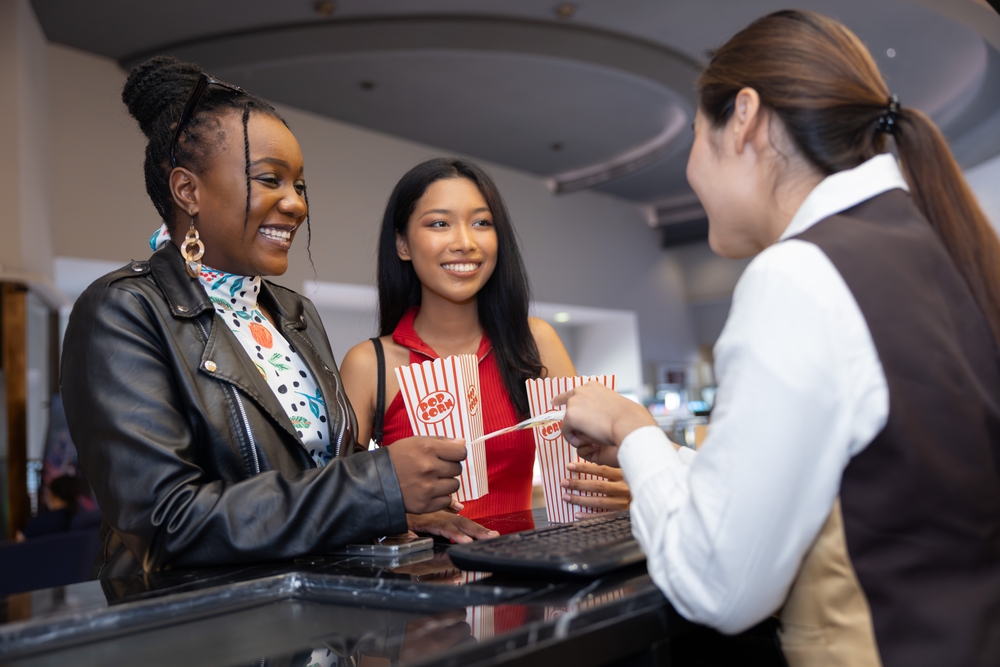
Concert tickets and event passes once required lining up outside stores. People camped overnight to secure seats. It was a physical competition.
Online ticketing eliminated the sidewalk lines. The rush moved to digital queues instead. The social ritual of waiting together disappeared.
12. Buying Extended Warranties Automatically

Salespeople once routinely upsold extended warranties on electronics. Many buyers agreed out of habit or fear. It felt like responsible planning.
Today, online reviews and consumer education changed the conversation. Shoppers research product reliability beforehand. The automatic warranty add-on is no longer a default reflex.
This article is for informational purposes only and should not be construed as financial advice. Consult a financial professional before making investment or other financial decisions. The author and publisher make no warranties of any kind.