


For many families, wealth does not live in investment portfolios or business holdings. It lives in drywall, foundation, and property lines. When most of a family’s financial stability is concentrated in their home, certain patterns quietly show up over time.
1. The Mortgage Is Their Largest Asset

The home represents the overwhelming majority of net worth. Savings accounts and brokerage balances are small compared to equity. Most financial confidence rises and falls with property value.
When housing prices climb, they feel wealthier. When the market dips, anxiety increases. Their balance sheet is built on a single structure.
2. Renovations Are Treated Like Investments
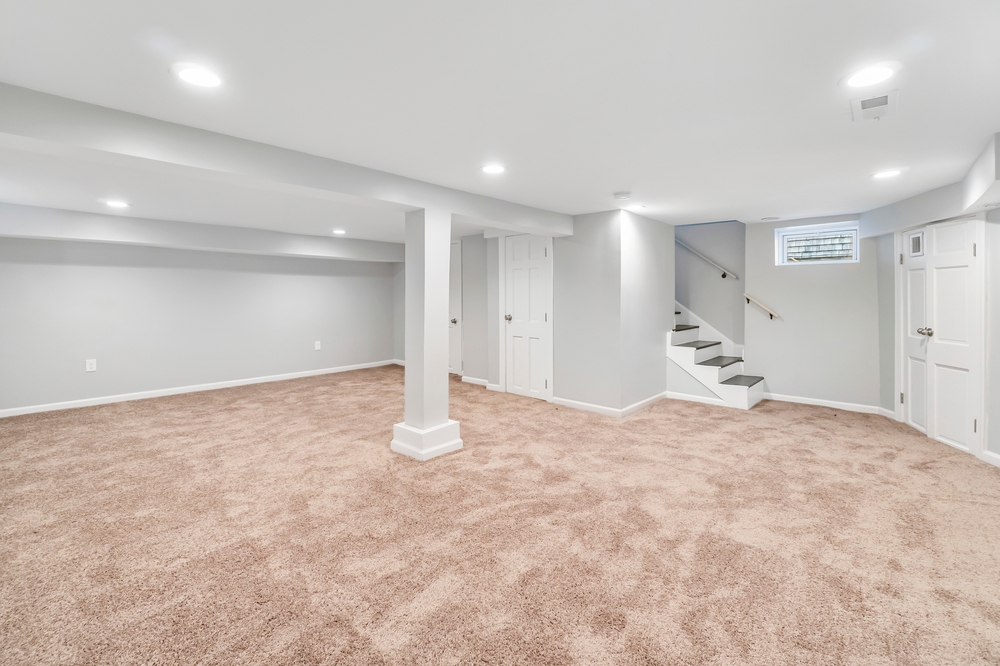
Every upgrade is justified by resale value rather than personal enjoyment. Kitchen remodels are discussed in terms of return on investment. Even landscaping decisions are framed around appraisal impact.
Home improvements double as wealth strategy. The house is not just shelter but a financial vehicle. Every dollar spent is measured against future equity.
3. Limited Liquid Savings

Emergency funds are thinner than expected for their income level. Cash reserves often lag behind mortgage balances. Liquidity is secondary to equity.
If a sudden expense arises, they may need to borrow. Selling or refinancing becomes the fallback. Their wealth is not easily accessed.
4. Frequent Equity Conversations

They track home value obsessively. Real estate apps are checked regularly. Market updates feel personal.
Price changes trigger emotional responses. Property appreciation becomes a scoreboard. Their financial identity is tied to Zestimate fluctuations.
5. Home Equity Loans Fund Major Expenses

College tuition, renovations, and even debt consolidation come from tapping equity. The house functions like a financial backstop. Borrowing against it feels normal.
Rather than using investments or cash savings, they leverage walls and rooflines. Equity becomes a revolving credit source. The home funds life milestones.
6. Reluctance to Relocate

Moving feels financially risky. Even attractive job offers are weighed against giving up a low mortgage rate. The house anchors decision-making.
Selling would mean losing their primary asset. The emotional attachment is partly financial. Stability is tied to staying put.
7. Minimal Diversified Investments

Retirement accounts exist but are not heavily funded. Brokerage accounts are modest. Real estate dominates the portfolio.
Market downturns outside housing feel distant. Property remains the main pillar. Diversification is limited.
8. Inheritance Plans Center on the Property

Estate discussions focus heavily on who receives the house. The property is viewed as the main legacy. Liquid assets are secondary.
The home carries generational symbolism and financial weight. It is the inheritance centerpiece. Family wealth equals home equity.
9. Insurance Coverage Reflects Asset Concentration

Homeowners insurance is reviewed more carefully than other policies. The property is protected meticulously. It represents too much of their wealth to risk gaps.
Deductibles are chosen strategically. Coverage upgrades are prioritized. The house is treated like a vault.
10. Downsizing Feels Like a Financial Event

Selling and moving to a smaller property is framed as “unlocking equity.” The transition is less about lifestyle and more about capital release. It feels like a portfolio reallocation.
Equity extraction becomes retirement funding. The home transforms from residence to payout. Wealth shifts but remains property-based.
11. Renovation Debt Is Considered “Safe”

Loans tied to home improvements feel acceptable. Mortgage-backed borrowing is seen as strategic. Debt attached to the house feels less risky.
Other types of borrowing feel more uncomfortable. The property justifies leverage. It anchors financial decisions.
12. Property Taxes Shape Financial Stress

Tax increases trigger noticeable concern. Rising assessments directly affect monthly budgets. The wealth concentration creates sensitivity to local policy changes.
Property-related expenses carry outsized impact. Their finances hinge on housing costs. The home’s value both supports and strains them.
13. Retirement Timing Depends on Home Equity

Retirement planning assumes selling or refinancing the house. The exit strategy includes property liquidation. The home becomes a pension substitute.
Without equity growth, retirement feels uncertain. The timeline is linked to market conditions. Housing appreciation is part of the plan.
14. Net Worth Fluctuates With Real Estate Cycles

When housing booms, they feel financially secure. When prices soften, they feel vulnerable. Paper wealth drives confidence.
Their balance sheet rides the market wave. The family’s wealth is not broadly spread. It is rooted in a single address.
This article is for informational purposes only and should not be construed as financial advice. Consult a financial professional before making investment or other financial decisions. The author and publisher make no warranties of any kind.