


Breaking spending habits proves more difficult than most people expect, not simply because of weak willpower but because these patterns serve psychological needs, provide social connection, or have become so automated that they operate below conscious awareness. Financial experts consistently identify certain spending behaviors as particularly resistant to change, even when people recognize they’re financially harmful. Understanding why these habits persist despite intentions to change can help address the underlying drivers rather than just fighting the symptoms.
1. Daily Coffee and Convenience Food Purchases

The daily coffee shop stop or grab-and-go lunch feels insignificant in the moment—$5 or $7 doesn’t seem worth worrying about. Yet these micro-purchases add up to thousands annually while remaining nearly impossible to eliminate because they’re woven into daily routines and social patterns. The coffee run provides structure to the morning, a break from work monotony, and often serves as social time with coworkers or a moment of personal comfort.
Financial advisors point out that telling someone to “just make coffee at home” misses why the habit persists—it’s not about the coffee, it’s about the ritual, the third space between work and home, and the small luxury that makes the day feel more manageable. People who successfully quit often don’t eliminate the spending entirely but rather reduce frequency or find cheaper alternatives that preserve the psychological benefits. Those who try to stop cold turkey typically resume within weeks because they never addressed what the spending was actually providing beyond caffeine.
2. Subscription Service Accumulation
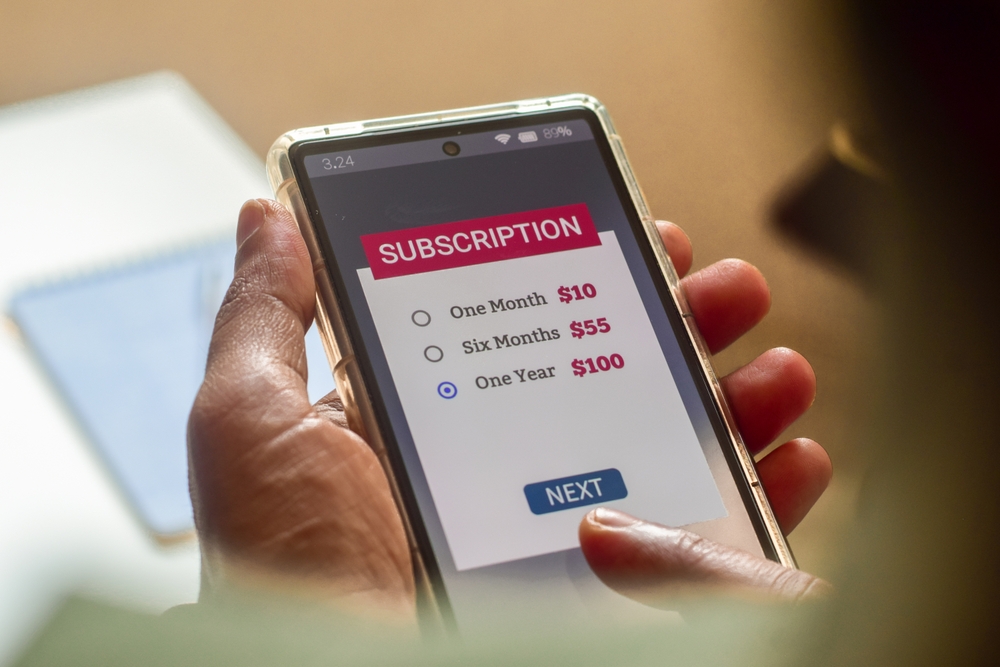
Streaming services, app subscriptions, meal kits, subscription boxes, and membership fees quietly drain accounts month after month, often long after the service provides real value. The habit is hard to break because each subscription seems cheap—$10 or $15 monthly feels negligible—and the hassle of canceling, combined with fear of losing access, keeps people paying. Many literally forget what they’re subscribed to, only discovering zombie subscriptions when reviewing bank statements.
What makes this particularly insidious is the psychological accounting trick: people evaluate each subscription individually rather than seeing the collective $200-500 monthly drain. The accumulated subscriptions often provide less satisfaction than a single intentional purchase would, but the distributed nature makes them feel harmless. Experts note that even people who conduct subscription audits tend to reaccumulate services within months, as companies make signing up effortless and canceling deliberately difficult.
3. Shopping as Stress Relief or Entertainment

Using shopping to manage difficult emotions—boredom, stress, sadness, anxiety—creates a powerful psychological loop that’s extremely difficult to interrupt. The temporary mood boost from purchasing something new provides real neurological rewards, releasing dopamine in ways that make the behavior genuinely addictive. Online shopping has intensified this pattern by making the behavior accessible 24/7 from anywhere, eliminating even the friction of having to go to a store.
Financial therapists explain that this habit resists change because the person needs the emotional regulation that shopping provides, and without developing alternative coping mechanisms, they simply return to the familiar pattern. Telling someone to “just stop emotional spending” is like telling someone with anxiety to “just relax”—it doesn’t address the underlying need. Successful change requires identifying what emotions trigger shopping, developing other regulation strategies, and often addressing deeper issues around self-worth, control, or unmet needs that shopping temporarily soothes.
4. Keeping Up with Social Circles

Spending to maintain social relationships and participate in group activities feels nonnegotiable because it’s tied to belonging and identity. When your friend group regularly does expensive dinners, destination trips, or costly activities, opting out risks social isolation and being left behind. The spending serves real social needs, making it genuinely difficult to reduce even when it strains budgets.
This habit is particularly hard to break because the alternative—finding new friends with different spending patterns or constantly declining invitations—carries real social costs. People often continue spending beyond their means specifically to maintain relationships, and the emotional pain of isolation feels worse than the financial stress. Financial experts note that this pattern often only breaks through major life transitions—moves, job changes, or relationship shifts—that naturally disrupt social patterns, or through honest conversations with friends that reveal others are also struggling with the spending expectations.
5. Upgrading and Replacing Before Necessary

The habit of replacing electronics, wardrobes, furniture, or cars before they’re actually worn out or broken is driven by both marketing and the psychological appeal of novelty. A phone that works fine gets replaced because a new model launched, or a wardrobe gets refreshed seasonally despite having functional clothes. The upgrade cycle creates a treadmill of continuous spending that feels normal because everyone else is doing it.
Behavioral economists point out that this habit exploits the human tendency to overweight marginal improvements while underweighting costs—the slightly better camera or somewhat more fashionable style seems worth the expense in the moment. The difficulty in breaking this pattern stems from social comparison and the hedonic adaptation that makes current possessions feel inadequate once you’re aware that something better exists. People who successfully quit this habit often need to actively avoid marketing, unfollow influencers, and consciously practice gratitude for current possessions.
6. Treating Yourself for Achievements or Hard Days

The “I deserve this” purchase pattern—rewarding yourself for accomplishments or compensating for difficult days—creates an association between spending and self-care that’s deeply resistant to change. This habit is reinforced by cultural messages that self-care involves purchasing things and that working hard entitles you to rewards. The spending feels morally justified, which removes the guilt that might otherwise moderate the behavior.
Financial psychologists note that this pattern is particularly stubborn because it’s tied to identity and self-esteem—denying yourself the “deserved” purchase feels like denying your own worth or invalidating your efforts. The habit often increases during stressful periods when people most need to reduce spending, creating a destructive pattern. Breaking it requires separating self-worth from spending and developing non-commercial ways to celebrate achievements and provide comfort, but this feels like deprivation when the spending pattern is deeply established.
7. Last-Minute Convenience Spending

The habit of paying premium prices for convenience—expedited shipping, delivery fees, rideshares instead of public transit, prepared food instead of cooking—adds hundreds of dollars monthly to expenses while being nearly impossible to eliminate. These purchases happen in moments of time pressure, exhaustion, or poor planning, and telling someone to “just plan better” doesn’t address the reality of chaotic modern life, especially for parents or people working multiple jobs.
This spending pattern persists because it solves real problems—limited time, mental exhaustion, and competing demands—and the alternatives require changes to entire lifestyle structures, not just individual decisions. Someone working long hours with a difficult commute genuinely doesn’t have time to cook from scratch every night, and suggesting they should ignores the structural issues driving the spending. Experts note that reducing convenience spending typically requires systemic life changes—job shifts, moving closer to work, or relationship renegotiations around domestic labor—rather than simple budgeting discipline.
8. Hobby and Interest Spending

Spending on hobbies, interests, and passions is particularly resistant to reduction because it’s tied to identity and provides genuine fulfillment. Whether it’s cycling equipment, craft supplies, gaming, or collecting, these purchases feel like investments in who you are rather than frivolous spending. The hobby community often reinforces the spending through gear culture, upgrade cycles, and the implication that serious participants invest in quality equipment.
Financial advisors struggle with this category because the spending does provide real value—hobbies offer stress relief, skill development, social connection, and meaning. The problem is when the spending outpaces the actual participation or when multiple hobbies each demand investment. People often resist cutting hobby spending even when it’s clearly excessive because it feels like cutting part of their identity. Successful moderation usually involves choosing one or two primary hobbies and accepting that you can’t fully engage with every interest, a limitation many people find psychologically difficult to accept.
9. Aspirational Purchases

Buying items for the person you want to be rather than who you currently are—expensive workout equipment for the fitness routine you’ll start, professional clothes for the career you’re building toward, books you intend to read—creates spending on unrealized futures. These purchases feel like investments in self-improvement, which provides psychological justification even as the items go unused. The gym membership, the language learning app, the art supplies all represent hope and intention, making them emotionally difficult to cancel.
Behavioral experts explain that aspirational purchases provide the emotional satisfaction of progress without requiring the actual work of change. Buying the running shoes feels like becoming a runner, temporarily satisfying the desire for transformation. The pattern is hard to break because it serves an emotional need for hope and identity, and confronting the unused purchases means confronting the gap between aspirations and reality. People often continue making aspirational purchases even while surrounded by evidence from previous failed attempts, because each new purchase represents renewed hope.
10. Gifting and Generosity Spending

Spending on gifts, treating friends and family, picking up checks, and general generosity proves extremely difficult to moderate because it’s tied to relationships, identity as a generous person, and cultural expectations around showing love through giving. People often overspend on gifts out of guilt, competition with other gift-givers, or fear that cheaper gifts signal insufficient affection. The spending feels morally good, making it psychologically difficult to reduce even when it creates financial strain.
This pattern is particularly stubborn because attempts to reduce it can damage relationships and self-image. Telling a mother she should spend less on her children’s birthdays or a friend she shouldn’t always pick up the check conflicts with deeply held values about love and generosity. Financial therapists note that this spending often masks relationship issues—people substitute expensive gifts for time and attention, or use generosity to maintain relationships where genuine reciprocity is lacking. Breaking the pattern requires addressing these underlying dynamics, not just budgeting discipline.
11. Small Impulse Purchases

The under-$20 impulse buy—items added to online carts, grabbed at checkout, or purchased while browsing stores—accumulates to substantial spending while remaining invisible to budgets because each individual purchase seems insignificant. These purchases happen in moments of boredom, mild desire, or simply because the friction to buying is nearly zero. Payment systems designed for effortless transactions have made impulse spending easier than ever, eliminating even the minor deterrent of pulling out a wallet.
What makes this habit nearly impossible to break is its distributed, low-stakes nature—no single purchase feels worth worrying about, but collectively they can total hundreds monthly. People who successfully reduce other spending categories often continue bleeding money through impulse purchases because they’re not emotionally significant enough to notice or remember. Experts point out that this pattern has intensified with one-click purchasing and saved payment information, as the behavior operates below the threshold of conscious decision-making. Breaking the habit requires introducing friction—removing saved payment methods, implementing waiting periods, or using cash—but most people resist these measures because they create inconvenience and acknowledge the lack of self-control.
This article is for informational purposes only and should not be construed as financial advice. Consult a financial professional before making investment or other financial decisions. The author and publisher make no warranties of any kind.