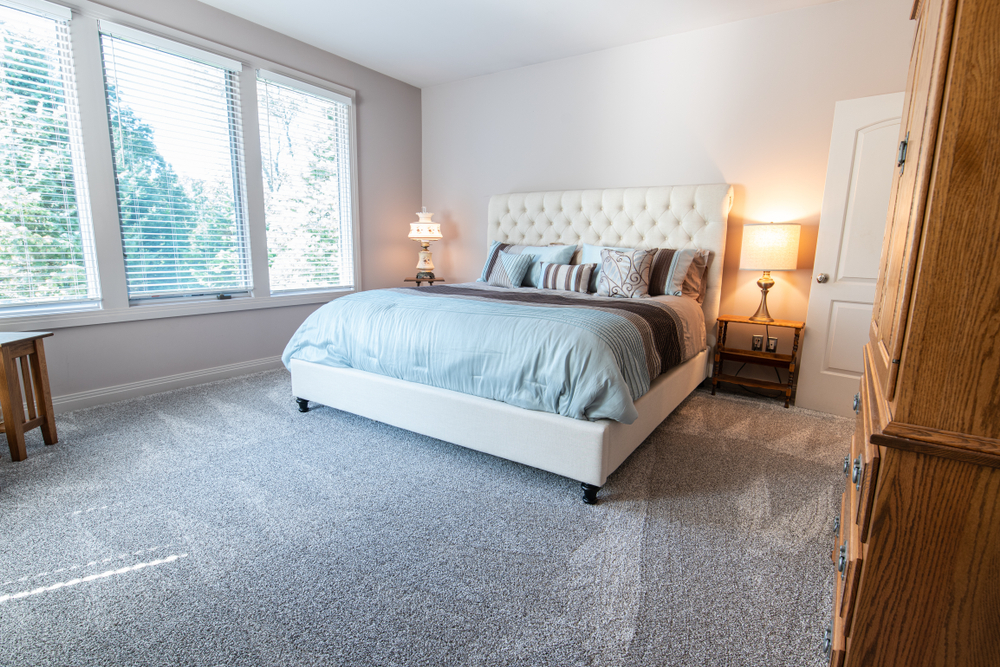

The starter home used to be the first step onto the property ladder. It was modest, practical, and affordable enough for young families to build equity before moving up. In 2026, that rung is quietly disappearing, and the conversation around it feels strangely muted. What looks like a tight market on the surface is actually a structural shift reshaping who gets to own property at all.
1. Builders Stopped Constructing Small Homes Years Ago
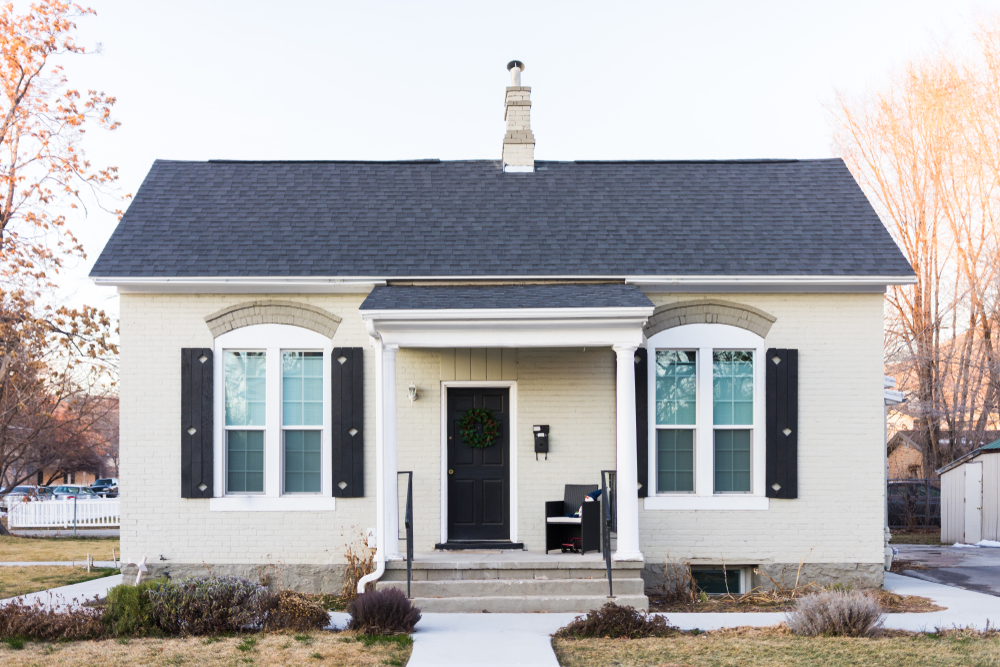
Developers have shifted toward larger, higher-margin homes because land, labor, and materials cost too much to justify smaller builds. A 1,200-square-foot house does not generate the same profit as a 2,800-square-foot one, even though the permitting and infrastructure costs are similar. That math quietly pushed starter homes out of new construction plans.
Local zoning often reinforces this trend by favoring larger lots and single-family layouts. The result is fewer small, entry-level properties entering the pipeline. When supply stops flowing, prices on existing homes climb quickly.
2. Institutional Investors Are Buying Entry-Level Inventory
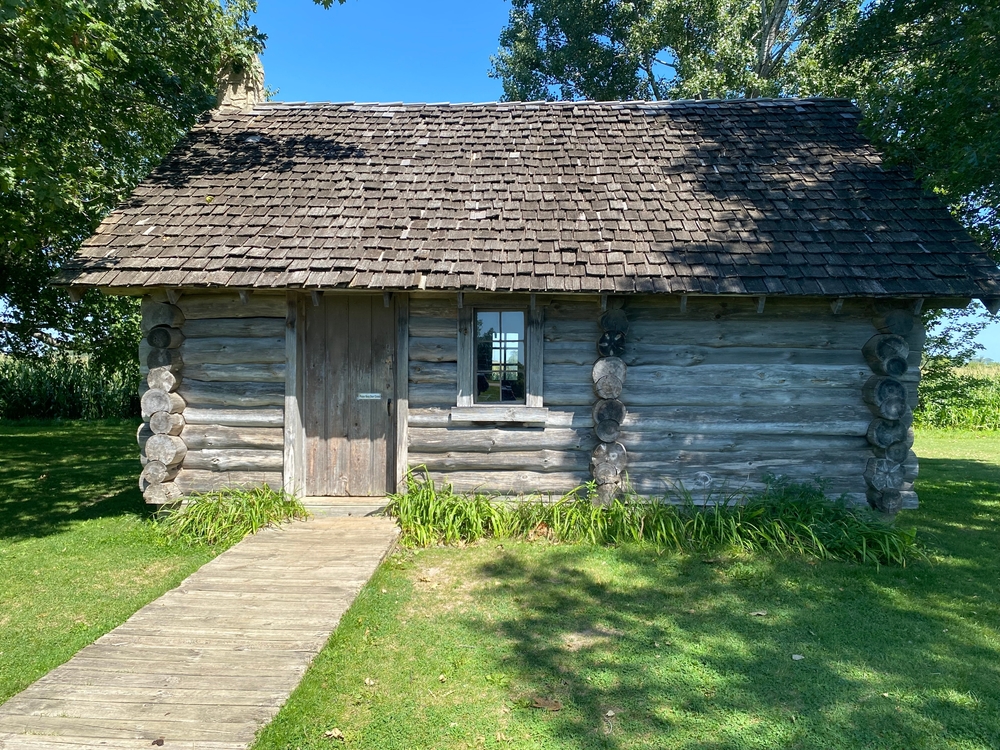
Private equity firms and institutional landlords target lower-priced homes because they convert easily into rentals. Cash offers beat financed buyers almost every time. First-time buyers often lose before negotiations even begin.
Once these homes shift to rental portfolios, they rarely return to the resale market. That permanently reduces the supply available to individuals. Over time, ownership opportunities shrink.
3. Existing Owners Are Not Selling
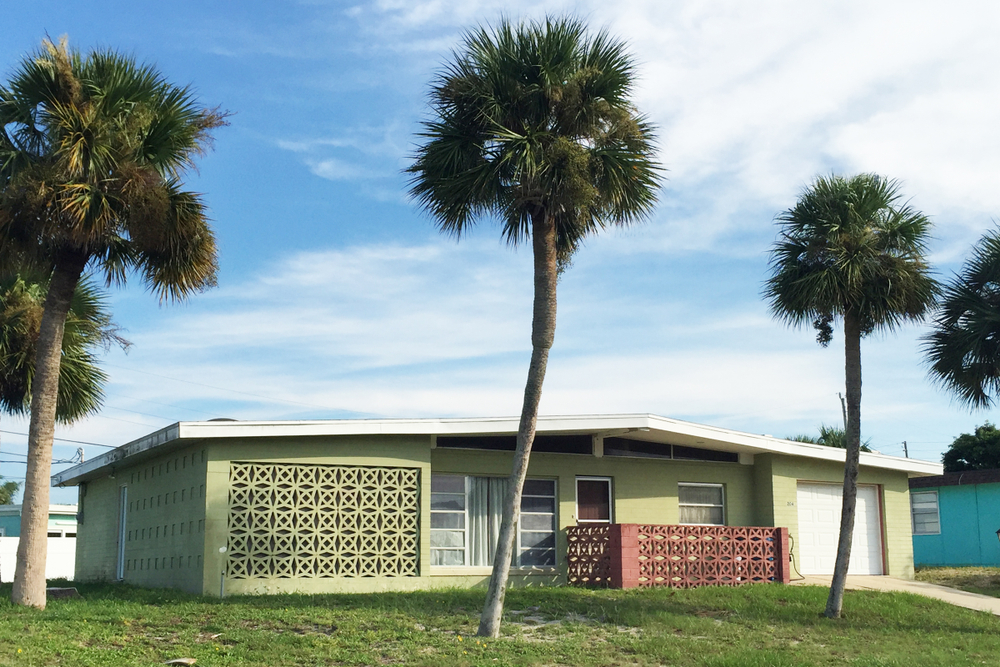
Millions of homeowners refinanced into ultra-low mortgage rates between 2020 and 2022. Selling would mean giving up a 3 percent mortgage for one closer to 7 percent. That financial penalty keeps many in place.
Starter homes that would normally cycle back into the market remain locked. Fewer listings mean intense competition for what remains. Inventory tightens even without visible panic.
4. Zoning Laws Block Affordable Density
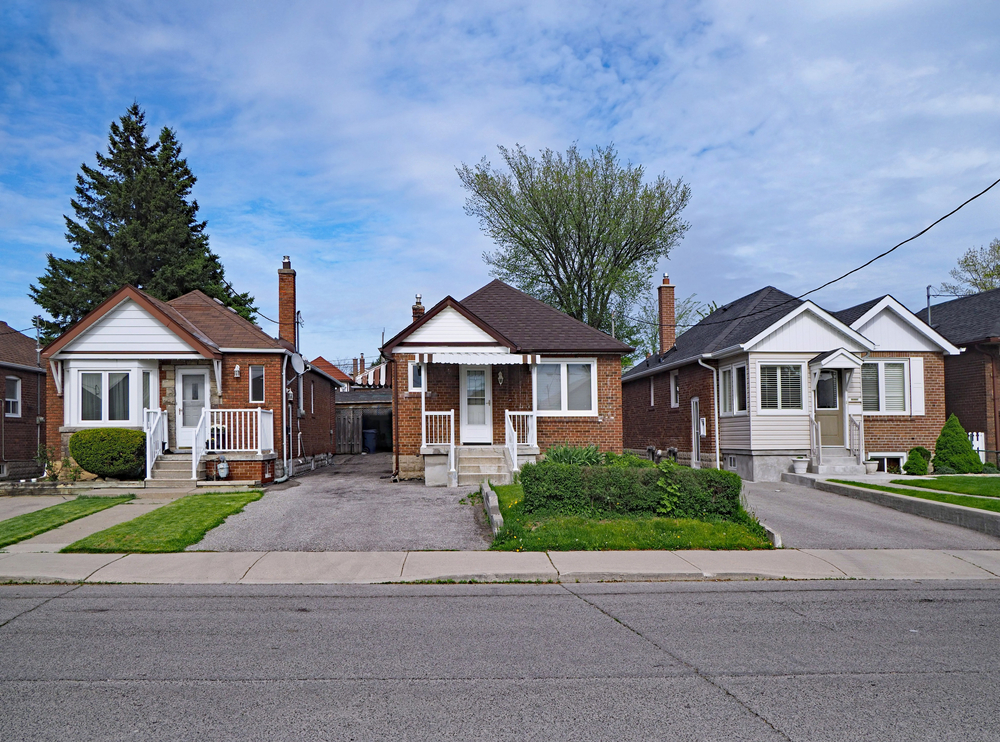
Many cities restrict multi-unit housing or small-lot development. Duplexes, townhomes, and modest infill properties face lengthy approval processes. Community opposition often slows projects even further.
These policies protect neighborhood character but restrict affordable supply. Entry-level buyers feel the consequences. Without density, prices cannot moderate.
5. Construction Costs Never Reset After Inflation
Material costs spiked in the early 2020s and never fully returned to pre-pandemic levels. Labor shortages continue pushing wages higher in construction trades. Builders pass those costs to buyers.
Smaller homes no longer feel “cheap” to produce. Profit margins disappear unless prices rise significantly. That eliminates the economic incentive to build basic starter houses.
6. Mortgage Rates Changed Affordability Overnight

Higher interest rates dramatically reduce purchasing power. A home affordable at 3 percent becomes unreachable at 7 percent. Monthly payments jump even if prices stay flat.
Buyers must now qualify for much larger payments. That shifts many potential homeowners into the rental market. Demand remains, but buying capacity shrinks.
7. Student Debt Limits Down Payments
First-time buyers carry heavier debt loads than previous generations. Monthly student loan payments reduce debt-to-income ratios. That weakens mortgage approval chances.
Down payment savings also suffer. Without family assistance, many cannot accumulate enough cash. Entry-level homes require more liquidity than ever.
8. Renovation Flips Drive Prices Up
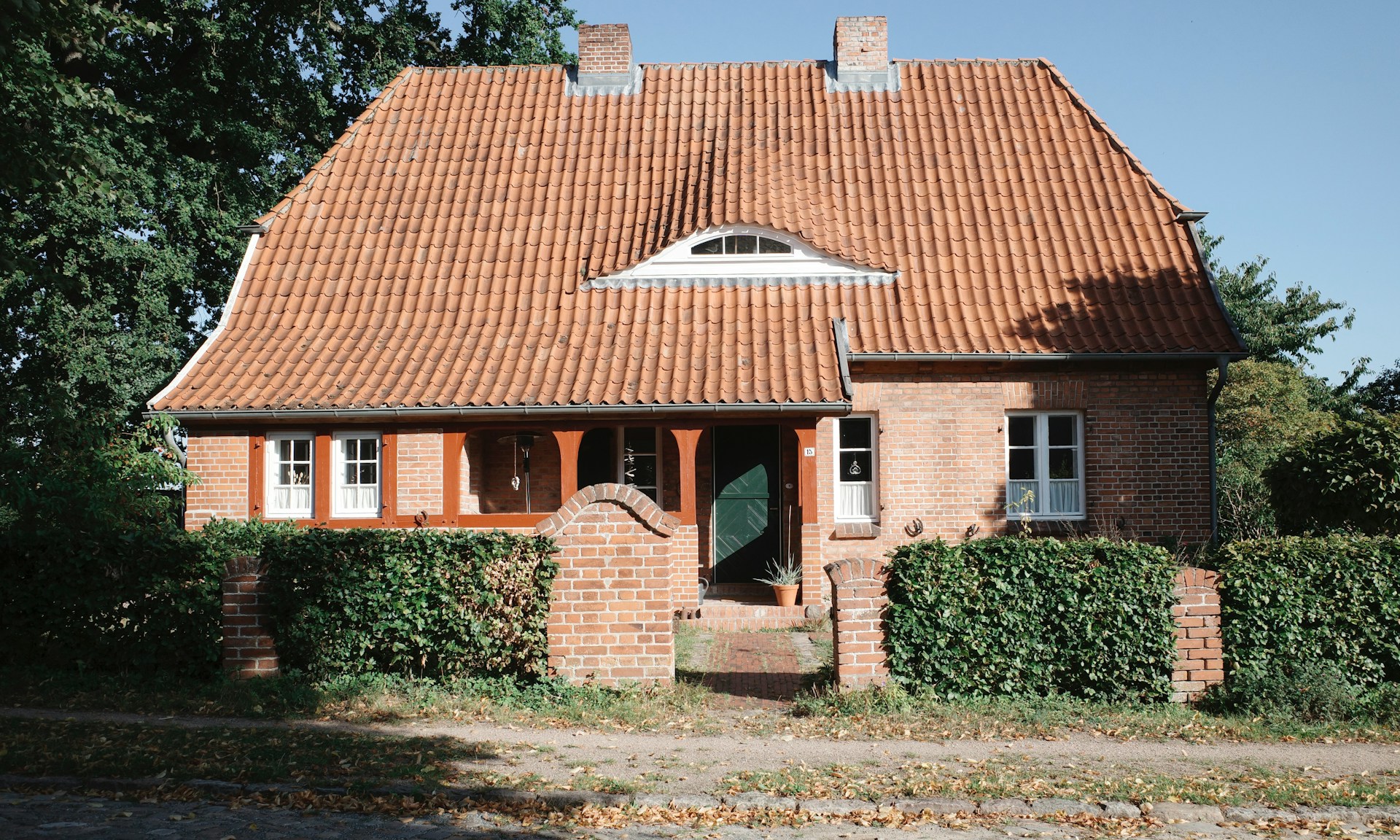
Investors purchase older small homes and renovate them aggressively. Updated kitchens and cosmetic upgrades push prices well above original entry-level range. The house may be the same size, but the price category shifts.
Buyers then face premium pricing for what was once starter inventory. Cosmetic improvements eliminate affordability. The flip market reshapes entire neighborhoods.
9. Property Taxes Keep Rising
Local governments reassess properties at higher valuations. Even modest homes see escalating tax bills. That adds to total ownership cost beyond the mortgage.
Higher carrying costs deter both buyers and sellers. Starter homes lose their low-cost advantage. Affordability extends beyond purchase price alone.
10. Insurance Costs Are Increasing Nationwide
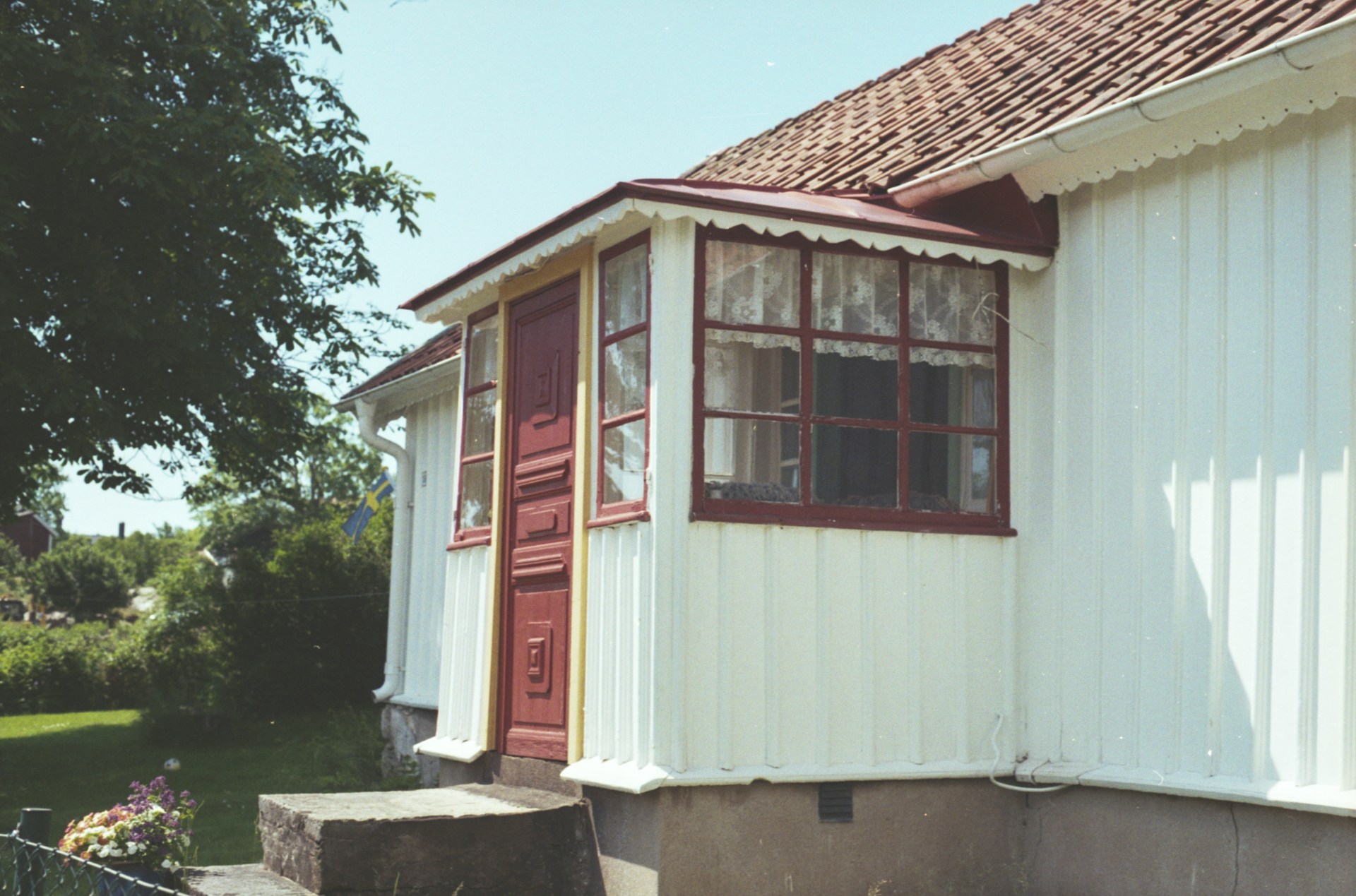
Home insurance premiums have climbed significantly in many states. Climate risks, rebuilding costs, and insurer withdrawals push prices higher. For first-time buyers, this becomes another barrier.
Monthly ownership costs expand quietly. What once seemed manageable now strains budgets. Insurance is rarely discussed in housing headlines, but it shapes decisions.
11. Entry-Level Buyers Face Appraisal Gaps
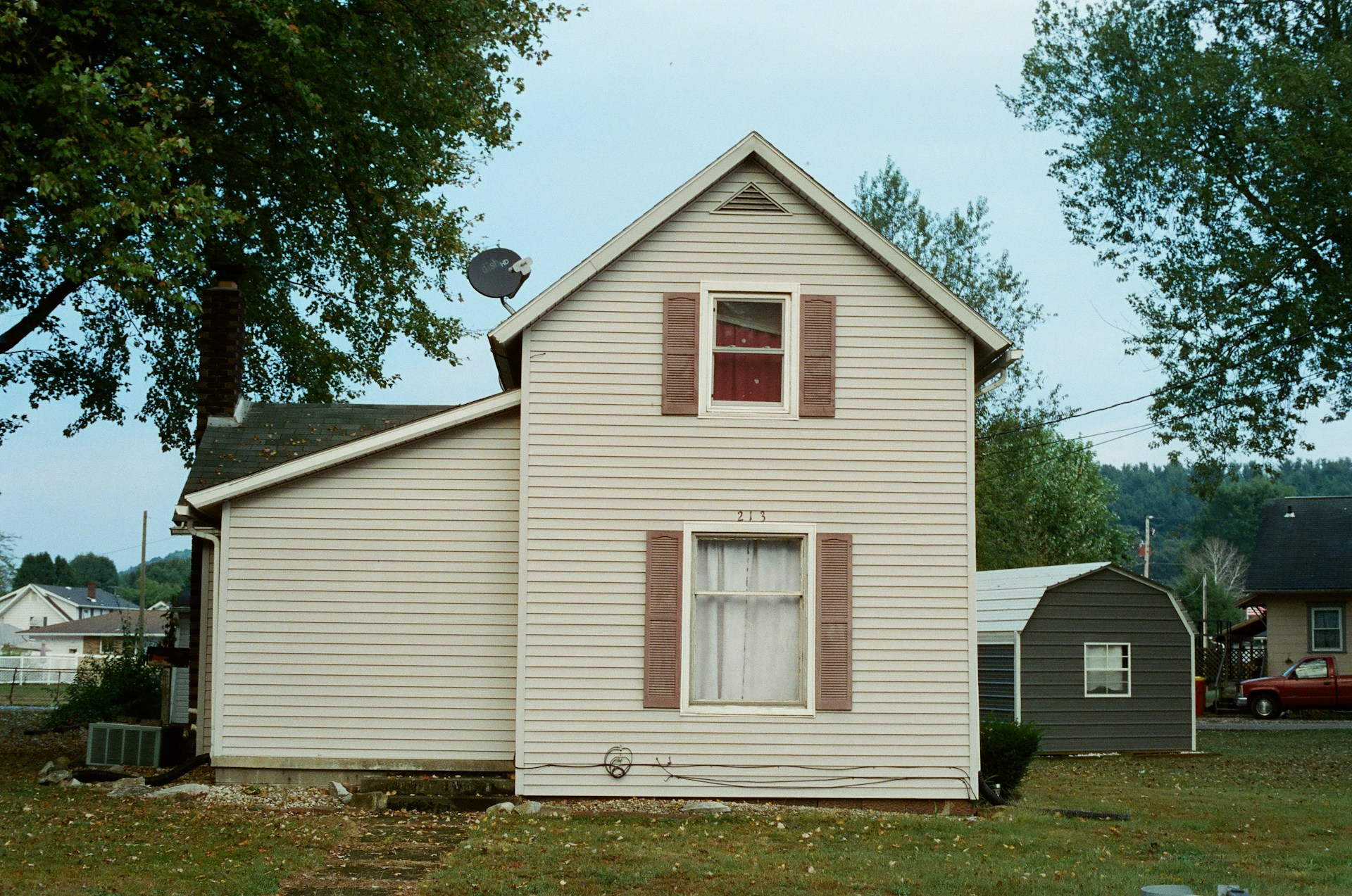
When bidding wars erupt, offers exceed appraised values. Buyers must cover the difference in cash. Many first-time buyers lack that flexibility.
Cash-rich investors easily bridge these gaps. Financed buyers lose out. The system rewards liquidity over long-term commitment.
12. Demographics Are Shifting Demand
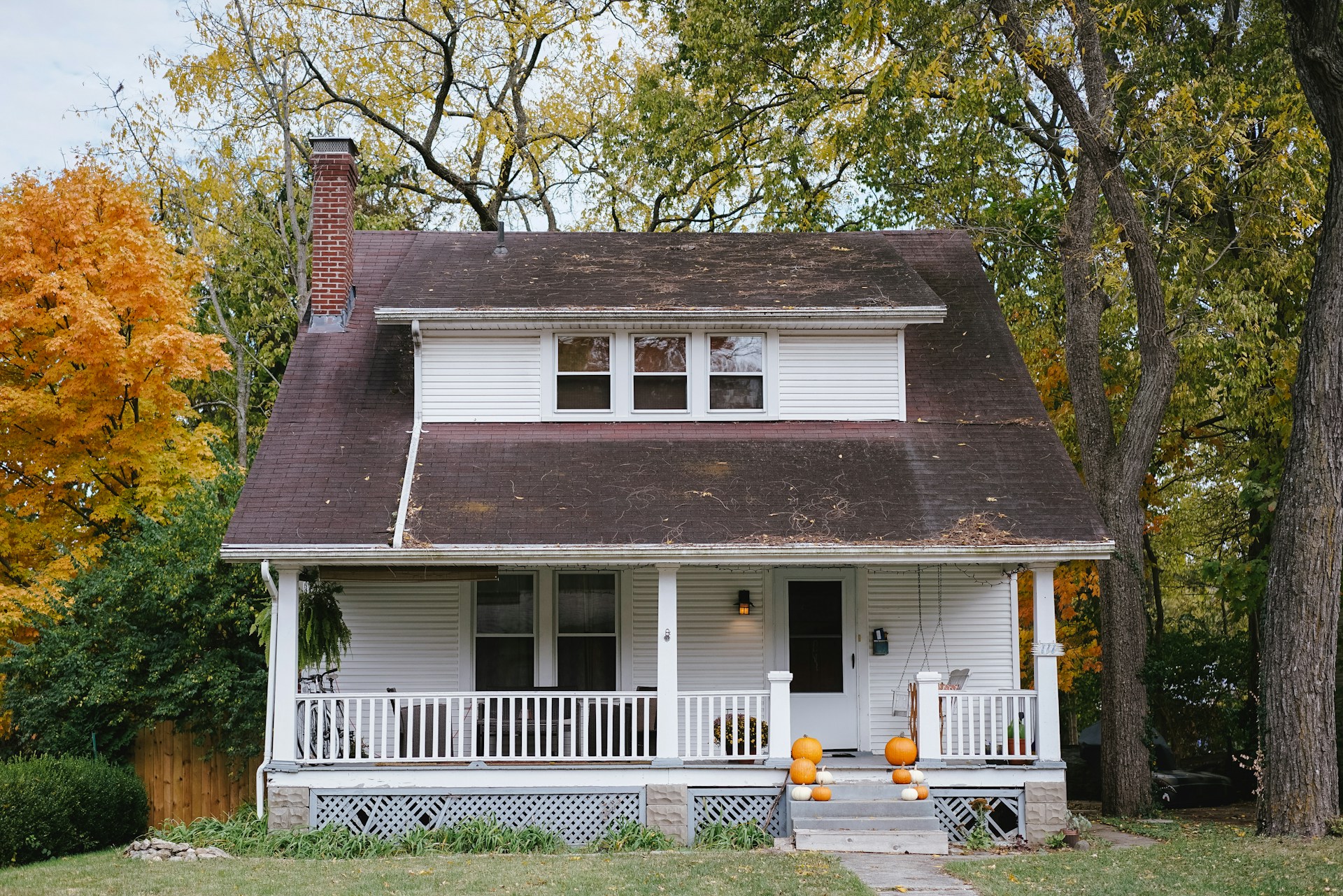
Millennials and Gen Z buyers represent large demographic waves entering prime buying years. Demand clusters heavily at the lower price tiers. Supply has not adjusted accordingly.
That imbalance keeps competition fierce. Even modest homes attract multiple offers. Scarcity becomes normalized.
13. Land Itself Is More Expensive
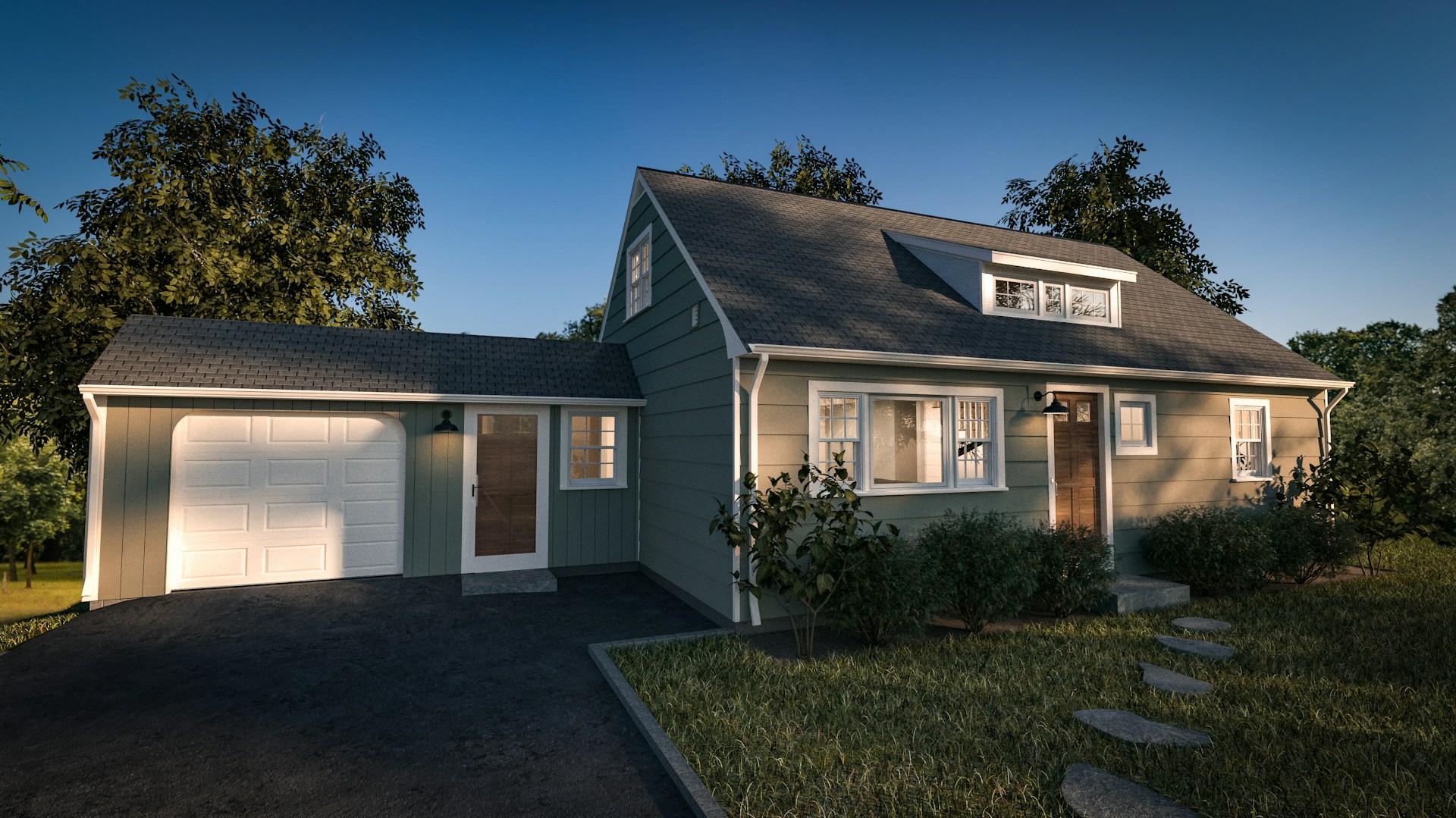
Urban land prices rose sharply over the past decade. Even small parcels command premium pricing. Builders cannot price finished homes cheaply if the land alone costs significantly.
This structural change makes low-cost housing difficult to produce. Geography becomes a limiting factor. Affordability drifts farther from job centers.
14. Condo Markets Are Facing Financing Challenges
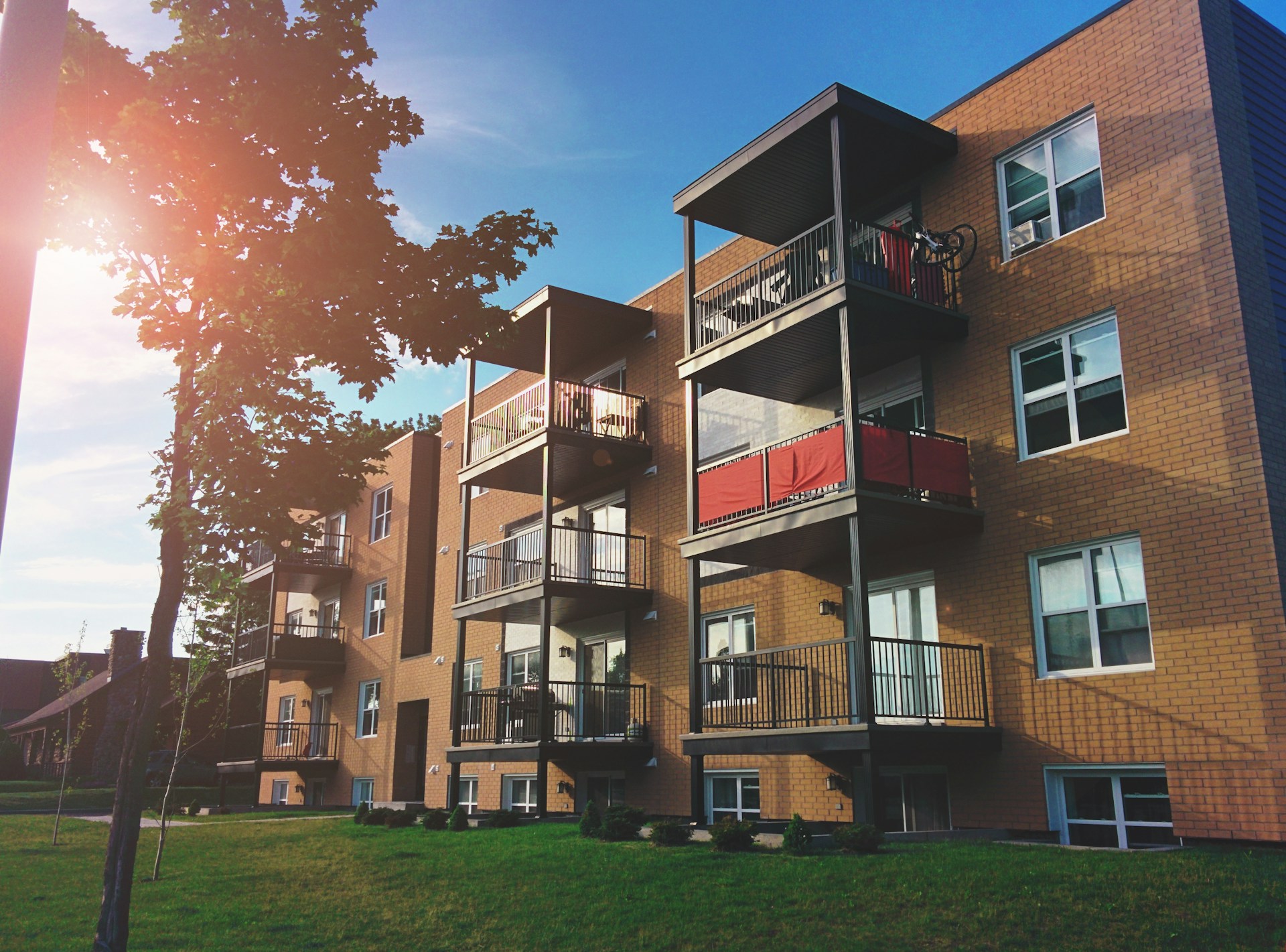
Condominiums once served as entry-level ownership. Stricter lending rules and higher HOA fees complicate financing. Insurance issues in some regions make approvals difficult.
Some buyers hesitate due to unpredictable special assessments. Others cannot qualify under updated lending guidelines. A traditional starter option becomes less accessible.
15. The Cultural Expectation Shifted Upward
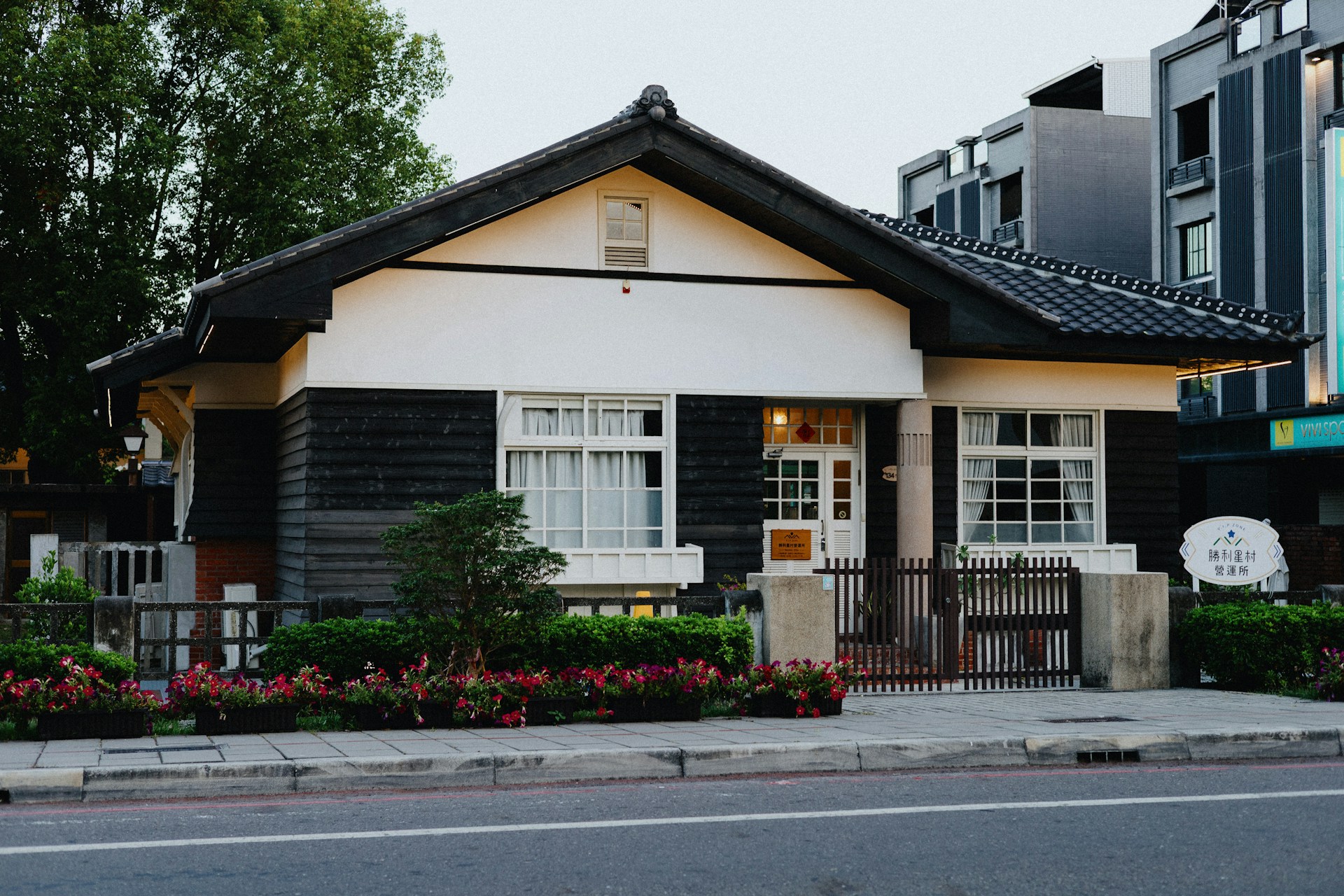
Buyers increasingly expect larger kitchens, open layouts, and modern finishes even at entry levels. Social media and home shows normalize high-end standards. Modest homes feel inadequate by comparison.
Developers respond to that expectation by building bigger and more expensive. The definition of “starter” quietly expands beyond affordability. In the process, true starter homes continue vanishing without much public debate.
This article is for informational purposes only and should not be construed as financial advice. Consult a financial professional before making investment or other financial decisions. The author and publisher make no warranties of any kind.