


Property taxes have become a retirement-destroying trap in states where annual increases consume ever-larger portions of fixed Social Security income, forcing retirees from homes they’ve owned for decades. The crisis isn’t just high absolute tax amounts—it’s the acceleration rate that outpaces the minimal cost-of-living adjustments Social Security provides, creating a widening gap that makes homeownership increasingly unaffordable. Retirees who planned to age in paid-off homes are being systematically priced out by tax increases that can consume 15-30% of their Social Security income, transforming home equity into a liability rather than an asset.
1. New Jersey: Where Property Taxes Exceed $10,000 Annually

New Jersey has the highest property taxes in the nation with median annual bills exceeding $10,000 and many retirees paying $12,000-18,000 annually on modest homes. The average Social Security benefit of $1,900 monthly means annual income of $22,800, making property taxes alone consume 44-79% of Social Security income for many Garden State retirees. Annual tax increases of 2-4% far outpace Social Security COLA adjustments, widening the affordability gap each year.
Towns reassess properties every few years, and even homes in declining neighborhoods face rising taxes as municipalities struggle with pension obligations and infrastructure costs. Senior tax relief programs exist but provide minimal help—typically $250-500 annually—that’s meaningless against five-figure tax bills. Tens of thousands of New Jersey retirees have been forced to sell homes and relocate to states with manageable taxes, leaving communities they’ve lived in for 40-50 years purely due to property tax burden.
2. Illinois: Tax Increases Driven by Pension Crisis

Illinois property taxes have increased 35-50% over the past decade as municipalities desperately try to fund pension obligations, with typical suburban Chicago homes facing $8,000-14,000 annual taxes. The state’s pension crisis creates relentless upward pressure on property taxes with no relief in sight as governments attempt to fill $130+ billion in unfunded pension liabilities. Retirees on fixed incomes face 3-5% annual tax increases while Social Security adjustments average 2-3%, creating an unsustainable trajectory.
Cook County and collar counties have particularly brutal tax burdens, with some seniors paying property taxes exceeding their monthly Social Security checks. The senior homestead exemption and other relief programs reduce taxes modestly but don’t address the fundamental problem of accelerating increases. Illinois has seen significant senior out-migration to states like Florida, Tennessee, and Arizona where property taxes are 60-80% lower, with retirees abandoning home equity to escape unsustainable tax burdens.
3. Connecticut: Wealthy State With Crushing Municipal Taxes
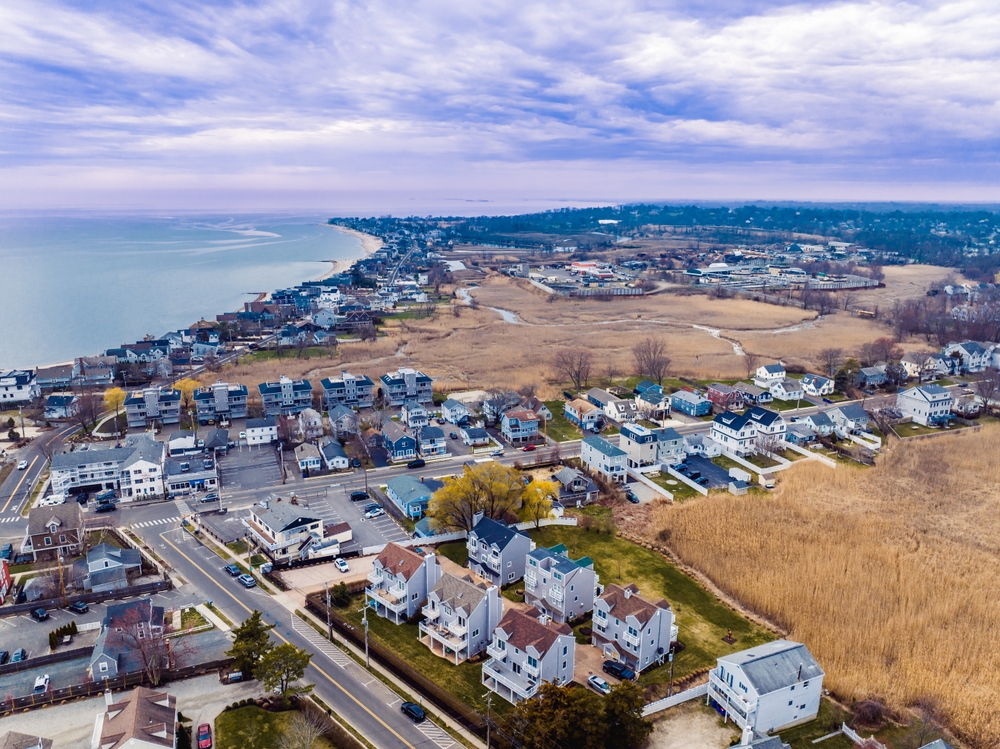
Connecticut’s property taxes average $6,500-9,000 annually statewide but exceed $12,000-15,000 in many towns, consuming massive portions of retirees’ Social Security income. The state eliminated most tax relief programs during fiscal crises, leaving seniors fully exposed to annual increases averaging 3-4%. Small towns with aging infrastructure and declining populations increase taxes repeatedly to maintain services with shrinking tax bases.
The combination of high housing values and high mill rates creates devastating tax bills even on modest homes. A retiree in a $300,000 home might pay $10,000+ annually in taxes—over 40% of average Social Security income. Connecticut has experienced significant retiree exodus as property taxes combined with state income taxes on Social Security make aging in place financially impossible for middle-class retirees.
4. New York: Downstate Taxes Consuming Half of Social Security

New York property taxes vary wildly by location but exceed $15,000 annually in many Long Island and Westchester County communities. Upstate taxes are lower but still substantial at $4,000-8,000 annually, and all areas have seen 25-40% increases over the past decade. The STAR program provides some senior relief but benefits have been frozen while taxes continued rising, making the assistance increasingly inadequate.
New York City has lower property taxes but co-op and condo maintenance fees create similar financial burdens for senior homeowners. Suburban retirees face the worst burden, with property taxes alone consuming 50-70% of Social Security income in many communities. The state has lost hundreds of thousands of retirees to migration, particularly to Florida and the Carolinas, with property taxes cited as the primary driver of relocation decisions.
5. New Hampshire: No Income Tax But Brutal Property Taxes

New Hampshire’s lack of state income or sales tax is offset by property taxes averaging $6,000-9,000 annually with many towns exceeding $10,000. The elderly exemption provides modest relief based on assessed value reduction, but exemption amounts haven’t kept pace with home value appreciation. Towns increase taxes 2-4% annually, exceeding Social Security adjustments and creating compounding affordability problems for fixed-income seniors.
Southern New Hampshire, near the Massachusetts border, has particularly high taxes as towns fund schools and services entirely through property taxes. A retiree couple with a combined Social Security of $3,600 monthly, paying $8,000 annual property taxes, sees 18% of income consumed before any other expenses. The property tax burden has driven significant senior migration to Maine, Florida, and North Carolina, where overall tax burdens are substantially lower.
6. Texas: Rising Valuations Creating Unsustainable Increases

Texas property taxes have increased dramatically as home values soared, with annual bills in suburban Dallas, Houston, and Austin commonly exceeding $6,000-10,000 even on modest homes. The state constitution limits annual assessed value increases to 10% for homesteaded properties, but this “protection” still allows devastating tax increases. Retirees who bought homes for $150,000 now face taxes based on $400,000-600,000 valuations, with annual bills tripling over a decade.
The homestead exemption and over-65 exemption provide relief, and some school districts offer senior tax freezes, but these vary by location. Many fast-growing areas lack meaningful senior protections, leaving retirees facing 5-8% annual tax increases. Texas has no state income tax, but property tax burdens exceed what many retirees would pay in total taxes in states with income taxes but lower property taxes.
7. California: Proposition 13 Protection Eroding Through Reassessments

California’s Proposition 13 limits annual tax increases to 2% for continuous owners, but new seniors moving to California or inheriting homes face reassessment to current market values. A home purchased in 2000 for $300,000 now valued at $900,000 would face devastating tax increases upon inheritance or if the retiree moves within the state. Longtime residents have relatively manageable taxes, but recent retirees or those who relocated late in retirement face brutal bills.
Coastal California property taxes commonly exceed $8,000-15,000 annually even with Prop 13 protections due to high base values. Senior exemption programs exist but provide minimal relief relative to absolute tax amounts. The state allows property tax portability for seniors moving within California, but the protection doesn’t help those being priced out entirely who must leave the state to afford retirement.
8. Massachusetts: Boston-Area Taxes Crushing Fixed Incomes

Massachusetts property taxes average $5,500-8,000 statewide but exceed $12,000-18,000 in many Boston suburbs and upscale communities. The senior circuit breaker tax credit provides relief, but the maximum $1,200 credit is inadequate against five-figure tax bills. Towns reassess every few years, and even in stable markets, reassessments trigger tax increases as mill rates adjust.
The combination of high property taxes and state taxation of Social Security for higher earners creates particular burden for middle-class retirees. Eastern Massachusetts towns near Boston have seen property taxes double over 15 years while Social Security increased only 40-50%. Retirees are increasingly relocating to New Hampshire, Maine, or southern states to escape the combined state and property tax burden that can consume 30-40% of retirement income.
9. Wisconsin: Small-Town Taxes Becoming Unaffordable
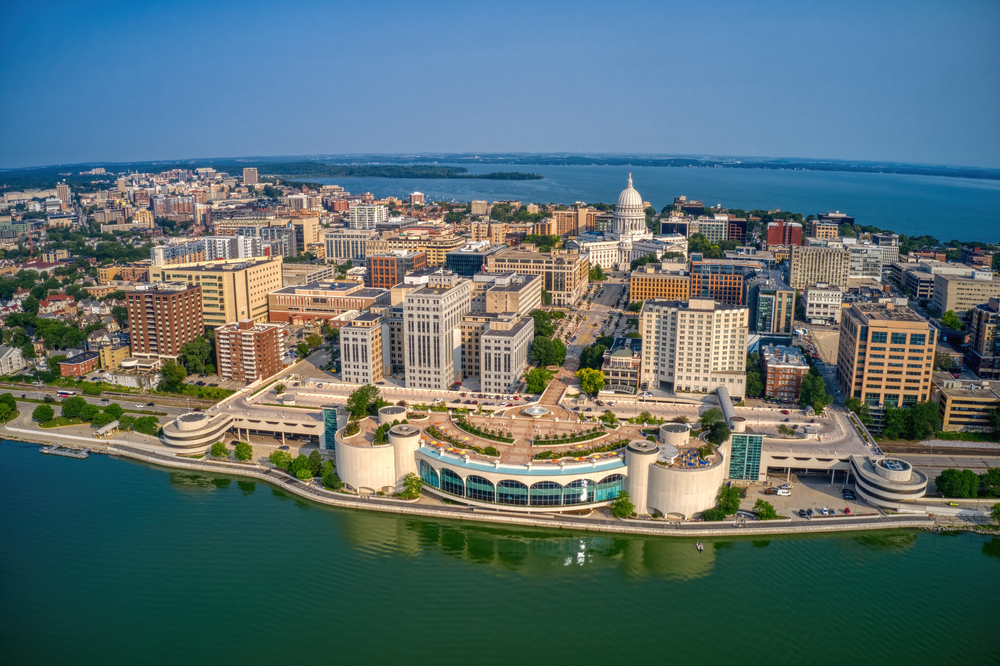
Wisconsin property taxes average $4,000-6,000 annually but create severe burden because retirement incomes in Wisconsin run below national averages. The lottery and gaming credit provides modest relief, and the school tax credit helps seniors, but credits haven’t kept pace with tax increases. Rural and small-town Wisconsin has seen 2-3% annual tax increases consistently, compounding faster than Social Security adjustments.
Manufacturing job losses have shrunk tax bases in many communities, forcing higher taxes on remaining residents including retirees on fixed incomes. A couple with $2,800 monthly Social Security paying $5,000 annual property taxes sees 15% of income consumed by property taxes alone. The state has experienced modest senior out-migration to states with no income tax and lower property taxes, though Wisconsin’s lower housing costs partially offset higher tax rates.
10. Pennsylvania: Municipal Fragmentation Driving Costs Up

Pennsylvania’s extreme municipal fragmentation creates redundant government structures that drive property taxes higher, with bills averaging $3,000-6,000 statewide but exceeding $8,000-12,000 in suburban Philadelphia and Pittsburgh. The state offers minimal property tax relief for seniors, and many municipalities have no exemption programs at all. School district taxes comprise 60-70% of property tax bills, and districts increase taxes annually regardless of enrollment trends.
The state’s shift toward higher property taxes and away from earned income taxes has hit retirees particularly hard as they have no earned income to shield. Southeast Pennsylvania has seen property taxes increase 40-60% over the past 15 years while Social Security increased less than 50%. Retirees are increasingly relocating to Delaware, Maryland, or southern states to escape Pennsylvania’s property tax burden, combined with state income taxation of retirement income.
11. Nebraska: High Rates on Modest Home Values

Nebraska property taxes are among the nation’s highest as a percentage of home value, with effective rates exceeding 1.5-1.8% in many areas. A modest $200,000 home faces $3,000-3,600 annual taxes, and increases run 2-4% annually. The homestead exemption provides relief, but exemption amounts are modest and haven’t kept pace with home value appreciation.
Rural Nebraska faces particular pressure as agricultural land values soar, pushing up residential assessments while population declines force higher taxes on fewer residents. Retirees with paid-off homes face rising taxes on fixed incomes, with property taxes consuming 12-18% of Social Security benefits. The state has seen increased senior migration to states with lower overall tax burdens, though Nebraska’s low overall cost of living partially offsets higher property tax rates.
12. Rhode Island: Tiny State With Oversized Tax Bills

Rhode Island property taxes average $5,000-7,000 annually with wealthy coastal communities exceeding $10,000-15,000, creating severe burden in the smallest state. Municipal tax relief programs exist but vary dramatically by town, with some offering meaningful relief and others providing minimal assistance. Annual increases of 2-3% exceed Social Security adjustments, particularly problematic because Rhode Island taxes Social Security income above certain thresholds.
The combination of property taxes and state income taxes on retirement income creates a comprehensive tax burden that rivals or exceeds larger states. Providence and surrounding suburbs have seen steady tax increases to fund pensions and infrastructure, with no relief in sight. Rhode Island has experienced significant retiree out-migration to Florida, the Carolinas, and Arizona, with taxes frequently cited as the primary reason for leaving.
13. Vermont: Rural Charm With Urban Tax Burdens
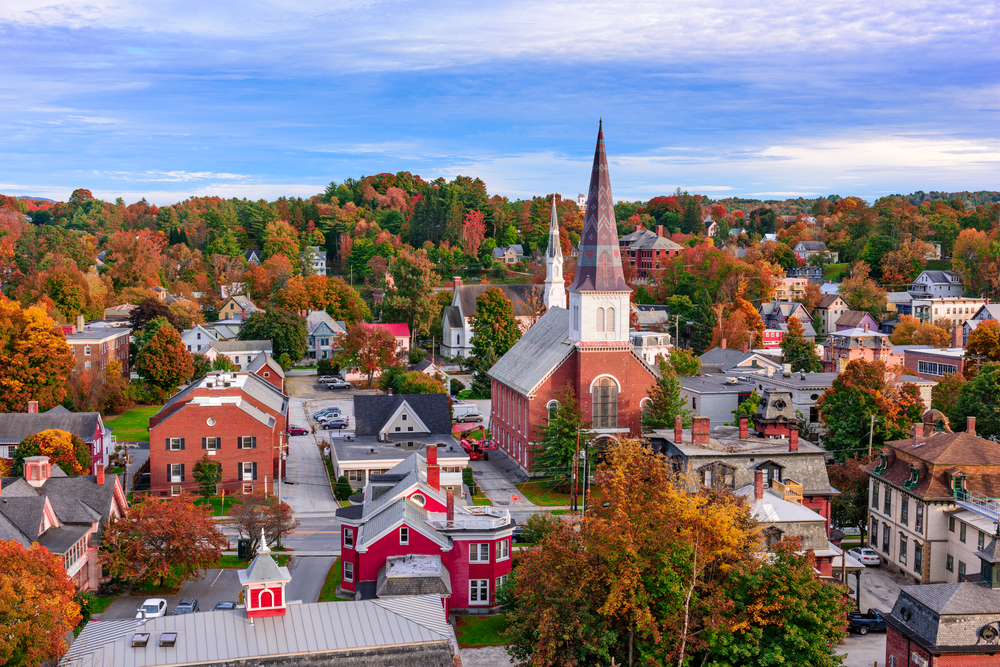
Vermont property taxes average $5,000-7,000 annually, with many towns exceeding $8,000, representing a crushing burden in a state with below-average incomes and Social Security benefits. The state’s property tax system is complex, with education taxes creating particularly high burdens. Senior property tax adjustment programs exist but phase out at modest income levels, leaving many middle-class retirees without relief.
Small town Vermont has seen tax increases of 3-5% annually as infrastructure costs rise while populations and tax bases shrink or stagnate. Retirees on fixed incomes face accelerating taxes with no corresponding income growth, and the state’s income tax on Social Security above exemption thresholds compounds the problem. Vermont has lost retirees to New Hampshire, Maine, and southern states, with property taxes combined with overall tax burden driving migration despite quality-of-life advantages.
14. Ohio: Urban Property Tax Increases Outpacing State Average

Ohio property taxes vary dramatically by location but Cleveland, Columbus, and Cincinnati suburbs commonly see $4,000-8,000 annual bills with increases exceeding Social Security adjustments. The homestead exemption reduces taxes modestly for seniors, and the property tax rollback provides minimal relief, but combined they don’t prevent the tax-to-income ratio from worsening annually. School levies and municipal service levies pass regularly, driving taxes higher while senior incomes remain flat.
Cuyahoga County and Franklin County have seen property taxes increase 30-50% over the past decade while reassessments push values higher. Retirees in appreciating neighborhoods face tax increases far exceeding inflation despite fixed incomes. Ohio has experienced modest senior out-migration to Florida, Tennessee, and the Carolinas, with property taxes combined with state income taxation of retirement income driving relocation decisions.
15. Michigan: Detroit Suburbs Face Accelerating Tax Crisis

Michigan property taxes in Oakland County, Washtenaw County, and other Detroit suburbs commonly exceed $5,000-8,000 annually with consistent increases. The principal residence exemption eliminates some school operating taxes, but overall burdens remain high and rising. Reassessments in recovering markets have pushed taxable values higher, creating tax increases even without mill rate changes.
The state’s pension crisis and municipal funding challenges ensure continued upward tax pressure, with increases of 2-4% annually common in suburban districts. Retirees who bought homes for $100,000-150,000 now face taxes based on $250,000-400,000 assessments following market recovery. Michigan has lost a significant senior population to Florida, Arizona, and the Carolinas, with property tax burdens frequently cited as a major factor in relocation decisions alongside weather and overall cost considerations.
This article is for informational purposes only and should not be construed as financial advice. Consult a financial professional before making investment or other financial decisions. The author and publisher make no warranties of any kind.