


Certain purchases are supposed to announce that you’ve made it—luxury cars, designer labels, expensive watches that cost more than most people’s annual salary. But the signals have gotten scrambled, and what used to clearly separate the wealthy from everyone else now does the opposite. The truly rich have moved on to quieter displays of status while people stretching their budgets have flooded the market with financed luxury. These former markers of success now often indicate someone trying desperately to look wealthy rather than someone who actually is.
1. Luxury Cars With Perpetual Payments

The BMW, Mercedes, or Range Rover in the driveway used to be a reliable wealth indicator, but now it’s more likely to signal a $800 to $1,200 monthly payment someone can barely afford. Luxury car leasing and extended financing have made these vehicles accessible to people earning modest incomes who prioritize appearance over financial security. The person driving a fully loaded Escalade might be living paycheck to paycheck, while the actual millionaire drives a paid-off Toyota. Wealthy people increasingly view expensive cars as wasteful depreciating assets, choosing reliability and value over badge prestige.
The shift happened gradually as luxury brands expanded financing options and created entry-level models to capture middle-class buyers. Now these vehicles signal aspiration and debt more often than genuine wealth. The maintenance costs, insurance premiums, and depreciation make luxury cars financially punishing for anyone who isn’t truly wealthy. Meanwhile, people with real money have figured out that nobody they care to impress actually cares what they drive, making the luxury car one of the most unreliable status symbols of the current era.
2. Designer Handbags and Logo-Heavy Fashion
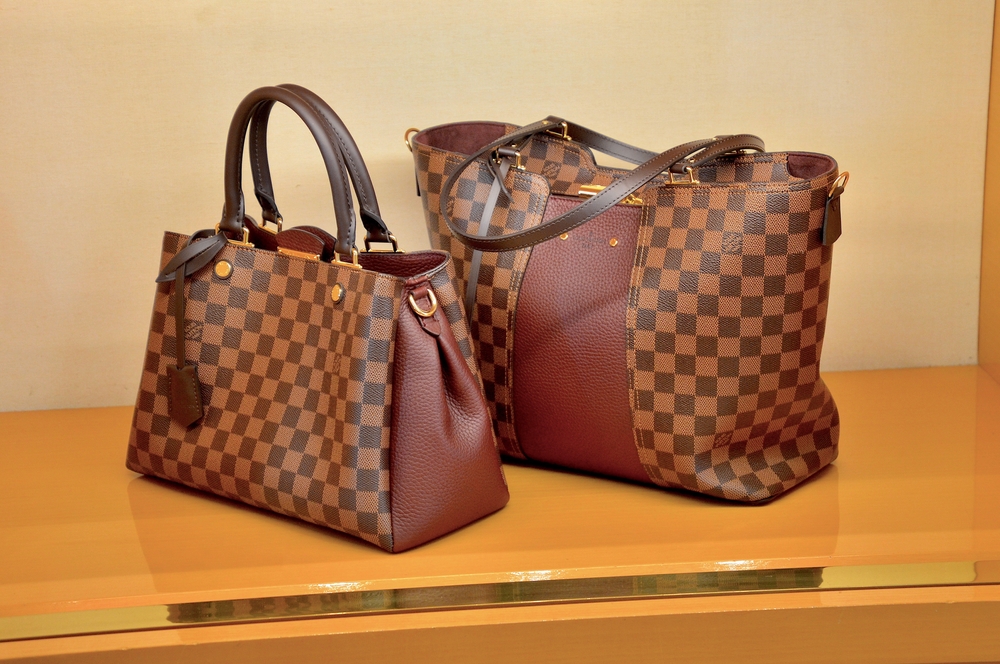
The Gucci belt, Louis Vuitton bag, or Balenciaga sneakers that once screamed wealth now whisper “payment plan” to anyone paying attention. Luxury brands have democratized access through outlets, authenticated resale markets, and retail financing that makes a $2,000 handbag available to almost anyone with a credit card. The conspicuous logo that used to signal exclusivity now signals someone who needs others to know they spent money on a brand name. Actual wealthy people have largely moved toward understated luxury with minimal or no visible branding.
The proliferation of high-quality fakes has further muddied the waters, making it impossible to know if that designer bag is real without close inspection. More importantly, the wealthy have shifted to “quiet luxury” brands that don’t advertise themselves with logos, leaving logo-heavy pieces to people who need the validation. Fashion insiders can now spot the difference between someone who actually has money and someone performing wealth through recognizable brands. The designer logo has become a signal of insecurity rather than success.
3. Living in Trendy Luxury Apartment Buildings

Glass-tower apartments in hot neighborhoods with rooftop pools and gym amenities look impressive, but the people living there are often paying 50% or more of their income in rent. These buildings market lifestyle and status, attracting young professionals who sacrifice financial security for the right address and Instagram-worthy amenities. The actual wealthy aren’t renting—they’re buying property, often in less flashy buildings or neighborhoods with better long-term value. The luxury rental building has become a trap for people who want to appear successful while hemorrhaging money monthly.
The amenities that justify premium rents mostly go unused by busy residents who are working constantly to afford the place. The rooftop pool becomes a rarely-used photo opportunity rather than a genuine lifestyle enhancement. Meanwhile, residents are delaying saving for down payments because rent consumes their income, perpetuating a cycle where they’ll never build actual wealth. The luxury apartment building increasingly signals someone stuck in expensive financial quicksand rather than someone who’s made it.
4. Designer Watches on Payment Plans

Rolex, Patek Philippe, and Audemars Piguet used to be watches that only genuinely wealthy people could afford, making them reliable status symbols. Now you can finance a $15,000 watch with monthly payments, and the secondary market has made luxury timepieces accessible to almost anyone willing to go into debt. The result is that a Rolex on someone’s wrist might represent actual wealth or it might represent a financially irresponsible decision to drop $20,000 on a watch while carrying student loan debt. Wealthy collectors have moved on to ultra-niche brands that people outside watch circles don’t even recognize.
The authentication market, payment plans through retailers, and social media showing off watches have created a culture where the timepiece signals aspiration more than achievement. People who actually have money often wear Apple Watches or modest timepieces because they don’t need to prove anything to strangers. The expensive watch has become such an unreliable wealth indicator that it can actually signal the opposite—someone so insecure about their status that they needed to buy something expensive and visible. Real wealth whispers while fake wealth screams, and luxury watches are doing a lot of screaming these days.
5. First-Class Flights Purchased With Points

Flying first class used to mean you had serious money, but credit card points and miles have democratized premium cabin access. The person in seat 2A sipping champagne might be a genuinely wealthy traveler or someone who gamed credit card signup bonuses to afford a single upgrade. Airlines themselves have cheapened the experience by selling first-class seats at significant discounts to fill empty seats and by reducing service quality. Actual high-net-worth individuals have migrated to private aviation or ultra-premium carriers, leaving commercial first class to everyone else.
The rise of travel hacking communities has made aspirational luxury travel accessible to people with average incomes and good credit. You can fly first class internationally without being wealthy if you’re willing to open credit cards strategically and hoard points. This means first-class cabins now contain a mix of genuinely wealthy travelers and middle-class people who optimized rewards programs, making it useless as a wealth signal. The experience itself has declined as airlines squeezed more seats into planes and reduced service standards, removing much of the actual value that justified premium pricing.
6. Luxury Vacation Rentals and Exotic Travel

Instagram feeds full of Maldives overwater bungalows and Santorini infinity pools suggest wealth, but they often represent people spending money they don’t have for social media content. One luxury vacation can be financed on credit cards, and the photos last forever, even if the debt does too. Truly wealthy people travel constantly but don’t feel the need to broadcast every trip because travel is routine rather than exceptional. The person posting constantly about exotic locations is often someone who saved for a year or went into debt for that single trip.
The democratization of travel through credit card points, vacation rental platforms, and package deals has made luxury travel accessible to people at various income levels. What separates wealthy travelers from everyone else isn’t the destinations anymore—it’s the frequency, flexibility, and lack of financial stress around booking. Someone who can casually decide to spend a month in Europe is wealthy; someone who posts heavily about their one annual trip to Bali probably isn’t. The content-focused approach to luxury travel has turned it into a performance rather than a genuine lifestyle, making it an increasingly unreliable wealth indicator.
7. Premium Gym and Boutique Fitness Memberships

Equinox memberships, SoulCycle packages, and boutique fitness studios used to signal disposable income and prioritization of wellness. Now they signal someone willing to sacrifice financial security for the appearance of a wealthy lifestyle and the right gym selfie backdrop. These memberships cost $200 to $400 monthly or more, yet many members are stretched financially to afford them, while actual wealthy people work out at home with personal trainers or in hotel gyms. The premium fitness membership has become less about results and more about being seen in the right environment.
The social media documentation of boutique fitness classes has made these memberships more about content creation and community signaling than actual health outcomes. People maintain expensive gym memberships they barely use because canceling would mean admitting they can’t afford the lifestyle they’re projecting. Meanwhile, genuinely fit and wealthy individuals have moved on to more exclusive, less visible fitness solutions that don’t require performing wellness for an audience. The expensive gym membership now often indicates financial stress and priority confusion rather than wealth and health.
8. Luxury SUVs for Suburban Families
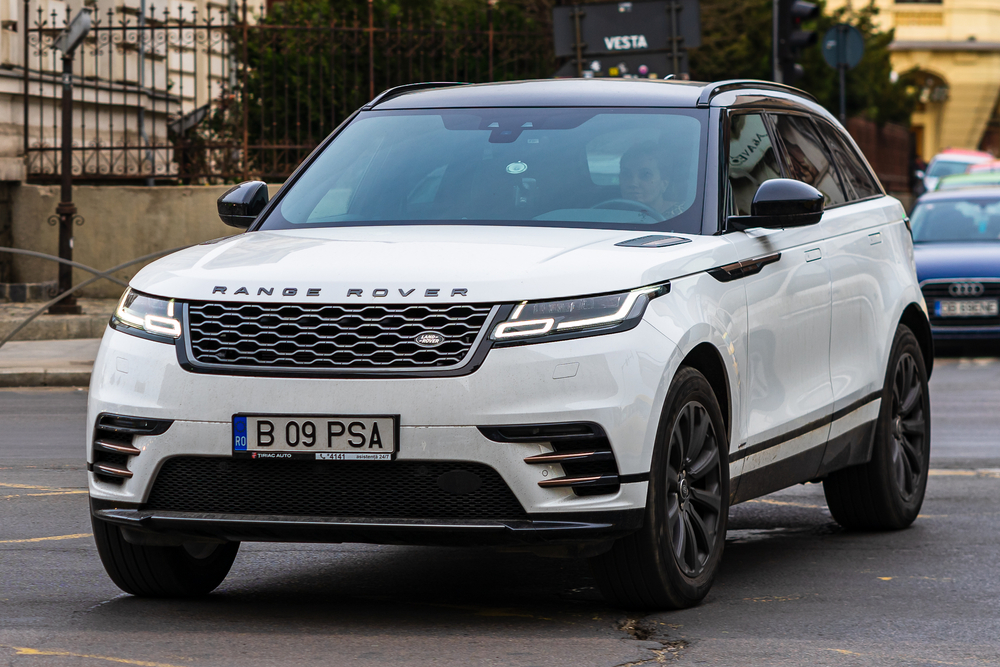
The loaded suburban SUV—Escalade, Range Rover, or high-end Lexus—was once a clear signal of family wealth and success. Now it’s more likely to signal a $70,000 to $100,000 vehicle purchase financed over seven or eight years at interest rates that would make financial advisors weep. These vehicles depreciate catastrophically while maintenance and insurance costs drain resources that could build actual wealth. Truly wealthy families often drive more modest vehicles because they understand that cars are terrible investments regardless of the badge on the front.
The normalization of six-figure SUVs has created a suburban arms race where families compete through vehicle size and brand rather than focusing on financial security. These purchases often come at the expense of retirement savings, college funds, and emergency reserves, mortgaging the future for current status. The irony is that the wealthiest families in most neighborhoods aren’t driving the flashiest cars—they’re the ones with paid-off vehicles and substantial investment accounts. The luxury SUV has become a marker of misplaced priorities and a leveraged lifestyle rather than genuine prosperity.
9. High-End Home Renovations Featured on Social Media

The all-white kitchen with marble countertops, custom cabinets, and high-end appliances that floods Instagram suggests significant wealth and taste. What it often actually represents is $100,000 in home equity debt or financed renovations that owners will be paying off for years. The performance of home improvement has overtaken the practicality, with people renovating to create social media content rather than to improve their living experience. Wealthy people renovate too, but they’re not documenting every tile choice for online validation.
The renovation industry has become expert at selling aspirational upgrades through financing that makes massive projects seem affordable. The monthly payment on a $80,000 kitchen remodel might only be $600, but spread over fifteen years that’s over $100,000 once interest is included. People sacrifice equity and financial flexibility for spaces that look impressive online but don’t significantly improve daily life. The constant documentation of home projects has made expensive renovations less about wealth and more about insecurity and the need for external approval.
10. Premium Credit Cards With Annual Fees

The metal credit card—Amex Platinum, Chase Sapphire Reserve, or exclusive black cards—used to signal serious spending power and financial status. Now these cards are marketed to anyone with decent credit and moderate income, making them accessible to people earning $75,000 who want the status symbol of a heavy metal card. The annual fees of $500 to $700 or more often aren’t justified by the benefits unless you’re spending at levels most cardholders don’t reach. Truly wealthy people use these cards, but so do a lot of people performing wealth while carrying balances on other cards.
The prestige card market has become so diluted that flashing a metal card doesn’t communicate what it used to. The benefits often go unused—airport lounge access that busy people don’t have time for, travel credits with restrictions that make them hard to use, and insurance coverage that’s rarely needed. Meanwhile, people who can’t actually afford the lifestyle are paying annual fees and carrying balances to maintain the appearance of premium status. The expensive credit card has transformed from a genuine wealth signal to a marker of aspiration and often questionable financial decisions.
11. Children in Expensive Private Schools

Sending kids to elite private schools costing $30,000 to $60,000 annually used to clearly indicate family wealth and investment in education. Now it often indicates parents sacrificing retirement savings, taking on debt, or stretching budgets unsustainably to provide opportunities and signal status. The pressure to keep up with peer families creates situations where people who can’t afford private school pay for it anyway, sometimes at catastrophic cost to their financial security. Truly wealthy families attend these schools comfortably; everyone else is stressed about tuition bills.
The social pressure within certain communities makes private school feel mandatory even when public options are perfectly good. Parents prioritize the status and network access over financial prudence, believing expensive schools guarantee success. The reality is that many families attending elite schools are financially stressed, taking loans or raiding retirement accounts to maintain the appearance of prosperity. The private school enrollment has become less about genuine wealth and more about which families are willing to destroy their financial futures to compete socially.
12. Wine Collections and Premium Bottle Service

Collecting expensive wine or ordering bottle service at clubs used to signal sophisticated wealth and disposable income. Now it often signals someone trying too hard to appear wealthy through conspicuous consumption that provides no lasting value. The $500 bottle at the club costs the venue $80, making it an extraordinarily inefficient way to signal status, yet people keep buying in because they need to be seen spending. Actual wine collectors focus on investment-grade bottles and personal enjoyment, not performing wealth for strangers at nightclubs.
The bottle service culture has spread from genuinely exclusive venues to anywhere trying to extract maximum revenue from status-conscious customers. The result is people spending thousands on alcohol to maintain appearances while struggling with basic financial obligations. Wealthy individuals who enjoy fine wine do so privately or in genuinely exclusive settings, not in environments designed to maximize spending through social pressure. The public display of expensive alcohol consumption has become one of the clearest signals of fake rather than real wealth.
13. Designer Dog Breeds and Expensive Pets

French Bulldogs, purebred designer dogs, and exotic pets costing thousands of dollars used to indicate disposable income and a luxury lifestyle. Now they indicate someone who spent $3,000 to $10,000 on a pet without considering the ongoing costs of veterinary care, food, grooming, and potential health issues. The initial purchase price is just the beginning, and many owners struggle with the financial reality of maintaining expensive pets while trying to maintain appearances. Wealthy pet owners focus on rescue animals or practical breeds, not trophy pets for social media content.
The Instagram pet phenomenon has created demand for specific aesthetically pleasing breeds that match owner lifestyles and feeds. People buy expensive dogs as accessories and status symbols without genuinely caring about animal welfare or financial responsibility. Vet bills for purebred dogs with genetic health issues can run thousands annually, creating financial stress that owners don’t anticipate. The expensive designer dog has become a marker of impulse purchasing and status anxiety rather than genuine animal love or financial capacity.
14. Luxury Beauty and Wellness Services

Regular facials, blowouts, lash extensions, cosmetic procedures, and other high-end beauty maintenance used to signal time and money for self-care. Now it signals someone potentially spending $500 to $2,000 monthly on appearance maintenance while struggling with student loans or credit card debt. The pressure to maintain certain beauty standards has made these services feel necessary rather than optional for people trying to project success. Truly wealthy people access these services too, but as a small percentage of their spending rather than a budget-straining priority.
The subscription model for beauty services—monthly memberships for blowouts, regular Botox appointments, ongoing lash maintenance—creates committed spending that’s hard to reduce without visible changes in appearance. This traps people in cycles of expensive maintenance they can’t afford to stop without “letting themselves go” by current standards. The financial stress of maintaining beauty routines that were supposed to signal wealth often creates exactly the opposite situation. The heavy investment in appearance maintenance now frequently indicates someone whose priorities have consumed their financial security.
15. Home Decor From Instagram-Famous Brands

The all-white minimalist aesthetic filled with Restoration Hardware furniture, designer lighting, and carefully curated decor from trendy brands signals taste and wealth until you realize it’s all financed. Furniture and home decor retailers have become experts at selling luxury aesthetics through monthly payment plans that make $5,000 couches seem affordable. The Instagram-perfect home often represents tens of thousands in furniture debt that owners will be paying off for years, while the pieces depreciate to almost nothing. Wealthy people furnish homes thoughtfully but aren’t creating showrooms for social media validation.
The pressure to have a “showroom-ready” home has turned living spaces into performance art rather than comfortable personal environments. People buy furniture and decor to photograph rather than to use, prioritizing appearance over function and affordability. The result is beautifully styled homes that represent crushing debt and ongoing financial stress to maintain. The perfectly curated home aesthetic has become such a reliable signal of financial overextension that interior designers and financial advisors can spot the warning signs immediately—everything looks expensive and nothing looks lived in.
This article is for informational purposes only and should not be construed as financial advice. Consult a financial professional before making investment or other financial decisions. The author and publisher make no warranties of any kind.