


There’s a lot more to shoplifting than meets the eye, and the true cost might just leave you speechless. You might think it’s all about sticky fingers and security cameras, but the ripple effect is vast, affecting everything from retail prices to community safety. These are the often-overlooked consequences of shoplifting.
1. It Sends Prices Skyrocketing

You might not realize it, but shoplifting significantly contributes to the rising prices of goods. When stores experience losses due to theft, they often pass these costs onto customers by increasing prices. This means that everyone ends up paying more, not just the shoplifters. According to the National Association for Shoplifting Prevention, retail theft costs businesses approximately $50 billion annually in the U.S.
This added financial burden can be especially hard on low-income families, who are already struggling to make ends meet. The increase in prices can make essential items like groceries and clothing less accessible for many. It’s a vicious cycle where theft begets price hikes, which in turn can lead to more theft. It’s a problem that impacts everyone, not just the businesses that are directly targeted.
2. It Means Expensive Security Intensifies

With shoplifting on the rise, stores are forced to ramp up security measures, and these are not without their own costs. Every additional camera, security guard, and anti-theft device adds to the operational expenses of a store. This not only affects the store’s budget but can also detract from a welcoming shopping experience. You might feel like you’re walking through an airport security line just to buy a pair of socks.
Beyond the inconvenience, intensified security measures can create an atmosphere of suspicion and tension. Customers might feel uncomfortable or even guilty under the watchful eyes of multiple cameras and security personnel. This can deter people from shopping at brick-and-mortar stores, pushing them towards online shopping. It’s a balancing act for retailers who want to protect their assets without alienating their customers.
3. It Causes Retail Job Losses

Retail businesses operate on thin margins, and when shoplifting cuts into profits, it can lead to job cuts. Fewer profits mean less money to pay employees, resulting in layoffs and reduced hours. The retail sector, which provides jobs for millions, can suffer greatly from these losses. The Center for Problem-Oriented Policing highlights that shoplifting is a major issue for retailers, with shrinkage eating up about 1.33% of sales.
This may not sound like much, but for large retailers, that’s a significant chunk of revenue. For small businesses, it can be devastating. Employees who lose their jobs face financial instability, affecting not just them, but their families and communities. It’s a chain reaction where the initial act of theft reverberates far beyond the store’s doors.
4. It Comes with Community Safety Concerns

Shoplifting doesn’t just impact the bottom line; it can also affect community safety. When theft is prevalent, it can lead to increased criminal activity in the area. This can make neighborhoods feel less safe, discouraging people from visiting local businesses. It’s a downward spiral that can harm the economic vitality of whole communities.
Residents might notice a rise in petty crime or feel uneasy walking around their neighborhoods. This perception of increased crime can reduce property values and deter new businesses from setting up shop. A once-thriving community can quickly see a decline in both economic and social stability. It’s a reminder that shoplifting is more than just a petty crime; it’s a community issue.
5. It Overburdens the Legal and Court System

Shoplifting cases add to the workload of the already overburdened court systems. Dealing with theft cases requires police investigations, legal proceedings, and often results in costs that taxpayers must shoulder. The National Association for Shoplifting Prevention notes that more than 10 million people have been caught shoplifting in the last five years, clogging up the courts and costing millions in legal fees.
These legal proceedings require time and resources, diverting attention from more serious crimes. It’s a drain on public resources that could be better spent elsewhere, like education or healthcare. Additionally, the legal ramifications for the accused can be severe, potentially leading to jail time or hefty fines. The repercussions of shoplifting extend far beyond the initial act, affecting the entire legal system.
6. It Hurts Small Businesses Hard

Small businesses are particularly vulnerable to the effects of shoplifting. Unlike large corporations, they don’t have the resources to absorb losses or invest heavily in security measures. A single theft can significantly impact their financial health, leading to higher prices or even closure. It’s a stark contrast to a big box store that might see the same theft as a minor blip.
For small business owners, shoplifting can feel personal, as if their hard work is being directly stolen from them. This can affect their morale and willingness to keep their business going. The loss of small businesses in a community can reduce consumer choice and erode the local economy. Supporting local businesses means understanding the challenges they face, including the threat of shoplifting.
7. It Inflicts Psychological Harm on Employees

The trauma of dealing with shoplifting incidents can have a lasting psychological impact on retail employees. Witnessing theft or being involved in confrontations can lead to anxiety and stress, affecting job performance and satisfaction. According to a study published in the Journal of Occupational Health Psychology, stress from workplace incidents can lead to decreased job satisfaction and increased turnover rates.
Employees may begin to feel unsafe or unsupported in their work environments. This can cause a decline in employee morale, leading to higher turnover rates and a less welcoming atmosphere for customers. When employees are constantly on edge, it can impact their mental health and overall well-being. Retail work is challenging enough without the added stress of dealing with theft.
8. It Fuels Organized Retail Crime

Shoplifting isn’t always an isolated incident; sometimes, it’s part of a larger, organized effort. Organized retail crime involves groups systematically stealing goods to resell them, often online. This type of theft is more sophisticated and can result in significant losses for retailers. It’s not just a couple of people pocketing items — it’s a coordinated effort to exploit retail vulnerabilities.
Such crime rings can be challenging to dismantle, requiring extensive investigations and law enforcement resources. They often target high-value items, creating substantial losses for businesses. The rise of online marketplaces has made it easier for these groups to sell stolen goods anonymously. Tackling organized retail crime requires cooperation between retailers, law enforcement, and legislators.
9. It Creates an Ethical Dilemma for Consumers

Seeing someone shoplift can put you in a tricky ethical position. Do you report it, confront them, or stay silent? Each decision has its own set of consequences. Reporting the incident might prevent further theft, but it could also put you in an uncomfortable or even dangerous situation.
On the other hand, staying silent might feel complicit, as if you’re allowing the behavior to continue. These dilemmas highlight the complex social dynamics at play when witnessing theft. They also raise questions about personal responsibility and community involvement. Navigating these situations requires careful consideration of both ethical and practical factors.
10. It Sends Insurance Premiums Spiking

Just like other forms of theft, shoplifting can drive up insurance premiums for businesses. When a store experiences frequent theft, their insurance costs are likely to increase. This is another expense that can be passed on to consumers as businesses try to maintain their profitability. It’s a hidden cost that most people don’t consider when they think about shoplifting.
Higher insurance premiums can squeeze already tight margins, especially for small businesses. This can force them to make tough choices, such as reducing staff or cutting back on services. It’s another example of how shoplifting can ripple through a business’s operations. For consumers, it means higher costs and potentially fewer options.
11. It Can Infringe on Retail Innovation

The threat of shoplifting has influenced innovation in the retail sector, pushing stores to adopt new technologies. From facial recognition to RFID tags, retailers are investing in advanced systems to deter theft. While these technologies can be effective, they also raise privacy concerns among consumers. You might feel uneasy knowing your every move is tracked and analyzed.
Despite these concerns, technology-driven solutions are becoming more prevalent in the fight against shoplifting. Retailers are continually looking for ways to balance security and customer experience. Innovations in loss prevention can help reduce theft, but they must be implemented thoughtfully. It’s a delicate dance between technological advancement and consumer rights.
12. It Burdens the Cops

Shoplifting adds to the burdens faced by law enforcement agencies, requiring time and resources to address. Police departments must investigate thefts, gather evidence, and sometimes make arrests. This diverts attention from other pressing issues, such as violent crime or public safety initiatives. It’s a resource drain that can impact the effectiveness of law enforcement.
Moreover, shoplifting cases can strain relations between police and their communities. Some people feel that resources could be better allocated to more serious issues. This can lead to tensions and perceptions of misaligned priorities. Finding the right balance is crucial for both effective policing and community trust.
13. It Has Long-Term Economic Impact
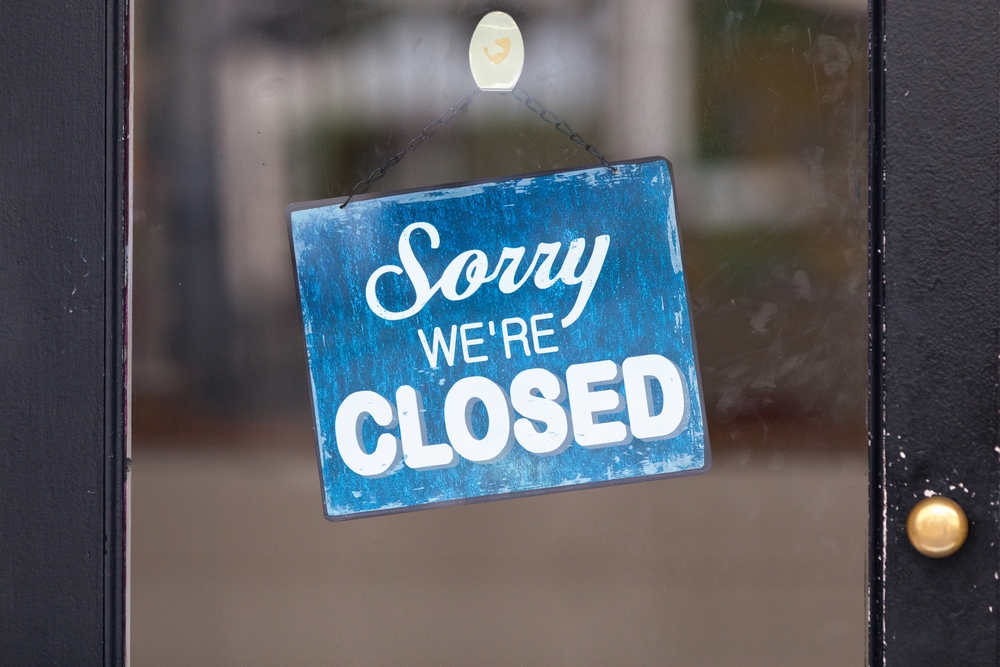
The cumulative effects of shoplifting can have a long-term economic impact on both local and national levels. When businesses close due to theft-related losses, it reduces job opportunities and tax revenue. This can lead to economic stagnation and decreased investment in affected areas. It’s a ripple effect that can take years to recover from.
In a broader context, persistent shoplifting can contribute to a culture of lawlessness and erosion of ethical standards. This affects everyone, from business owners to consumers to policymakers. Addressing the issue requires a comprehensive approach that includes prevention, enforcement, and community involvement. It’s a complex problem, but understanding its full scope is the first step towards effective solutions.
This article is for informational purposes only and should not be construed as financial advice. Consult a financial professional before making investment or other financial decisions. The author and publisher make no warranties of any kind.