


The global push toward sustainability has officially gone mainstream, and with it comes an explosion of new, high-paying jobs focused on climate resilience, clean energy, biodiversity, and carbon reduction. These careers don’t just offer financial stability — they put workers on the front lines of solving some of the biggest environmental challenges of our time. As governments, corporations, and entire industries embark on massive green transitions, demand for these roles is skyrocketing. Here are 12 six-figure jobs shaping the climate future (and helping save the planet in the process).
1. Climate Data Scientist

Climate data scientists sit at the intersection of artificial intelligence, atmospheric modeling, and environmental policy. According to the U.S. Bureau of Labor Statistics and a World Economic Forum report, climate data science is among the fastest-growing sustainability careers, with average salaries already exceeding six figures at major institutions. These professionals use massive datasets to predict climate threats, model carbon pathways, and advise governments on disaster planning. Their work directly influences everything from wildfire strategy to global warming projections.
Companies across tech, energy, and transportation now rely heavily on climate modeling to guide business decisions. As climate disasters intensify, accurate forecasting is essential for economic survival. These scientists effectively serve as the eyes of the climate movement, helping society prepare for what’s coming. Their role is both analytical and existential — shaping the climate future one model at a time.
2. Offshore Wind Engineer

Offshore wind projects have surged as one of the world’s biggest renewable energy investments, creating high-paying engineering roles. These engineers design, build, and maintain massive wind farms that generate clean electricity for millions of homes. The job requires expertise in mechanical, electrical, and marine engineering — making it one of the most technically advanced green careers. Salaries often exceed six figures due to the complexity and global demand.
Several countries are investing billions into offshore wind infrastructure. This means long-term job security for engineers ready to step into a rapidly expanding field. The work is physically demanding but profoundly impactful, replacing fossil fuel dependency with large-scale clean power. It’s a career that balances innovation, environmental stewardship, and adventure.
3. Carbon Capture and Storage (CCS) Specialist

Carbon capture specialists help design systems that remove carbon dioxide directly from industrial sites or the atmosphere. A study published by the International Energy Agency confirms that CCS will need to scale dramatically if the world hopes to meet global climate targets. These specialists work with advanced chemical engineering systems to trap, store, or repurpose COâ‚‚ in safe, long-term facilities. Their expertise is highly technical, making this a lucrative and in-demand field.
While controversial in some environmental circles, carbon capture is rapidly gaining traction. Major oil and gas companies are investing heavily in CCS to reduce emissions while transitioning toward greener portfolios. Specialists in this field are shaping a technology that could redefine climate mitigation strategies. Their work is transforming carbon from a liability into a potential resource.
4. Sustainable Construction Manager

The construction industry is undergoing a green revolution, pushing developers to build homes and skyscrapers with significantly lower carbon footprints. Sustainable construction managers oversee projects that use renewable materials, reduce waste, and incorporate energy-efficient design. These managers coordinate architects, contractors, and environmental engineers to meet strict sustainability guidelines. As cities pursue net-zero building standards, demand for this expertise is soaring.
The job blends leadership, technical knowledge, and environmental planning. It also requires staying ahead of rapidly evolving green building codes. These professionals play a key role in how urban landscapes adapt to climate change. The role feels both futuristic and traditional — building the world, but smarter.
5. Environmental Lawyer (Climate & Energy Policy)

Environmental lawyers specializing in climate and energy regulation help shape policies governing carbon emissions, pollution standards, and renewable energy mandates. The American Bar Association reports that environmental law is one of the few legal specialties growing faster than the general legal field, driven by the global push for climate accountability. These attorneys litigate cases, draft climate legislation, and advise corporations on compliance with international environmental standards. Their work influences everything from water rights to the adoption of clean energy.
Environmental lawyers often find themselves at the center of political and scientific debates. Their expertise helps balance ecological protection with economic interests. The stakes are incredibly high — their arguments can determine the fate of ecosystems, communities, and industries. It is one of the most impactful six-figure jobs in the green transition.
6. Ecological Restoration Project Lead
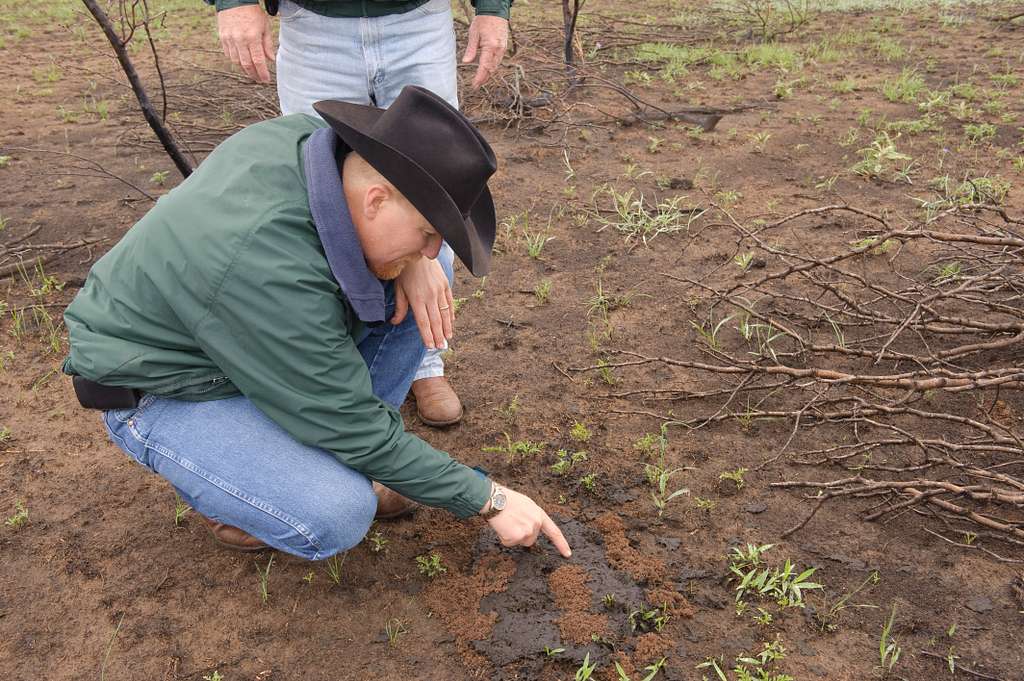
This role focuses on rebuilding damaged ecosystems — everything from wetlands and forests to coral reefs and grasslands. Restoration leaders coordinate scientists, land managers, and local communities to reverse environmental degradation. They plan large-scale projects that improve biodiversity, reduce flooding, and revive wildlife populations. The work blends biology, climate adaptation, and community engagement.
Many government agencies and global nonprofits now invest heavily in ecological restoration as a climate strategy. With billions being poured into “nature-based solutions,” these careers are on the rise. While physically demanding, the work is emotionally fulfilling. Few jobs offer such a clear, visible environmental impact.
7. Renewable Energy Systems Architect

Renewable energy architects design integrated energy systems that combine solar, wind, geothermal, and battery storage. A recent report from the National Renewable Energy Laboratory highlights the need for thousands of new specialists to modernize the U.S. electrical grid. These architects engineer the backbone of net-zero cities and industries by ensuring clean energy flows efficiently and reliably. They help design the infrastructure that will replace fossil fuels entirely.
This job requires a rare combination of electrical engineering, systems thinking, and environmental planning. The stakes are enormous: without experts designing sustainable grids, renewable energy cannot scale effectively. These professionals are quietly shaping the world’s energy future. Their decisions will determine how society is powered for decades to come.
8. Climate Resilience Urban Planner

As extreme weather becomes more common, cities urgently need planners who can redesign communities for survival. Climate resilience planners design flood-proof neighborhoods, wildfire-resistant zones, cooling corridors, and green infrastructure. They help governments prepare for disasters before they strike, integrating science into city development. Their work blends policy and pragmatism.
This job is critical for regions already facing climate threats. It offers six-figure potential through municipal, consulting, or private development roles. These planners play a major role in preventing future loss and displacement. In many ways, they design the blueprint of a climate-proof civilization.
9. Solar Farm Operations Manager
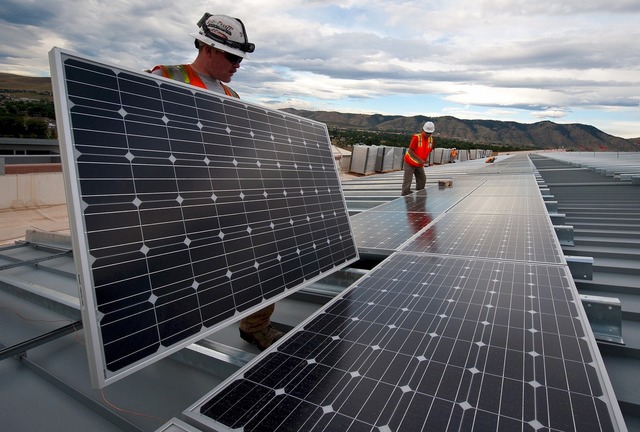
Solar farms are expanding faster than almost any other energy source, creating high-paying technical leadership roles. Operations managers oversee installation, maintenance, and large-scale energy production for industrial solar sites. They ensure maximum efficiency in systems that power thousands of homes. Their job blends engineering oversight with real-time problem solving.
The growth of solar has led to massive demand for skilled managers. These roles offer financial stability and constant innovation. Managers often work outdoors, combining hands-on leadership with long-term sustainability goals. The job offers a balance between technical expertise and practical environmental impact.
10. Green Supply Chain Strategist

Companies are under increasing pressure to reduce emissions across their entire supply chain, not just within their factories. Green supply chain strategists redesign sourcing, transportation, packaging, and production flows to minimize carbon footprints. They work closely with global teams to transition toward renewable materials and low-emission shipping. Their decisions affect entire industries.
This job requires a deep understanding of both sustainability and economics. It’s ideal for people who love systems thinking and data-driven solutions. Strategists in this field help companies meet climate commitments without sacrificing efficiency. They are the architects of sustainable commerce.
11. Hydrologist Specializing in Climate Adaptation

Hydrologists analyze water movement, flood risk, and long-term water supply — a field that is becoming essential as droughts and storms intensify. They develop strategies for water conservation, disaster prevention, and sustainable irrigation. Their insights help governments and industries prepare for unpredictable climate impacts. Salaries often exceed six figures due to high demand and specialized training.
Water scarcity is quickly becoming one of the world’s most pressing issues. Hydrologists work at the center of that crisis. Their research influences agriculture, urban planning, infrastructure, and public health. The job combines fieldwork with scientific modeling.
12. Corporate Sustainability Director

Large companies now hire sustainability directors to lead decarbonization, waste reduction, ethical sourcing, and environmental reporting. These executives shape corporate climate strategy and oversee compliance with global sustainability standards. They influence product design, energy usage, and long-term environmental goals. Their role often requires both scientific literacy and business leadership.
Sustainability directors have become essential as corporations confront climate expectations from regulators, investors, and customers. Their decisions can shift entire industries toward cleaner practices. The job offers high pay, high visibility, and high responsibility. It is one of the most influential roles in the green transition.
This article is for informational purposes only and should not be construed as financial advice. Consult a financial professional before making investment or other financial decisions. The author and publisher make no warranties of any kind.