


Every day, you make small purchases that seem insignificant at the time, yet over weeks and months, they accumulate into a surprisingly large drain on your finances. Whether it’s the daily coffee habit or those extra features in your subscription service, these little expenses have a way of sneaking up on you. Embracing mindfulness in your spending can save you more than you’d expect. Here are 13 common small purchases that add up faster than you realize, and how you can take control of your spending.
1. Impulse Buys at the Checkout

The checkout line is designed to tempt you with last-minute impulse buys, from candy bars to magazines. These items often sneak into your cart as you wait, adding minor but frequent expenses to your shopping trips. While each item seems inexpensive on its own, they contribute to a larger sum over time. Recognizing these impulse purchases can help you steer clear of unnecessary expenses.
One strategy is to stick to a shopping list and avoid browsing shelves while you wait. If you frequently find yourself tempted, consider using digital payment methods to avoid cash, which encourages spare change purchases. Being conscious of marketing tactics can help you make intentional choices, reducing the number of unwanted items that end up in your cart. Over time, avoiding these purchases can lead to noticeable savings.
2. Daily Snacks

A quick snack from a vending machine or corner store is a convenient way to satisfy midday hunger, but it’s also a sneaky expense. Spending even a few dollars on snacks each day can add up to hundreds over the course of a year. Often, these snacks are impulse purchases that don’t contribute to a balanced diet, leaving both your wallet and health worse off.
According to the American Heart Association, nearly half of the added sugars consumed by Americans come from snacks and sweets. By preparing healthy snacks at home and bringing them with you, you can control both the nutritional content and cost. Planning ahead ensures you’re not caught off guard by hunger, reducing the temptation to spend on convenience foods. It’s a simple adjustment that benefits both your budget and your well-being.
3. Digital Rentals

Renting digital movies or shows is a tempting option for a cozy night in, but the costs can add up if it becomes a regular habit. While a few dollars per rental might seem minor, frequent rentals can become a significant recurring expense. These costs can sneak up on you, especially if you’re not keeping track of how often you rent.
Exploring subscription services or free streaming options can provide similar entertainment without the added cost. Additionally, planning your rentals ahead of time and setting a monthly limit can help avoid overspending. Staying mindful of digital rental habits ensures you enjoy entertainment without compromising your financial goals. It’s about balancing convenience with conscious spending choices.
4. Daily Coffee Runs

For many people, a daily coffee from your favorite café is a comforting ritual. However, spending $3 to $5 each day on coffee can quickly add up to over $1,000 a year. While it seems harmless as a one-time purchase, the accumulated cost might surprise you. A simple switch to brewing your own coffee at home could save you hundreds annually.
A study by the National Coffee Association found that 64% of Americans drink coffee daily, yet only 79% of those brew it at home. This means a significant number of people opt for coffee shops, often due to convenience or habit. By investing in a good-quality coffee maker or exploring home brewing techniques, you can maintain your caffeine fix without the financial burden. Your wallet will thank you, and you might even find you enjoy crafting your perfect cup more than you expected.
5. Unused Gym Memberships

You start the new year with every intention of getting fit, signing up for a gym membership that feels like an investment in your health. However, many people find themselves visiting less frequently as the months go on, turning that monthly fee into a financial drain rather than a health benefit. You might rationalize that it’s a motivation to go, yet the reality is that unused memberships are a common source of wasted money.
Analyzing your actual gym attendance can help you determine if you’re getting your money’s worth. If you’re visiting the gym fewer than twice a week, consider whether a pay-per-visit plan or at-home workout routines might be more cost-effective. Switching to free resources like online workout videos or outdoor activities could prove just as beneficial for your health without the monthly cost. It’s about finding the right balance between financial and physical well-being.
6. Subscription Services

From streaming platforms to monthly lifestyle boxes, subscription services have become a staple in modern spending habits. While individually, they may seem affordable, together these services can add up to a significant portion of your monthly expenses. It’s easy to lose track of how many subscriptions you’re paying for, especially when many offer enticing free trials that lead to forgotten charges once they renew.
According to a Consumer Reports survey, nearly one in four people found they were paying for a subscription they no longer used. The key is to regularly review your subscriptions and evaluate which ones you genuinely value. Canceling unused services can free up funds for other priorities or savings goals. Consider setting a reminder to review your subscriptions every few months to keep spending in check.
7. In-App Purchases

Mobile games and apps often entice you with in-app purchases that enhance your experience or speed up progress. While each purchase might be small, they add up quickly, especially if you make them regularly. These microtransactions can quietly inflate your monthly spending without you even realizing it. It’s easy to click “buy” in the heat of the moment, but setting boundaries can prevent overspending.
By turning off in-app purchase settings or setting up password requirements, you can create a barrier that encourages thoughtful spending. Additionally, tracking how much you spend on these purchases monthly can be eye-opening and motivate you to set a budget. Finding alternative free options or setting limits on gaming time can also help reduce the temptation to make these purchases. Being mindful of in-app spending ensures you enjoy your digital experiences without financial regret.
8. Bottled Water

Grabbing a bottle of water on the go is convenient, but it’s not the most economical or environmentally friendly option. Spending just $1.50 on bottled water every day can lead to over $500 a year. It’s easy to overlook this cost, but with a little planning, you can eliminate it entirely by using a reusable bottle.
A study published in Environmental Research Letters found that bottled water has a substantially greater environmental impact than tap water. Investing in a quality reusable bottle and a home water filter, if necessary, can provide you with fresh water wherever you go without recurring costs. It’s not just a financial win; it’s also a step towards reducing plastic waste and protecting the planet. By making this switch, you contribute positively to both your budget and the environment.
9. Bank Fees

Seemingly minor, bank fees from ATM withdrawals, overdrafts, or account maintenance steadily erode your financial resources. Often, these charges occur due to a lack of awareness or planning, making them an unnecessary drain on your funds. While it might seem justifiable as a one-off, recurring fees can accumulate into a significant amount over the year.
Taking the time to understand your bank’s fee structure and finding ways to avoid them is crucial. For instance, using ATMs within your bank’s network or setting up alerts for low balances can help minimize these costs. Alternatively, exploring fee-free banking options might align better with your financial habits. Proactively managing your banking practices can prevent these fees from eating into your budget.
10. Socializing With Friends

Social occasions are wonderful for creating memories, but often come with hidden costs you might not anticipate. From buying a last-minute gift to spending on drinks or transportation, these expenses add up quickly. While attending events is enjoyable, being conscious of how much you’re spending is important for maintaining your budget.
Setting aside a social fund can help you manage these expenses without feeling restricted. Additionally, being open about financial constraints with close friends or offering alternative social plans can alleviate pressure. By planning and budgeting for parties and events, you can enjoy your social life without compromising your financial health. It’s all about finding a balance between being social and being savvy.
11. Delivery Fees

Ordering food delivery is undoubtedly convenient, especially after a long day, but those delivery fees and tips can significantly increase the cost of your meal. What starts as a $10 meal can quickly become $20 or more with added fees. While the occasional delivery splurge is fine, frequent reliance on this service can strain your budget.
Cooking at home or picking up take-out yourself are cost-effective alternatives that offer the same culinary satisfaction. Planning your meals and considering batch cooking can also help minimize the temptation to order delivery. Taking the time to cook can also become a rewarding hobby that improves your culinary skills. Ultimately, being mindful of delivery expenses ensures you enjoy your meals without the extra financial burden.
12. Premium Fuel Choices
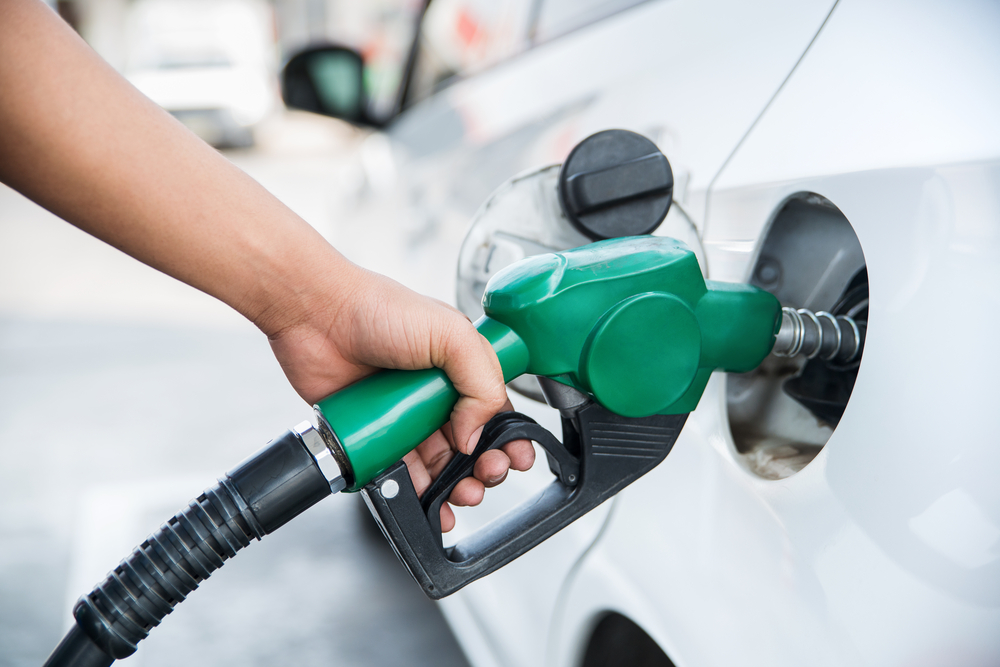
Choosing premium fuel at the gas station may feel like a smart decision for your vehicle’s performance, but it’s not always necessary for most cars. The price difference between regular and premium can add up, especially if you’re filling up frequently. While it’s marketed as offering superior engine benefits, many vehicles are designed to run efficiently on regular unleaded gas.
According to AAA, only a small percentage of vehicles require premium fuel, and using it in cars that don’t need it offers no significant advantages. Checking your vehicle’s manual can confirm the recommended fuel type, potentially saving you hundreds per year. Being informed about your vehicle’s needs allows you to make cost-effective choices without compromising performance. It’s about ensuring your car and budget run smoothly.
13. Convenience Store Purchases

Popping into a convenience store for a quick purchase is easy, but the markup on items compared to supermarkets is substantial. Frequent visits for essentials like milk, snacks, or toiletries can lead to significant overspending. It’s the convenience factor that drives these purchases, often without considering the long-term cost implications.
Planning your shopping trips and purchasing non-perishables in bulk can help reduce reliance on convenience stores. Utilizing price comparison apps can also ensure you’re getting the best value for your money. By being strategic about your shopping habits, you can enjoy the convenience without the premium price tag. It’s a simple shift that can lead to considerable savings over time.
This article is for informational purposes only and should not be construed as financial advice. Consult a financial professional before making investment or other financial decisions. The author and publisher make no warranties of any kind.