


Wealthy people are often assumed to finance everything because they “know how to use leverage.” But in practice, many affluent individuals are highly selective about what they borrow for—and what they simply pay for outright. The difference isn’t just about having money; it’s about understanding which assets grow and which quietly drain wealth.
1. Depreciating Luxury Cars

While financing cars is common across income levels, many wealthy buyers avoid financing vehicles that rapidly lose value. Luxury cars can drop 40–60% in value within a few years, making interest payments even more costly. Paying cash eliminates interest and prevents carrying debt on a declining asset.
Wealthy individuals who do finance often do so strategically for liquidity reasons, not because they need to. But as a rule, they avoid stretching payments over long terms for status vehicles. They recognize that financing a depreciating asset compounds loss.
2. Furniture and Home Decor

High-income households rarely finance sofas, dining tables, or décor through store payment plans. Promotional “zero percent” offers often disguise inflated pricing or deferred interest traps. Paying upfront avoids hidden costs and long-term cluttered debt statements.
They treat furniture as a lifestyle purchase, not an investment. If it cannot be purchased comfortably in cash, it often waits. Financing something that has no resale or appreciation value rarely fits into disciplined wealth habits.
3. Vacations

While middle-class families may use credit cards or travel loans for trips, wealthy households usually avoid financing leisure. If they travel, it’s funded by available cash flow. Interest payments for memories simply do not make financial sense.
Travel is considered a discretionary expense. Borrowing for it creates lingering costs long after the experience ends. Financially secure individuals prefer experiences that don’t follow them home as monthly obligations.
4. Clothing and Designer Fashion
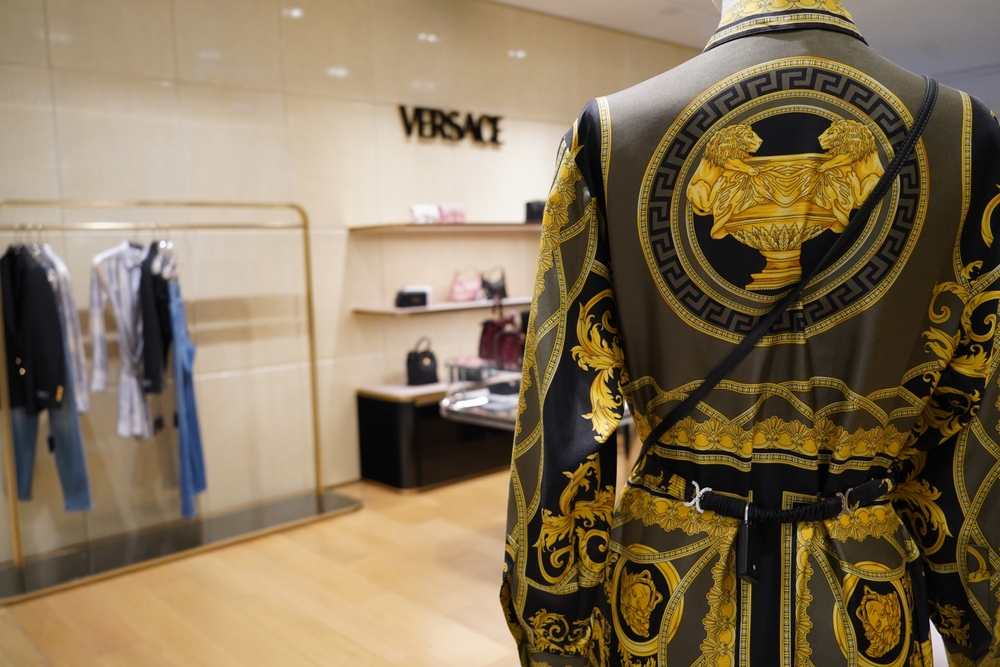
Even affluent consumers rarely finance wardrobes. Designer brands may symbolize status, but financing apparel is viewed as unnecessary. Clothing depreciates instantly and carries no income potential.
Wealthy individuals may spend significantly on quality garments, but purchases are typically paid outright. They understand that carrying debt for aesthetics weakens long-term flexibility. Style is rarely worth compounding interest.
5. Wedding Expenses

Despite extravagant headlines, many wealthy families avoid financing weddings. They either budget within cash reserves or scale the event accordingly. Starting married life with lingering debt contradicts long-term financial discipline.
Interest on wedding loans can double the emotional cost of a single day. High-net-worth households prioritize financial stability over spectacle. The event ends, but payments linger.
6. Consumer Electronics

Phones, televisions, and gadgets are often offered with easy monthly payments. Wealthy buyers typically skip installment plans for rapidly outdated technology. Devices lose relevance quickly and rarely justify interest or long commitments.
They prefer outright purchases or structured business deductions when applicable. Financing small electronics adds administrative friction without meaningful advantage. Simplicity often wins over marginal leverage.
7. Small Home Renovations
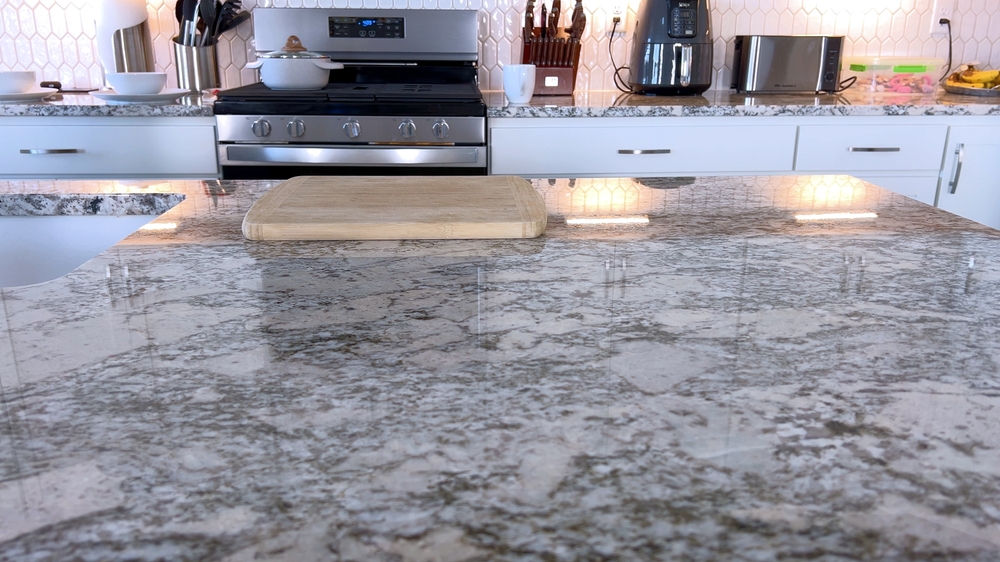
Minor upgrades like kitchen backsplashes or cosmetic remodels are often paid in cash by affluent homeowners. Financing smaller projects adds interest costs to improvements that may not significantly increase home value. They reserve borrowing for larger capital projects if necessary.
Wealthy homeowners differentiate between investment-grade improvements and lifestyle tweaks. If a project doesn’t meaningfully enhance equity or income potential, they avoid structured debt. Short-term financing for aesthetics rarely aligns with wealth-building priorities.
8. Jewelry

Although jewelry can be expensive, financing it is uncommon among financially disciplined individuals. Jewelry typically holds limited resale value compared to retail price. Paying interest on a non-income-producing luxury makes little financial sense.
Wealthy buyers who invest in jewelry often treat it as a collectible or heirloom asset, purchased outright. They avoid blending emotional purchases with structured debt. Interest charges dilute the sentiment.
9. Everyday Household Appliances

Appliance retailers promote installment plans for refrigerators, washers, and ovens. Affluent households typically replace essential appliances using cash reserves. These are necessary purchases, but not investments.
Financing routine household replacements introduces unnecessary long-term payments. Wealthy individuals often maintain emergency funds specifically to avoid borrowing for such items. Liquidity replaces installment plans.
10. Dining and Lifestyle Spending

Credit cards are used frequently by the wealthy, but rarely to carry balances for dining or entertainment. Monthly statements are generally paid in full to avoid interest accumulation. Borrowing for meals erodes wealth quietly.
The distinction is between using credit as a tool and using it as a crutch. Wealthy individuals leverage rewards programs but eliminate revolving debt. Interest on lifestyle consumption undermines financial compounding.
11. Timeshares
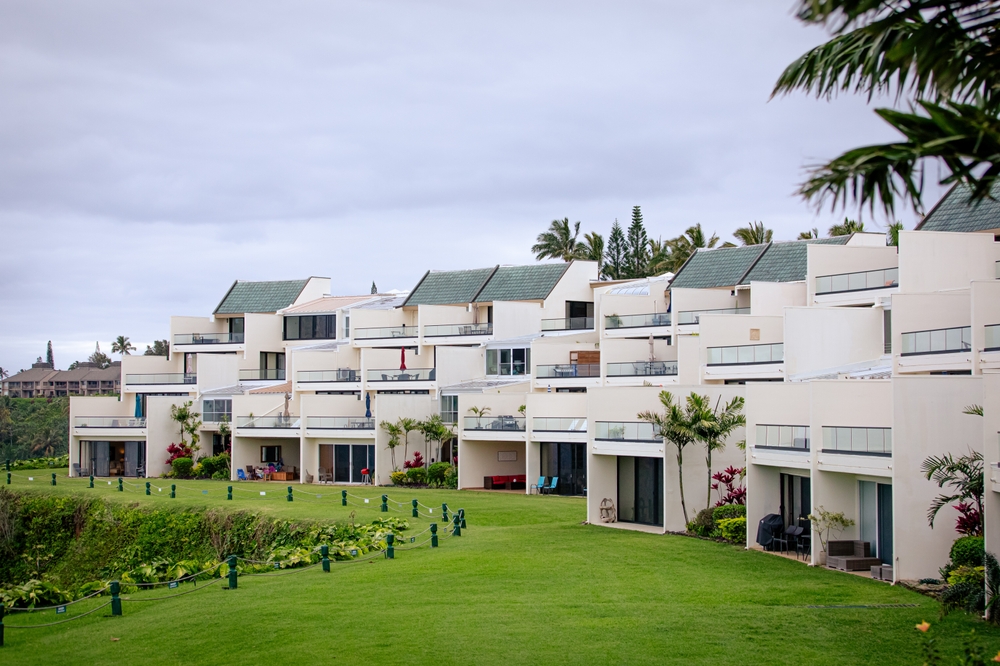
High-income earners rarely finance timeshares due to restrictive contracts and limited resale value. Timeshares often carry high interest rates and annual maintenance fees. The long-term obligation outweighs short-term vacation convenience.
Wealthy families typically prefer flexible travel options. Ownership that locks in recurring costs and resale difficulty is viewed skeptically. Financing a depreciating vacation asset compounds the risk.
12. Small Business Equipment Without Cash Flow

Entrepreneurs with capital often avoid financing equipment unless it directly generates income exceeding borrowing costs. If equipment does not materially improve revenue, debt is seen as unnecessary leverage. Cash purchases preserve control and flexibility.
Strategic borrowing is used when it accelerates return on investment. However, unnecessary loans for marginal tools are avoided. Debt is evaluated against measurable productivity gains.
13. Cosmetic Medical Procedures

Elective procedures frequently come with financing offers. Wealthy individuals generally avoid installment plans for nonessential treatments. If they choose such services, they pay upfront.
Financing personal aesthetics converts discretionary spending into structured debt. Financially disciplined individuals separate self-improvement from long-term obligations. If it cannot be comfortably afforded, it often waits.
14. Gym Membership Buyouts or Fitness Equipment

Home gym equipment financing surged in recent years. Wealthy households typically purchase fitness equipment outright if they choose to. Monthly installment plans for treadmills rarely align with disciplined cash flow management.
Borrowing for equipment that depreciates quickly adds unnecessary cost. High earners prioritize health but maintain balance in spending structure. Financing exercise equipment rarely qualifies as strategic leverage.
15. Minor Lifestyle Upgrades

Small luxuries—like upgraded airline seats, premium subscriptions, or decorative home upgrades—are rarely financed by wealthy individuals. These are treated as cash-flow decisions, not debt obligations. If the money isn’t available comfortably, the upgrade often doesn’t happen.
The underlying principle is simple: borrow for appreciating or income-generating assets, not for consumption. Wealth is often preserved by what isn’t financed as much as by what is. Selective restraint quietly protects long-term stability.
This article is for informational purposes only and should not be construed as financial advice. Consult a financial professional before making investment or other financial decisions. The author and publisher make no warranties of any kind.