


Food delivery apps sell the illusion of freshness, craft, and care. What arrives at your door looks restaurant-made, but the economics behind it tell a different story. Rising labor costs, app fees, and shrinking margins have reshaped how delivery food is made. What you’re often paying for isn’t cooking—it’s logistics.
1. Delivery Menus Are Often Separate From In-House Menus
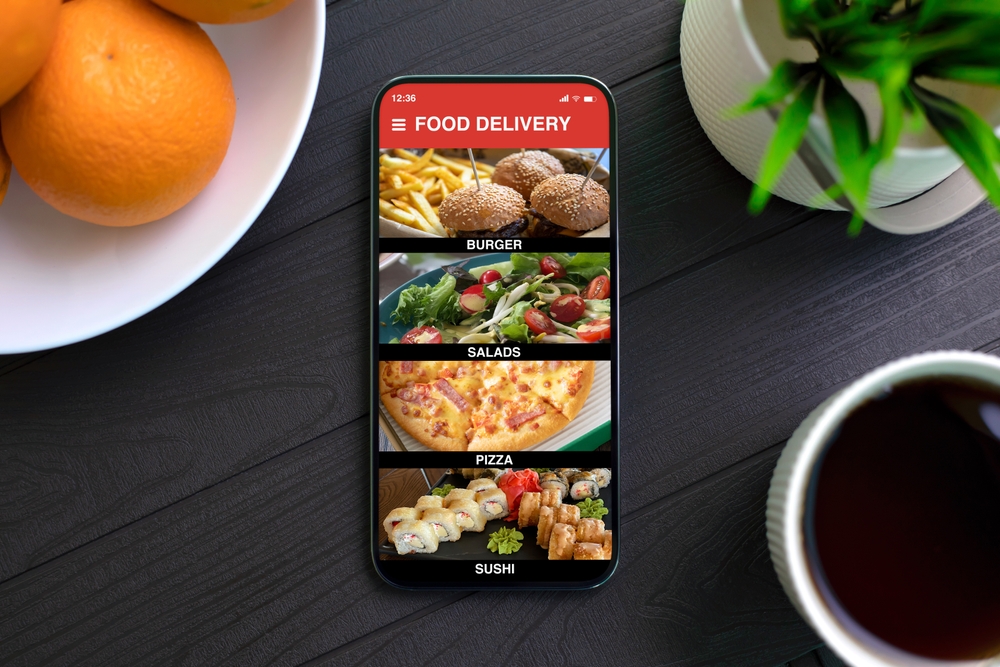
Many restaurants operate delivery-only menus that customers never see in person. These menus are designed for speed, consistency, and cost control, not quality. Items that don’t travel well or require last-minute prep are removed. What remains is optimized for reheating.
This separation allows kitchens to rely on pre-cooked components. Sauces, proteins, and sides are batch-prepared hours or days earlier. Assembly replaces cooking. The meal feels “made for you,” but it was really made for volume.
2. A Huge Percentage Of Delivery Food Comes From Ghost Kitchens
Ghost kitchens are facilities that exist only to fulfill delivery orders. According to reporting from The New York Times and Bloomberg, many delivery listings belong to brands operating out of shared industrial kitchens with no storefront. These kitchens are optimized for throughput, not artistry. The same space may produce dozens of different “restaurants.”
That setup rewards frozen and pre-portioned food. Consistency matters more than flavor. When multiple brands share the same fryer and freezer, shortcuts are inevitable. What you’re tasting is standardization.
3. Pre-Cooked Proteins Solve Too Many Problems For Kitchens
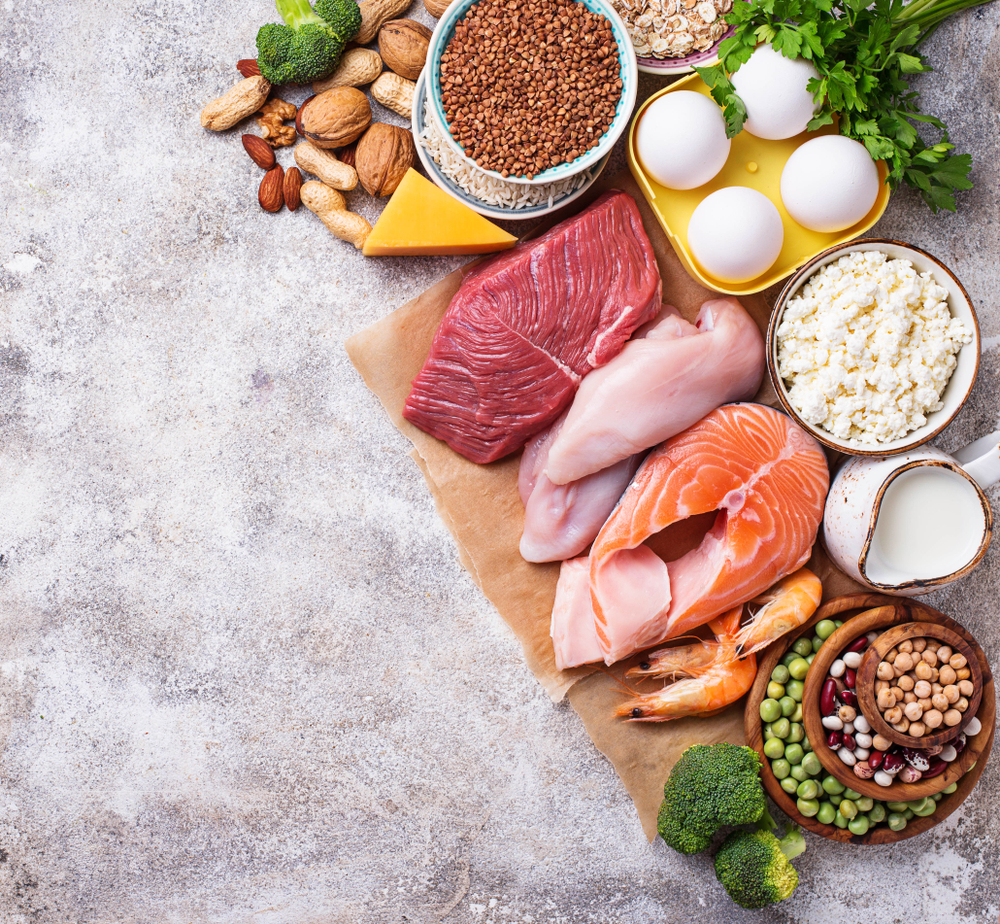
Cooking proteins fresh for delivery is risky. Timing errors ruin texture, and overcooking protects against complaints. To avoid both, many kitchens pre-cook meats and simply reheat them to order. This guarantees uniformity.
Pre-cooked chicken, beef, and seafood dominate delivery menus for a reason. They’re forgiving under heat lamps and microwaves. Flavor complexity is sacrificed for reliability. The result mimics frozen meals more than restaurant dining.
4. Sauces Are Designed To Hide Texture Loss
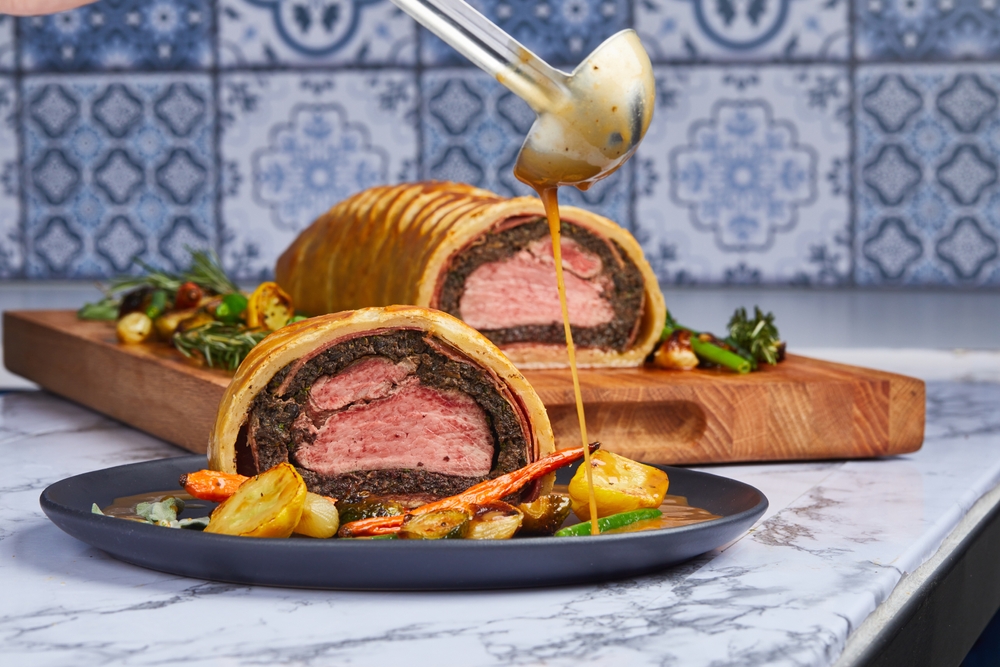
Delivery meals are often sauce-heavy by design. Sauces mask dryness, sogginess, and reheated textures. They also freeze and reheat well. This isn’t accidental—it’s structural.
Creams, gravies, and glazes stabilize food after reheating. They create the illusion of richness even when the base ingredients are tired. When everything tastes “fine but flat,” the sauce is doing most of the work.
5. Frozen Components Are Built Into The Supply Chain
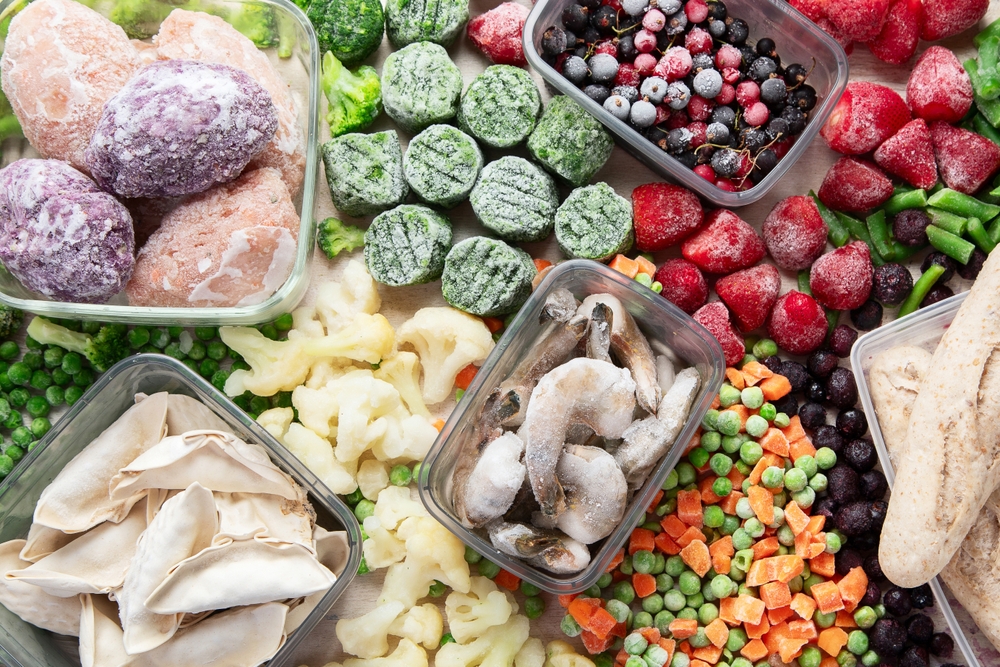
Most delivery-focused kitchens rely heavily on frozen ingredients. According to reporting from Restaurant Business and the National Restaurant Association, frozen foods reduce labor, spoilage, and prep time while stabilizing costs. For delivery, those benefits outweigh any loss of quality. Frozen becomes the default, not the exception.
Once food is designed to survive freezing, reheating becomes inevitable. Texture is already compromised before the order is placed. What arrives hot isn’t fresh, it’s revived. You’re paying restaurant prices for supply-chain efficiency.
6. The Economics Of Delivery Don’t Allow Fresh Cooking
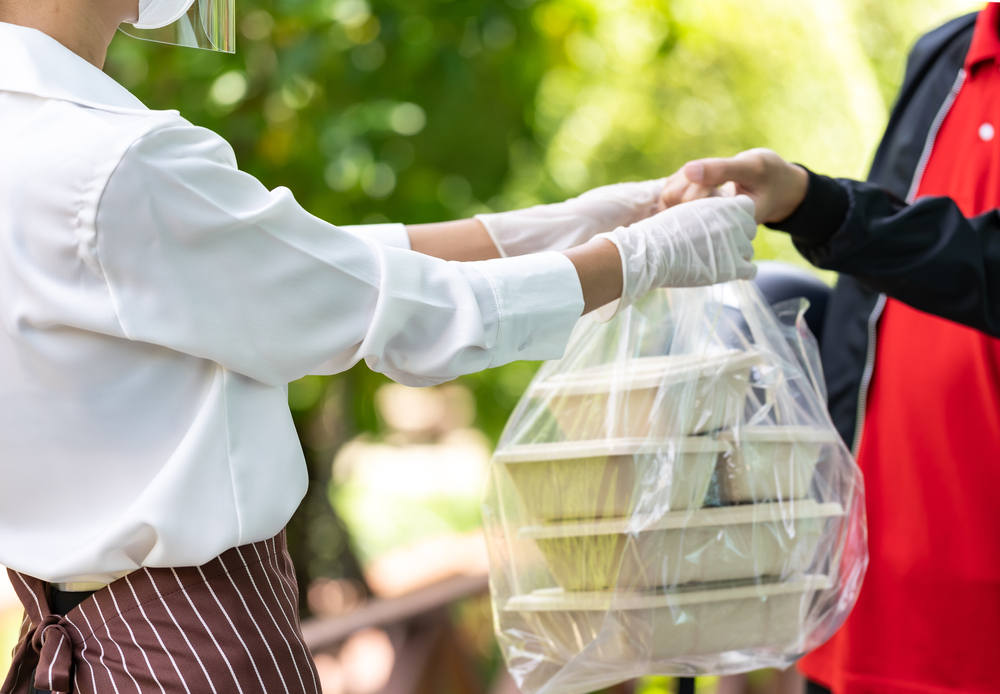
Delivery apps take commissions that can reach 20–30 percent per order. Bloomberg and CNBC have reported that many restaurants operate delivery at razor-thin margins or outright losses. To stay afloat, kitchens cut the most expensive variable: skilled labor and fresh prep. Shortcuts become mandatory.
Fresh cooking takes time, people, and attention. Delivery economics reward speed and predictability instead. Reheating pre-made food is the only way the math works. Quality becomes collateral damage.
7. Packaging Forces Food Into A Reheat-Friendly Form
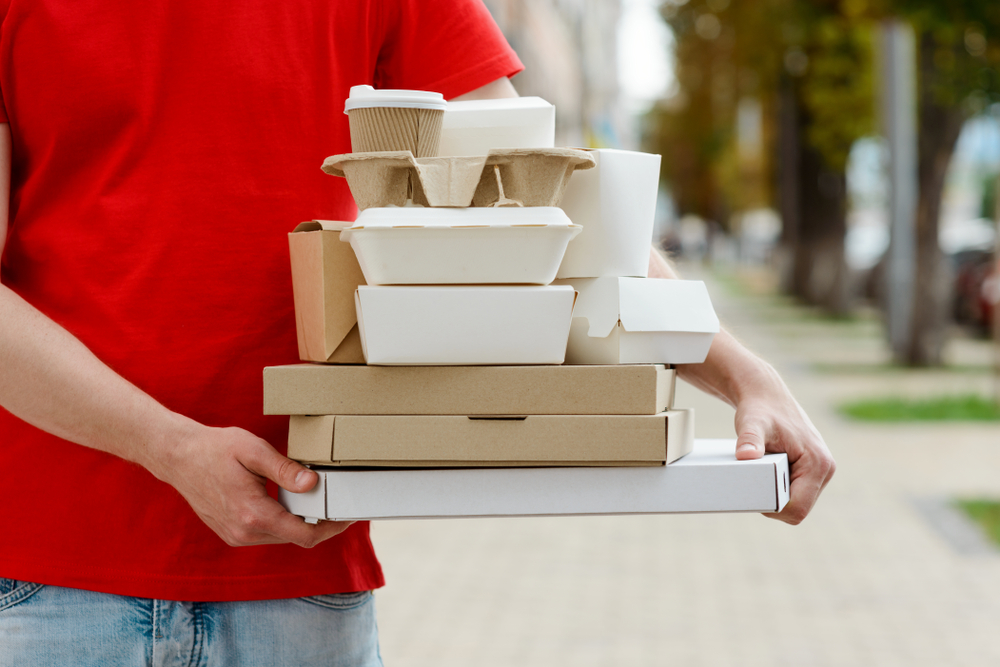
Delivery packaging traps steam and kills texture. Crispy food turns soft, delicate food collapses, and balance disappears. To compensate, kitchens design dishes that tolerate confinement. That usually means dense, saucy, or already-soft food.
Meals that survive packaging resemble frozen dinners structurally. They’re meant to be enclosed, stacked, and reheated. The container dictates the cuisine. Cooking adapts to cardboard, not plates.
8. Timing Windows Are Too Wide For Freshness
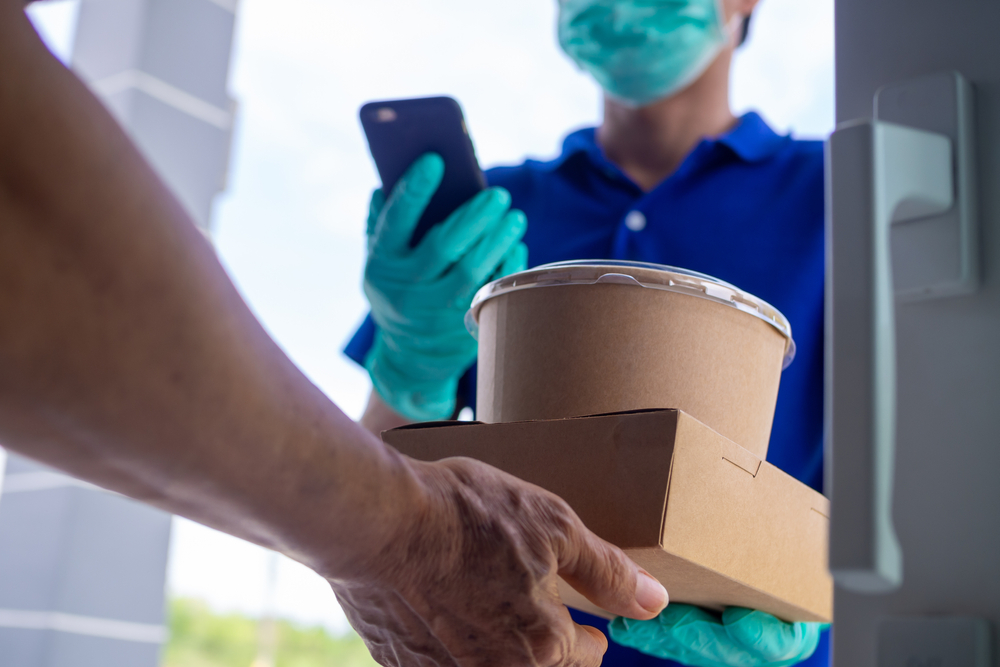
Your meal isn’t cooked when you tap “order.” It’s cooked when the kitchen can fit it in. That gap can stretch from minutes to nearly an hour. Food waits under heat lamps or in warming drawers before pickup.
By the time it reaches you, it’s already on its second heat cycle. Reheating at home becomes the third. Fresh food doesn’t survive that process. Frozen food was built for it.
9. Consistency Matters More Than Taste In Delivery Ratings
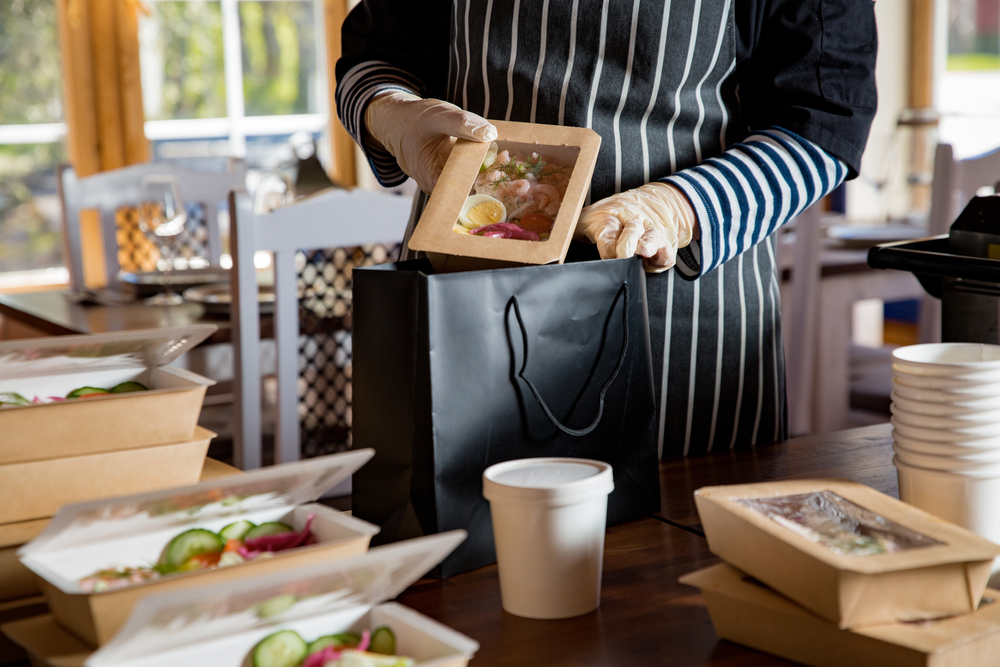
Delivery platforms reward predictability, not excellence. Customers punish surprises more than mediocrity. Kitchens respond by standardizing flavor and texture. Bold cooking becomes a liability.
Frozen and pre-made food delivers the same result every time. It avoids complaints. Five-star averages are easier to maintain with safe sameness. Taste loses to reliability.
10. Most Delivery Food Is Cooked To Survive Microwaves

Delivery food is engineered for reheating, not peak flavor. Dishes that fall apart under microwave heat are removed from menus. What remains is food that tolerates multiple heat cycles. That design choice matters.
Microwave-friendly food has specific traits. It’s dense, moist, and forgiving. Those are the same traits frozen meals are designed around. Fresh cooking rarely survives that test.
11. Labor Shortages Push Kitchens Toward Assembly Lines
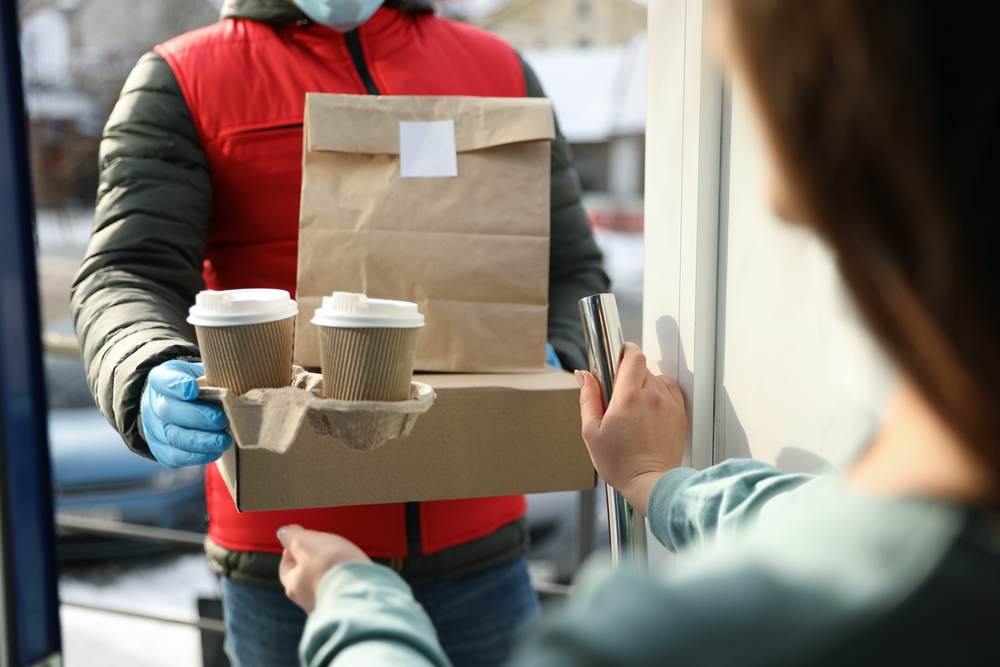
Many kitchens no longer have the staff to cook every order from scratch. Skilled line cooks are expensive and hard to retain. Delivery volume demands speed, not finesse. Assembly becomes the solution.
Pre-portioned components reduce training and mistakes. Anyone can reheat and plate. The meal becomes modular. That’s how frozen dinners are built, too.
12. Ingredients Are Chosen For Shelf Life, Not Flavor
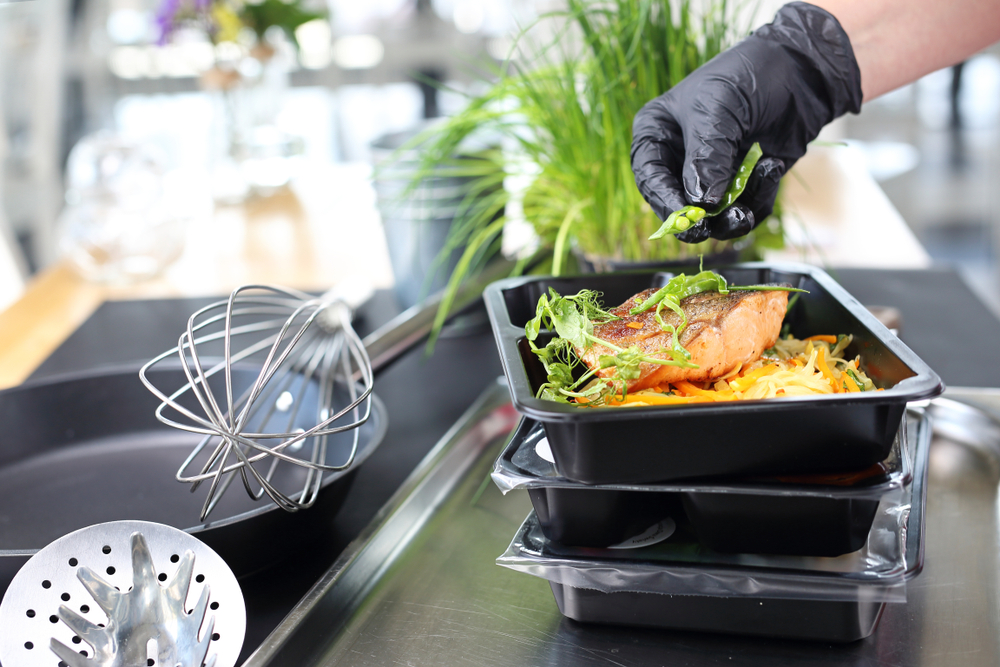
Delivery ingredients prioritize longevity. Sauces that last for days. Proteins that don’t dry out. Vegetables that won’t discolor. Flavor becomes secondary.
Fresh ingredients are volatile. They bruise, oxidize, and spoil. Delivery economics punish volatility. Frozen and stabilized foods win by default.
13. Price Inflation Masks Quality Decline
Your $30 bill makes the food feel premium. Price becomes a psychological shield. You assume quality because the cost is high. That assumption fills in gaps.
But delivery fees, service charges, and commissions inflate the total. The food itself often costs less to produce than dine-in versions. You’re paying more for less.
14. The End Result Is Designed To Feel “Good Enough”
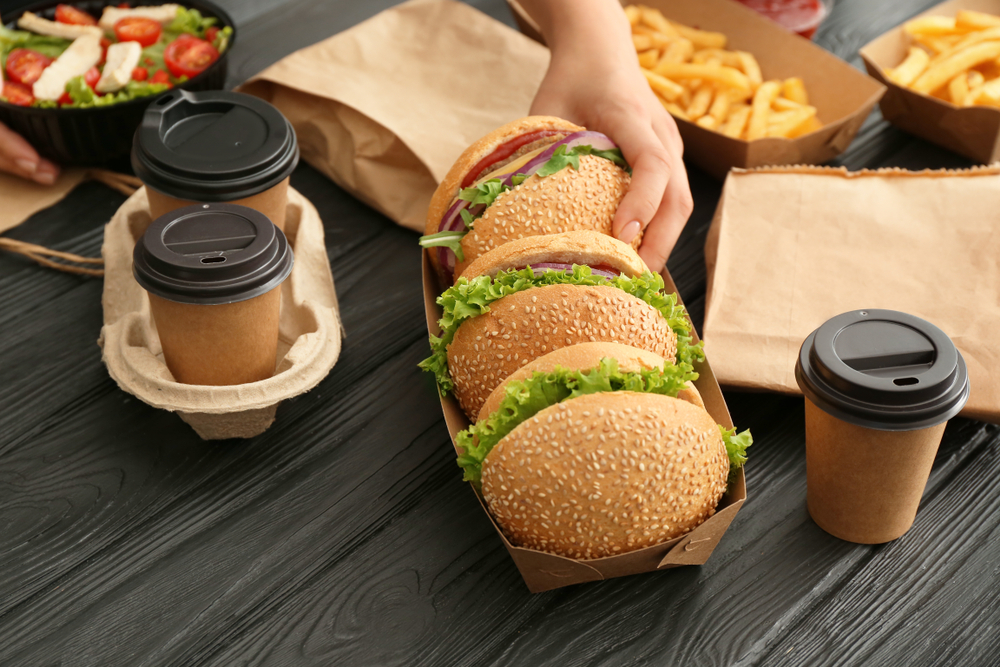
Delivery meals aren’t trying to impress you. They’re trying to avoid complaints. “Good enough” survives transit, timing, and reheating. Excellence does not.
Frozen dinners operate on the same principle. They aim for consistency over delight. When your meal tastes fine but forgettable, that’s the system working as intended.
This article is for informational purposes only and should not be construed as financial advice. Consult a financial professional before making investment or other financial decisions. The author and publisher make no warranties of any kind.