


Starting a money diary can feel daunting, but it’s one of the most effective ways to take control of your financial future. By tracking your income and expenses, you gain a clearer picture of your spending habits and identify opportunities to build wealth. But to truly make it work, you need strategies that go beyond simple record-keeping. Here are 13 intelligent tricks to transform your money diary into a powerful tool for wealth building.
1. Set Achievable Money Goals

Begin your money diary by setting specific, achievable financial goals. Whether it’s saving for a house, paying off debt, or building an emergency fund, having a clear target gives your diary purpose. Write down both short-term and long-term goals, and revisit them regularly to track your progress. This helps keep you motivated and aligned with your financial vision.
Research from the American Psychological Association suggests that goal-setting can significantly enhance performance and success rates. By breaking larger goals into smaller, manageable tasks, you make them more achievable. This approach also provides a sense of achievement as you reach each milestone, reinforcing positive financial behaviors. Remember, it’s the incremental progress that builds momentum.
2. Categorize Your Expenses

Identifying where your money goes is crucial, and categorizing your expenses provides clarity. Start with broad categories like housing, food, entertainment, and transportation. As you get comfortable, you can add more specific categories. This method not only helps in understanding spending patterns but also highlights areas where you might be overspending.
As you categorize, take note of any unexpected expenses that pop up frequently. These can indicate habits or needs you haven’t fully accounted for, allowing you to adjust your budget accordingly. Additionally, reviewing these categories monthly helps you spot trends and make necessary adjustments. By systematically organizing your finances, you gain a comprehensive view of your financial life.
3. Use Money Apps
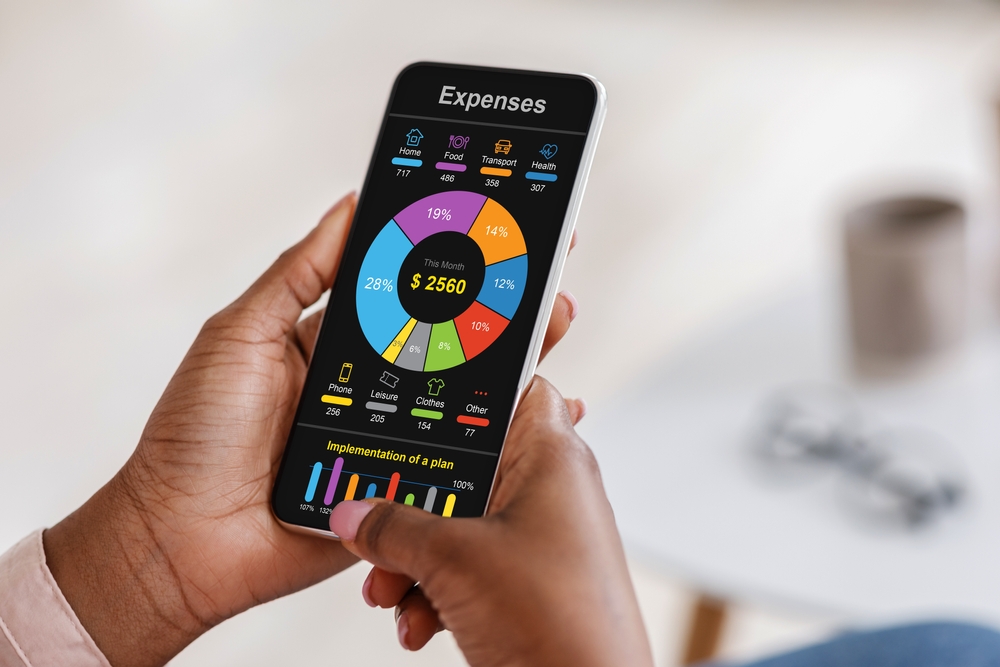
Incorporating technology into your money diary can enhance efficiency and accuracy. There are numerous apps available that can automate tracking and provide insightful analytics. These tools often sync with your bank accounts, categorizing your expenses in real-time and offering visual representations of your spending habits. This automation frees up time and reduces the likelihood of human error.
A study by the Consumer Financial Protection Bureau found that people who use financial technology are more likely to achieve their financial goals. The convenience of digital tools allows for consistent tracking without the hassle of manual entries. They also offer features like alerts for budget limits, helping you stay on track. However, it’s important to ensure that the technology you choose aligns well with your personal financial habits and preferences.
4. Review Your Diary Weekly

Regularly reviewing your money diary is essential for maintaining momentum and making informed decisions. Set aside time each week to go through your entries and assess your financial standing. This practice helps you stay accountable and adapt to any changes in your financial situation. It also reinforces positive habits and keeps your financial goals at the forefront of your mind.
During your check-ins, analyze the previous week’s spending and compare it against your set goals. Look for patterns or unexpected expenses and adjust your plan accordingly. These check-ins also provide an opportunity to celebrate small victories, such as sticking to your budget or increasing your savings. By consistently engaging with your finances, you cultivate a proactive approach to money management.
5. Elevate It With Visual Elements

Enhancing your money diary with visual elements can make the process more engaging and informative. Use charts, graphs, and color-coded sections to represent your financial data clearly. This visual representation helps you digest complex information quickly and makes trends easier to spot. Plus, it adds an element of creativity to what might otherwise feel like a mundane task.
Dr. Amanda Clayton, a behavioral economist, emphasizes the power of visual aids in improving financial literacy. Visual tools often demystify numbers, making them more approachable and less intimidating. By translating data into visuals, you can identify patterns and make informed decisions with greater confidence. It’s a simple yet effective way to elevate your money management skills.
6. Be Honest About Your Spending

Honesty is the cornerstone of any successful money diary. It might be tempting to gloss over certain expenses or round numbers to fit your ideal budget, but this undermines the diary’s purpose. Be truthful about your spending and acknowledge any financial slip-ups. Transparency allows you to confront reality and implement changes where necessary.
By being honest, you hold yourself accountable and foster a healthier relationship with money. It’s important to view this process without judgment, understanding that everyone makes financial mistakes. Use these moments as learning opportunities to improve future decisions. Remember, a money diary is a tool for growth, not a record of failure.
7. Celebrate Your Progress

Acknowledging your achievements, no matter how small, can significantly boost your motivation. Celebrating progress reinforces positive behavior and encourages you to stick with your financial plan. Whether it’s reaching a savings milestone or cutting back on unnecessary expenses, take a moment to appreciate your dedication. This recognition fuels further commitment to your financial goals.
A report by the Journal of Consumer Psychology highlights the impact of positive reinforcement on goal attainment. Celebrations create a sense of accomplishment, rewarding the hard work you’ve put into your financial journey. They don’t have to be extravagant—simple acknowledgments can be equally effective. By appreciating your progress, you maintain enthusiasm and focus on your long-term vision.
8. Involve Your Partner or Family

If you’re managing finances with a partner or family, involving them in the money diary process can promote transparency and cooperation. Share your financial goals and discuss each person’s role in achieving them. This collaboration ensures everyone is on the same page and committed to a shared financial future. Open communication about money fosters trust and reduces potential conflicts.
By working together, you can pool resources, share responsibilities, and celebrate achievements as a team. It also provides diverse perspectives on budgeting and financial decision-making. Regularly scheduled meetings to review the diary can strengthen your financial partnership. This collective approach not only enhances individual commitment but also strengthens familial bonds around shared goals.
9. Track All Contributions

Money diaries don’t have to be all about dollars and cents. Consider also tracking non-monetary contributions like time spent on tasks that save money, such as cooking at home or DIY projects. These efforts contribute to your financial well-being and deserve recognition. By quantifying these activities, you acknowledge their value and incorporate them into your overall financial strategy.
Documenting non-monetary contributions helps you appreciate the broader scope of wealth-building activities. It encourages a mindset that values resourcefulness and creativity in financial management. Over time, you may discover patterns that reveal unexpected areas of savings or efficiency. Recognizing these efforts ensures a comprehensive approach to your financial diary, reflecting both tangible and intangible wealth.
10. Adjust Your Goals As Needed

Your financial situation is dynamic, and your money diary should reflect that. Periodically review your goals, expenses, and strategies to ensure they’re in line with your current needs and future plans. Life changes like job shifts, family growth, or economic fluctuations may necessitate adjustments. Being flexible allows your diary to remain relevant and useful over time.
During these reviews, assess the effectiveness of your current strategies. Are you moving towards your goals, or have new priorities emerged? Adjust categories, goals, or tracking methods as needed to better suit your circumstances. A flexible diary is a responsive tool that adapts to change, ensuring your financial plan remains effective and aligned with your life.
11. Create An Ideas And Inspiration Section

Reserve a part of your money diary for jotting down financial ideas, inspirations, or advice you encounter. This section can include quotes from successful financial experts, innovative saving tips, or investment strategies you’d like to explore. Having a repository of inspiration keeps your financial journey fresh and engaging. It also provides a resource to turn to whenever you need motivation or new approaches.
As you gather insights, you develop a personalized financial guide that evolves with your experiences. Reviewing this section can spark new ideas or reignite your commitment to existing goals. It’s a simple way to maintain enthusiasm and curiosity about personal finance. By continuously learning and adapting, you enrich your understanding and approach to wealth building.
12. Express Gratitude For What You Have

Incorporating gratitude into your money diary might seem unrelated to finances, but it plays a crucial role in shaping your mindset. Regularly noting things you’re grateful for, especially non-material aspects, can shift your perspective from scarcity to abundance. This approach encourages contentment and reduces the temptation to equate happiness with spending. Gratitude fosters a healthy relationship with money, focused on appreciation rather than accumulation.
Research published in the Journal of Positive Psychology shows that gratitude can lead to improved financial decision-making by reducing impulsive spending. Acknowledging the positives in your life enhances overall well-being and satisfaction, which can translate into better financial health. By cultivating gratitude, you reinforce a mindful approach to both wealth and life. This mindset promotes long-term financial stability and personal fulfillment.
13. Share Your Financial Journey

Sharing your money diary journey with a community or support group can provide accountability and encouragement. Discussing your goals, challenges, and successes with others creates a network of support and inspiration. Engaging with a community allows you to learn from shared experiences and gain new perspectives on financial management. This exchange of ideas can lead to innovative solutions and renewed motivation.
Platforms like social media or personal finance forums offer spaces to connect with like-minded people. By sharing your journey, you contribute to a collective knowledge base while receiving feedback and advice. This communal aspect enriches your financial literacy and commitment to your goals. The support and camaraderie of a community can be a powerful catalyst in achieving financial success.
This article is for informational purposes only and should not be construed as financial advice. Consult a financial professional before making investment or other financial decisions. The author and publisher make no warranties of any kind.