


Managing your money might not sound like the most thrilling aspect of life, but it’s undeniably crucial for building a future you’ll be grateful for. Even if spreadsheets and budgets aren’t exactly your idea of a good time, adopting smart money habits can lead to more freedom and opportunities down the line. So, why not invest in yourself by making a few strategic changes today? Here are 13 money habits that’ll ensure your future self thanks you.
1. Set Up An Automatic Savings Transfer

One of the easiest ways to save regularly is to set up an automatic transfer from your checking account to your savings account. Treat your savings like a fixed expense, just like rent or groceries. This way, you’re saving without even thinking about it. It’s a simple strategy that reduces the temptation to spend and makes saving a no-brainer.
According to a study by the Financial Industry Regulatory Authority, people who automate their savings are more likely to reach their financial goals. The convenience and consistency of automatic savings help in developing a disciplined approach to money management. You don’t need to remember to transfer funds every month, which helps in avoiding procrastination. Your future self will appreciate the growing nest egg without the stress of manual budgeting.
2. Track Your Spending

Keeping tabs on where your money goes each month can be a game-changer for your finances. By tracking your spending, you can identify areas where you might be overspending and make necessary adjustments. Apps like Mint or YNAB (You Need A Budget) offer easy ways to categorize and monitor your expenses. With this knowledge, you can create a budget that aligns with your financial goals.
While it may sound tedious, tracking your spending can be surprisingly enlightening. You might discover that those small, frequent purchases add up to a significant amount over time. Awareness is the first step in curbing unnecessary expenses. Your future self will thank you for this clarity and control over your financial life.
3. Start An Emergency Fund

Life is unpredictable, and having an emergency fund can be a financial lifesaver. Aim to save three to six months’ worth of living expenses to cushion any unforeseen events like medical emergencies or job loss. This fund acts as a financial safety net, allowing you to handle surprises without derailing your long-term financial plans.
According to financial expert Suze Orman, an emergency fund is crucial for reducing financial stress and maintaining peace of mind. It’s not just about having money set aside; it’s about having the confidence that you can tackle life’s challenges. Starting small is okay; consistency is what ultimately builds this essential reserve. Your future self will be grateful for this layer of security.
4. Live Below Your Means

Living below your means is a cornerstone of financial stability and freedom. It involves spending less than you earn and prioritizing savings and investments over immediate gratification. By adopting this mindset, you can avoid falling into the trap of lifestyle inflation. It’s about making conscious choices and valuing long-term benefits over short-term pleasures.
This habit doesn’t mean you have to live like a monk; it’s about being smart and intentional with your spending. You might find joy in simple pleasures that don’t break the bank. The freedom to enjoy life without financial stress is truly priceless. Your future self will appreciate the financial flexibility that comes with this disciplined approach.
5. Increase Your Skills

Investing in your education and skills can yield significant financial returns over time. Whether it’s a formal degree, a professional certification, or self-taught skills, learning can open doors to better job opportunities and higher earnings. The key is to view education as an investment rather than an expense.
According to a report by the Brookings Institution, higher levels of education are consistently associated with higher income levels. By gaining new skills, you not only enhance your career prospects but also increase your earning potential. It’s an investment that pays dividends in the form of greater financial stability and mobility. Your future self will thank you for the foresight and effort in continuous learning.
6. Pay Off Debt Strategically

Debt can be a heavy burden, but tackling it strategically can lighten the load. Start by listing all your debts and prioritizing them based on interest rates and balance amounts. The avalanche method, which focuses on paying off high-interest debts first, can save you money in the long run. Alternatively, the snowball method, which starts with the smallest balances, can provide motivational wins.
Choosing the right strategy depends on what keeps you motivated. By consistently chipping away at your debt, you free up more of your income for other financial goals. It also improves your credit score, opening doors to better financial opportunities. Your future self will appreciate the freedom from financial shackles and the ability to pursue life’s possibilities.
7. Make A Few Smart Investments

Diversification is a key principle of investing that can protect your portfolio from market volatility. By spreading your investments across different asset classes — like stocks, bonds, and real estate — you minimize the risk of losing everything if one sector underperforms. Think of it as not putting all your eggs in one basket.
According to investment expert Warren Buffett, diversification can help manage risk and improve returns over time. A well-diversified portfolio is more resilient to market fluctuations and offers a smoother ride toward your financial goals. It requires some research and planning, but the effort is well worth it. Your future self will appreciate the stability and growth that comes with a well-balanced investment strategy.
8. Set and Regularly Review Your Financial Goals

Setting financial goals is just the beginning; regularly reviewing and adjusting them is crucial for long-term success. Life circumstances and priorities change, and your financial plans should reflect that. By assessing your progress and making necessary tweaks, you ensure that you’re always on track.
Schedule regular check-ins with yourself — perhaps quarterly or annually — to evaluate your financial health. This habit keeps you proactive rather than reactive, allowing you to seize opportunities and avoid pitfalls. It’s about staying engaged with your financial journey and adapting to life’s dynamics. Your future self will thank you for the foresight and adaptability.
9. Wait 24 Hours Before Buying Anything

Impulse buying might provide a temporary thrill but often leads to buyer’s remorse and financial strain. To combat this, establish a rule to wait 24 hours before making any unplanned purchase. This buffer period helps you evaluate whether the purchase aligns with your priorities.
Often, the initial urge subsides, and you find clarity about what truly matters. You’ll make more intentional decisions and reduce clutter in your life. It’s a simple rule that can transform your spending habits and boost your savings. Your future self will appreciate the mindful approach to consumption.
10. Plan for Retirement Early

The sooner you start saving for retirement, the more comfortable your retirement years are likely to be. Thanks to the power of compound interest, even small, regular contributions can grow significantly over time. The key is to start as early as possible, maximizing the growth potential of your investments.
Consider contributing to employer-sponsored retirement plans like a 401(k) or an IRA. These accounts offer tax advantages that can accelerate your savings. Retirement may seem distant, but your future self will be grateful for the financial security and peace of mind. It’s about investing in your future freedom and relaxation.
11. Maintain A Good Credit Score
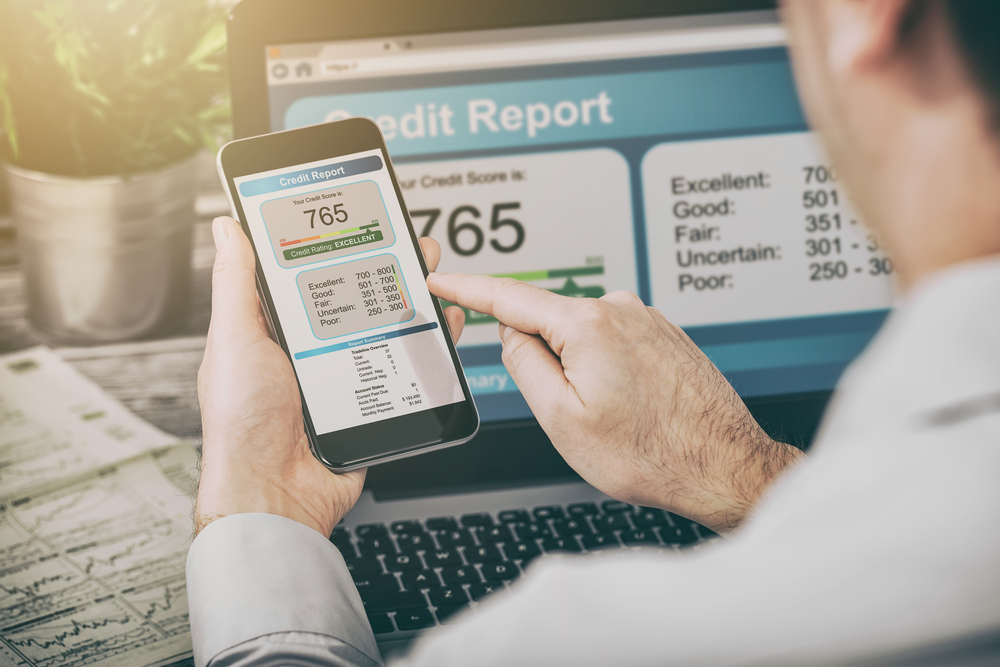
Good credit opens doors to better financial opportunities, like lower interest rates on loans and credit cards. To maintain a healthy credit score, pay your bills on time, keep credit card balances low, and avoid opening multiple accounts at once. Regularly check your credit report to ensure accuracy and address any errors promptly.
Building and maintaining good credit requires discipline and diligence. It’s about establishing a history of responsible financial behavior. Over time, this habit can save you money and offer more financial flexibility. Your future self will thank you for the numerous opportunities that come with a strong credit profile.
12. Stay Informed About Financial Trends

Staying informed about financial trends can help you make better financial decisions. Subscribe to reputable financial news sources or podcasts to keep up with changes in the economy, market conditions, and investment opportunities. This knowledge empowers you to adapt your financial strategies as needed.
Being informed doesn’t mean becoming an expert; it’s about having a general awareness that guides your decisions. It can help you spot opportunities, avoid pitfalls, and make informed choices about your financial future. Your future self will appreciate the proactive approach to managing your finances. It’s about being prepared for whatever comes your way.
13. Cultivate a Generous Mindset

While managing your finances is crucial, cultivating a generous mindset also adds value to your life. Giving to causes you care about can create a sense of fulfillment and purpose. It’s about finding a balance between saving for your future and contributing to the world around you.
Generosity doesn’t have to be extravagant; even small acts of kindness can make a big impact. By budgeting for giving, you integrate it into your financial habits, ensuring that it’s a sustainable part of your life. Your future self will thank you for the joy and satisfaction that come from helping others. It’s about living a life that’s not only financially sound but also rich in meaning.
This article is for informational purposes only and should not be construed as financial advice. Consult a financial professional before making investment or other financial decisions. The author and publisher make no warranties of any kind.